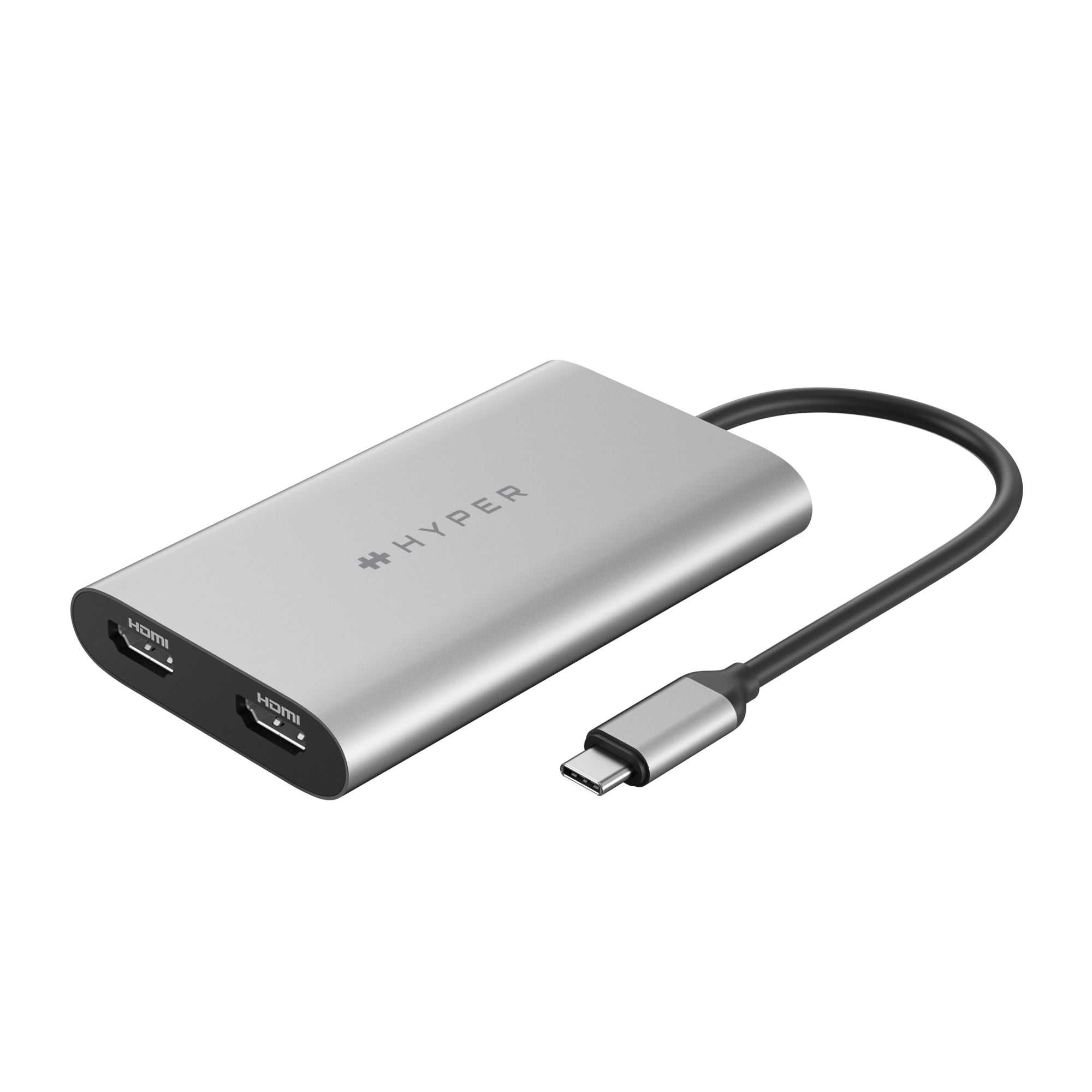
To easily update your 4K monitor drivers, go to your graphics card manufacturer’s website, download the latest driver, and install it following the prompts. Alternatively, you can use your device’s device manager to search for updates automatically. Keeping your drivers current ensures your display runs smoothly at 4K resolution with optimal performance.
Updating drivers for a 4K monitor might seem daunting, but it’s straightforward once you know the steps. Outdated or incorrect drivers can cause issues like screen flickering, poor resolution, or display errors. To get your 4K display working flawlessly, you need to identify your graphics card, visit the manufacturer’s site—like NVIDIA, AMD, or Intel—and either manually download the latest drivers or update via device manager. Regularly updating your drivers not only improves display quality but also adds compatibility for new features and fixes bugs, ensuring you get the most out of your high-resolution display.

How to Update Drivers for a 4K Monitor
Updating drivers for your 4K monitor is essential to ensure you get the best picture quality and smooth performance. Properly updated drivers help fix bugs, improve compatibility, and unlock new features that enhance your viewing experience. This guide will walk you through each step to update your monitor drivers effectively.
Understanding Why Driver Updates Matter for 4K Monitors
Drivers act as the communication bridge between your monitor and computer. When drivers are outdated or incorrect, you may face issues such as screen flickering, resolution problems, or low refresh rates. Keeping drivers current guarantees your 4K display looks crisp, colorful, and functions properly.
Identifying Your 4K Monitor Model and Manufacturer
Before updating, know the exact model of your 4K monitor. Check the label on the back of the monitor or look in your computer’s device settings. The manufacturer’s website often provides detailed support pages specific to your monitor model, making driver updates easier.
Checking Your Current Display Driver Version
Knowing your current driver version helps determine if an update is needed. On Windows, right-click the Start button, select “Device Manager,” and expand the “Display Adapters” section. Right-click your graphics card and choose “Properties.” Under the “Driver” tab, you’ll find information about your current driver version and date.
Deciding Between Manufacturer Drivers and Windows Updates
You can update drivers through Windows Update or directly from your graphics card manufacturer. Manufacturer drivers often include optimizations and bug fixes specific for 4K displays. Browsing your monitor or graphics card manufacturer’s site ensures you get the latest and most compatible drivers.
Updating Drivers via Windows Update
Windows Update can automatically install driver updates, but sometimes they lag behind. To check for updates manually, go to Settings, select “Update & Security,” then “Windows Update.” Click “Check for updates” and install any available graphics or display driver updates. This method is quick but may not always provide the latest drivers.
Pros of Using Windows Update
- Easy to access and use
- Automatic driver management
- Sufficient for basic display needs
Cons of Using Windows Update
- Drivers may be outdated compared to manufacturer releases
- Less control over specific driver versions
Downloading Drivers from the Graphics Card Manufacturer
For optimal performance, download drivers directly from your graphics card’s manufacturer, such as NVIDIA, AMD, or Intel. Visit their official website, locate their driver support page, and input your graphics card details or monitor model.
How to Find the Correct Driver
- Select your graphics card model and operating system
- Download the latest available driver suited for 4K resolution support
- Save the file to your computer for installation
Installing Drivers on Windows
Once downloaded, run the installation file and follow the on-screen instructions. If prompted, choose a clean install option to replace existing drivers completely. Restart your computer after installation completes to ensure changes take effect.
Using Device Manager for Driver Installation
Alternatively, update drivers manually through Device Manager. Right-click your display adapter, select “Update Driver,” then choose “Browse my computer for drivers.” Locate the driver files you downloaded and follow the steps to complete the installation.
Updating Drivers on Mac Systems
Mac users usually receive driver updates through macOS updates. Check for the latest system updates by opening System Preferences, clicking Software Update, and installing any available updates. For specific monitor drivers, visit the monitor manufacturer’s support page for compatible software if needed.
Verifying and Testing Your 4K Monitor After Updates
After updating, verify that your monitor displays correct resolution and color quality. Right-click on the desktop, select “Display Settings,” and confirm higher resolution is enabled. Test the display by viewing 4K videos or images to ensure sharpness and color accuracy.
Common Issues During Driver Updates and How to Troubleshoot
Sometimes, driver updates may cause problems like display flickering or black screens. In such cases, roll back to the previous driver version through Device Manager. Use System Restore if necessary to revert your system to a functional state before the update.
Additional Tips for Optimal 4K Display Performance
- Ensure your graphics card supports 4K resolution at desired refresh rates
- Use high-quality HDMI or DisplayPort cables to handle 4K data transfer
- Adjust monitor settings for color calibration and clarity
- Keep your graphics drivers and system software updated regularly
Understanding Different Connection Types for 4K Monitors
The type of cable and port plays a significant role in achieving optimal 4K performance. HDMI 2.0 or higher, DisplayPort 1.4, and Thunderbolt 3 are recommended for smooth 4K resolution at high refresh rates. Using outdated cables may limit your display capabilities.
Checking Graphics Card Compatibility for 4K Resolution
Not all graphics cards support 4K displays at high refresh rates. Confirm your GPU supports 4K output at 60Hz or more for the best experience. This information is available on the manufacturer’s website or in your GPU documentation.
Using Third-Party Software for Driver Management
Some users prefer third-party tools like Driver Booster or Snappy Driver Installer to manage drivers. These programs can scan your system and identify outdated drivers, offering quick updates. Be cautious to only download from reputable sources to avoid security risks.
Keeping Your Drivers Updated Regularly
Set a reminder to check for driver updates periodically, especially after system upgrades or new software installations. Regular updates help avoid compatibility issues and ensure your 4K monitor performs at its best.
Summary of Key Steps to Update Drivers for 4K Monitors
- Identify your monitor and graphics card models
- Check current driver versions and update sources
- Download latest drivers from official sites or use Windows Update
- Install drivers properly, preferably with a clean install
- Verify display resolution and test video quality after updates
Ensuring your 4K monitor has the latest drivers is straightforward when you follow these steps. Staying updated not only improves image quality but also helps prevent technical issues and provides a smoother viewing experience. Regular maintenance and careful selection of drivers make your 4K setup always ready for your favorite high-resolution tasks.
How to reset your graphics driver in under 5 seconds | #shorts #graphics #graphicsdriver #reset
Frequently Asked Questions
What steps should I follow to verify if my monitor drivers are outdated?
First, open the Device Manager on your computer. Locate the “Display adapters” section and right-click on your graphics card. Select “Properties” and navigate to the “Driver” tab. Check the driver version and date, then compare it with the latest version available on the manufacturer’s website. If your driver is older, consider updating it to ensure optimal performance for your 4K monitor.
How can I manually update my graphics card drivers for a 4K display?
Visit the official website of your graphics card manufacturer, such as NVIDIA, AMD, or Intel. Download the latest driver compatible with your graphics card model and operating system. Run the installer and follow on-screen instructions to complete the update. After installation, restart your computer to apply the changes and ensure your 4K monitor functions smoothly.
Are there tools that simplify the process of updating monitor drivers?
Yes, several driver update utilities like Driver Booster, Intel Driver & Support Assistant, or AMD Radeon Software can scan your system and recommend the latest drivers for your hardware. These tools detect outdated drivers and facilitate quick updates, helping you keep your 4K monitor’s drivers current without manually searching for updates.
Can Windows Update help in updating my 4K monitor drivers?
Windows Update occasionally provides driver updates for your hardware components. To check for updates, go to Settings > Update & Security > Windows Update, and click “Check for updates.” If new driver versions are available, Windows will download and install them automatically, which can improve compatibility and performance for your 4K monitor.
What precautions should I take before updating my monitor drivers?
Before starting the update, create a system restore point to revert to a previous state if needed. Download drivers only from official sources to avoid security risks. Make sure your device is connected to a stable power supply and avoid interrupting the update process. These steps help prevent potential issues during driver installation and ensure a smooth update experience.
Final Thoughts
To update drivers for a 4k monitor, start by visiting your graphics card manufacturer’s website. Download the latest drivers compatible with your device and operating system. Use the device manager on your computer to install the new drivers smoothly. Regular updates ensure optimal display quality and performance, making your 4k experience seamless.

I follow the latest trends in smart devices, portable monitors, and gaming accessories. My goal is to provide real-world insights that help readers make smarter tech decisions.