


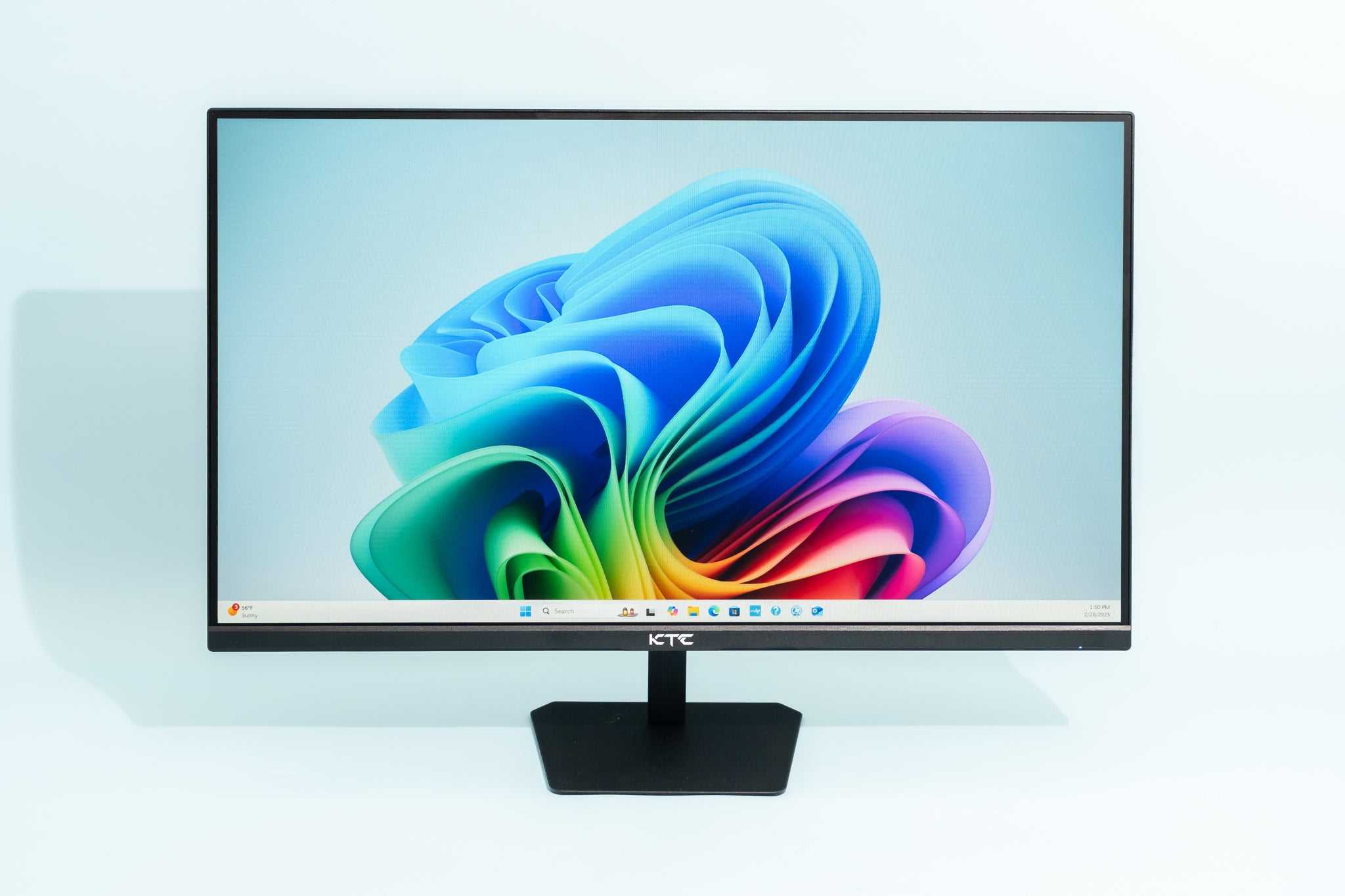
Budget monitors are cheaper primarily because they use lower-cost components and simpler features, making them more affordable for everyday users. They focus on providing basic functionality without the bells and whistles of high-end models, which helps keep prices down. By sacrificing advanced features, premium display technology, and extensive customization options, manufacturers can produce monitors that appeal to budget-conscious consumers.
Budget monitors are cheaper mainly because they employ fewer advanced features, use less costly materials, and simplify design and technology. Consumers get a decent display for basic tasks without paying for extras seen in premium models. This makes them an excellent choice for students, casual users, or those upgrading on a budget. In this article, we’ll explore what factors contribute to their lower prices and whether they deliver good value for everyday use.

Why Are Budget Monitors Cheaper?
Introduction to Budget Monitors
Budget monitors are affordable screens designed for everyday use. They are popular among students and casual users because of their lower price tags. But why are these monitors priced lower than premium models? The answer lies in their design, technology, and manufacturing processes.
Differences in Screen Quality and Resolution
One big reason budget monitors cost less is the quality of their screens. Many inexpensive models use basic panels like TN (Twisted Nematic) instead of IPS (In-Plane Switching). TN panels are cheaper to produce but offer limited color accuracy and viewing angles.
Resolution also plays a role. Budget monitors often come with Full HD (1080p) displays instead of higher resolutions like 2K or 4K. This lower resolution reduces costs and still meets most users’ standard needs.
Materials Used in Manufacturing
The materials used in cheaper monitors are often less costly. They might have thinner bezels, simpler stands, and plastic casings instead of metal or premium materials. These choices reduce production costs and make the monitors more affordable.
Simpler Internal Components and Technology
Budget monitors use basic internal components. For example, their power supplies and circuit boards are less advanced. They lack features like high dynamic range (HDR), high refresh rates, or built-in speakers, which adds to their lower price.
Limited Features and Functionalities
Most inexpensive monitors focus on essential functions only. They may not include adjustable stands, VESA mounts, or USB hubs. The absence of these extra features keeps production costs low and prices affordable for consumers.
Mass Production and Economies of Scale
Manufacturers produce budget monitors in high quantities. Large-scale production reduces costs per unit, allowing companies to sell at lower prices. This economy of scale benefits consumers looking for affordable options.
Branding and Marketing Strategies
Many budget monitor brands use minimal advertising and promotion. They often rely on online marketplaces and bulk sales. This approach reduces marketing costs, which helps keep prices low for buyers.
Supply Chain and Manufacturing Locations
Producing monitors in countries with lower labor costs, like China or Vietnam, also helps decrease overall expenses. These savings are passed on to consumers, making budget monitors even more affordable.
Design Limitations and Reduced Durability
Cheaper monitors might not last as long as premium models. They sometimes use lower-quality components prone to wear and tear. This trade-off allows manufacturers to offer lower prices but may lead to shorter lifespan.
Trade-Offs in Color Accuracy and Refresh Rates
Budget monitors often compromise on display features such as color accuracy, contrast ratios, and refresh rates. Gamers and graphic designers might need higher-end models, but average users find these compromises acceptable.
Technological Advances and Cost Reduction
As display technology advances, more efficient manufacturing processes lower costs across the industry. Manufacturers integrate these cost-saving techniques into budget models, making them more accessible.
Compatibility and Connectivity
Most budget monitors support basic connections like HDMI and VGA. They do not include advanced ports or features, which helps reduce costs. These displays meet the needs of most users without extra expenses.
In summary, budget monitors are cheaper because they use simpler components, materials, and technology. Their design choices prioritize affordability over premium features. Mass production, lower manufacturing costs, and minimal branding efforts also play key roles. While they may lack some advanced features, budget monitors are perfect for basic use, offering good value for their price. Understanding these factors can help you decide if a low-cost monitor suits your needs or if investing in a higher-end model is better for your specific requirements.
The best budget monitor #gaming #setupinspo #budget #monitor #zakeary
Frequently Asked Questions
What manufacturing differences contribute to lower costs in budget monitors?
Manufacturers often reduce costs by using simpler components, minimizing the use of advanced technology, and opting for basic display panels. These choices keep production expenses down but may limit the monitor’s overall performance and features.
How do cost-effective materials affect the price of budget monitors?
Budget monitors typically employ less expensive materials, such as standard plastics instead of premium finishes. This choice significantly decreases manufacturing costs, allowing the final product to be sold at a lower price point.
In what ways do limited features influence the affordability of budget monitors?
Fewer features mean less complex circuitry and manufacturing processes, which cuts down production expenses and, consequently, the retail price. Manufacturers produce budget monitors in large quantities, benefiting from economies of scale. This high-volume production decreases per-unit costs, enabling them to sell the monitors at lower prices. Design simplification helps reduce assembly time and manufacturing complexity. By focusing on essential components and avoiding intricate designs, companies lower production costs and pass those savings to consumers. Budgets monitors are cheaper primarily because they use simpler components and fewer advanced features. Manufacturers cut costs by reducing resolution, refresh rates, and color accuracy. They also invest less in premium design elements and extensive testing. Additionally, budget monitors are produced in larger quantities, benefiting from economies of scale. This mass production lowers manufacturing costs, allowing for a more affordable retail price. Why are budget monitors cheaper? Because they focus on basic functionality and simpler manufacturing, the overall cost remains low, making them accessible to more users.How does the scale of production impact the pricing of budget monitors?
Why do manufacturers opt for simplified design in budget monitors?
Final Thoughts



