


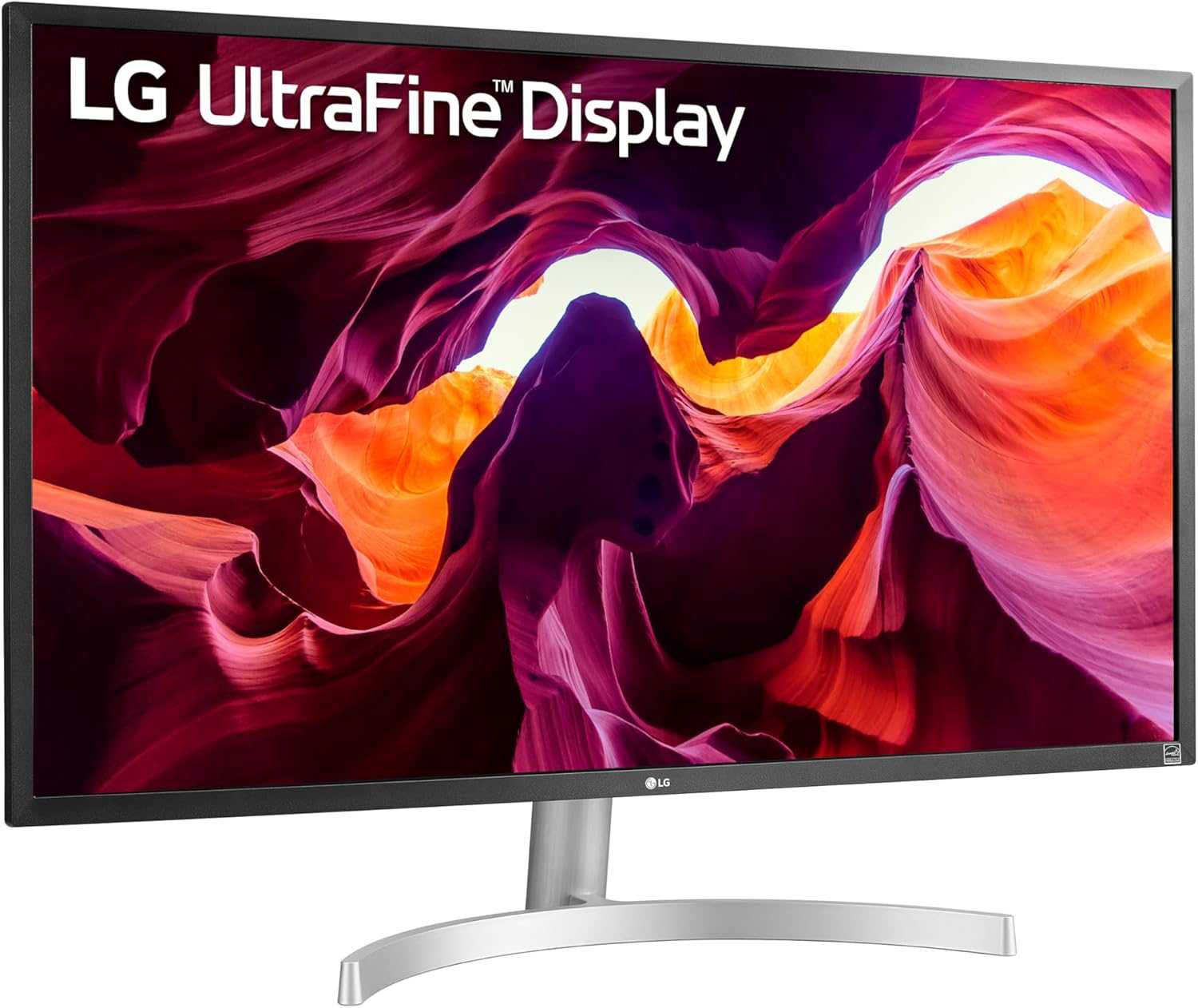
A HDR10+ monitor can feel like overkill for photo editing—but it depends on your goals. If you’re a casual shooter or just starting out, a high-dynamic-range display might be more than you need. However, for professionals or serious enthusiasts aiming for maximum color accuracy and detail, investing in such a monitor can significantly enhance editing precision. The key is understanding whether your workflow truly benefits from the advanced features of HDR10+ or if a more standard display will suffice.
In short, HDR10+ monitors are generally overkill for casual editing but worth considering if you’re working in demanding, color-critical environments. For most hobbyists, a good standard monitor will do, but professionals will find the extra capabilities of HDR10+ valuable for achieving the highest quality results.
Jumping into the world of HDR10+ monitors for photo editing can be tempting thanks to their stunning visuals, but is it worth the investment? The decision depends heavily on your editing needs and budget. HDR10+ offers superior contrast, richer colors, and more detailed images, making it appealing for high-end work. However, for many users, especially those not working on highly color-sensitive projects, these features might be more than necessary. Understanding your specific workflow and how much color accuracy matters will help determine if an HDR10+ monitor is overkill or a worthy upgrade.

Is HDR10 Plus Monitor Overkill for Photo Editing?
Understanding HDR10 Plus and Its Features
HDR10 Plus is a technology that improves the way screens display colors and contrasts. It offers a wider color gamut and better brightness levels than standard monitors. This makes images look more vibrant and realistic in certain scenarios.
However, these features are primarily designed for videos and gaming, not necessarily for photo editing.
How HDR10 Plus Differs from Other HDR Standards
HDR standards like HDR10 and Dolby Vision set different brightness and color requirements. HDR10 Plus builds on HDR10 by providing dynamic metadata, which adjusts brightness and color scene by scene.
While this enhances visual experience in videos, it adds complexity that may not benefit photo editing significantly.
Photo Editing Needs: What Should You Prioritize?
Photo editing requires accurate color reproduction and fine detail. Monitors for this task should have high color accuracy, good resolution, and consistent calibration.
Features like high contrast ratios and vibrant HDR support are nice but often secondary.
Thus, understanding your actual needs helps determine if HDR10 Plus is necessary.
Is HDR10 Plus Overkill for Basic Photo Editing?
For most amateur and semi-professional photographers, HDR10 Plus might be unnecessary.
Standard 8-bit or 10-bit monitors with excellent color accuracy can deliver the quality needed for editing.
Adding HDR10 Plus may not improve editing quality and could increase costs unnecessarily.
Professional Photo Editing and the Role of HDR
Professionals rely on monitors that meet strict standards like Delta E below 2 for color accuracy.
While HDR can enhance viewing experience, it’s not essential for the editing process itself.
Instead, calibration tools and proper color profiles are more important than HDR capabilities.
Does HDR10 Plus Benefit Photographers at All?
Some photographers might find HDR10 Plus useful for previewing images in high dynamic range.
However, during editing, true color fidelity takes precedence over HDR effects.
If you plan to create HDR images, a monitor supporting HDR10 Plus can be helpful, but it’s not a must-have.
Cost Considerations: Are HDR10 Plus Monitors More Expensive?
HDR10 Plus monitors tend to be priced higher than standard monitors aimed at photo editing.
This price difference reflects advanced features that many users may not need.
Investing in a quality color-accurate monitor without HDR10 Plus often offers better value.
Compatibility With Editing Software
Most popular photo editing software works perfectly with standard monitors.
HDR10 Plus support doesn’t directly impact software performance but affects how images look in real-time previews.
Ensure your editing tools and workflows are compatible with HDR if considering an HDR-capable monitor.
The Impact of Display Calibration
Proper calibration is vital regardless of HDR support.
A well-calibrated monitor ensures consistent color accuracy, which is crucial for editing.
HDR support doesn’t replace the need for regular calibration and color management.
Long-Term Considerations for Photo Editors
Choosing a monitor involves considering future needs.
HDR10 Plus might be advantageous for multimedia consumption but not necessarily for editing.
Focus on resolution, color accuracy, and calibration options to ensure your investment serves your needs.
Summary: Is HDR10 Plus Overkill for Photo Editing?
For most photo editing tasks, HDR10 Plus is not essential and could be considered overkill.
Prioritizing accurate colors, resolution, and calibration will yield better editing results.
While HDR10 Plus monitors can offer impressive visuals for entertainment, they may not provide tangible benefits for image editing workflows.
Related Topics to Consider
- Best monitors for photo editing in 2023
- Color accuracy tips for photographers
- Understanding color spaces and profiles
- How to calibrate your monitor properly
- HDR and SDR: What’s the difference for photographers?
In conclusion, investing in a monitor with HDR10 Plus capabilities is generally unnecessary for photo editing. Focusing on a monitor with excellent color accuracy, high resolution, and proper calibration options provides more practical benefits. Consider your specific workflow and needs before opting for advanced HDR features that may not significantly enhance your editing experience.
Unboxing the Sony 42" OLED Gaming 'Monitor'
Frequently Asked Questions
Does HDR10 Plus support offer noticeable benefits for photo editing beyond basic needs?
HDR10 Plus provides enhanced dynamic range and color accuracy, which can be beneficial for detailed photo editing tasks. However, for most editors working on standard images and color grading, the differences may not justify the investment. The benefits are more pronounced when editing high-dynamic-range images or creating content that requires precise color representation.
How does an HDR10 Plus monitor compare to standard monitors for color accuracy?
HDR10 Plus monitors typically deliver a wider color gamut and better contrast ratios compared to standard displays. This results in more vivid and true-to-life images, which can aid in making precise edits. Nonetheless, it’s essential to ensure the monitor also has high color accuracy, good calibration options, and supports professional color spaces such as Adobe RGB or DCI-P3 to be truly effective for photo editing.
Is the higher cost of HDR10 Plus monitors justified for amateur photographers?
For casual or amateur photographers, investing in an HDR10 Plus monitor might not be necessary. These monitors are designed with professional workflows in mind, and the additional features may not significantly improve the editing experience at a basic level. Budget-friendly monitors that cover essential color spaces and offer good calibration options can often meet the needs of hobbyists without the extra expense.
Can HDR10 Plus technology slow down or complicate the photo editing process?
While HDR10 Plus technology adds advanced display features, it generally does not hinder the editing workflow. However, working on high-dynamic-range content may require more powerful hardware and software support. Additionally, proper calibration is crucial to avoid misrepresenting colors, which could lead to more time spent tweaking images to achieve the desired look.
Would using an HDR10 Plus monitor reduce the need for external calibration tools?
Some HDR10 Plus monitors come with built-in calibration features that simplify the process of achieving accurate colors. Despite this, professionals still benefit from using external calibration tools to ensure consistency and precision across various projects and displays. Relying solely on built-in calibration might not meet the stringent requirements of professional photo editing workflows.
Final Thoughts
An HDR10 Plus monitor offers impressive visuals, but it may be overkill for photo editing. The high dynamic range and vibrant colors can enhance images, yet often exceed what’s necessary for accurate editing.
For most photographers, a high-quality SDR monitor suffices, providing detailed color accuracy without unnecessary features.
Ultimately, the decision depends on your needs and budget. HDR10 Plus monitor overkill for photo editing? Likely, unless you require exceptional visual fidelity for professional work.



