


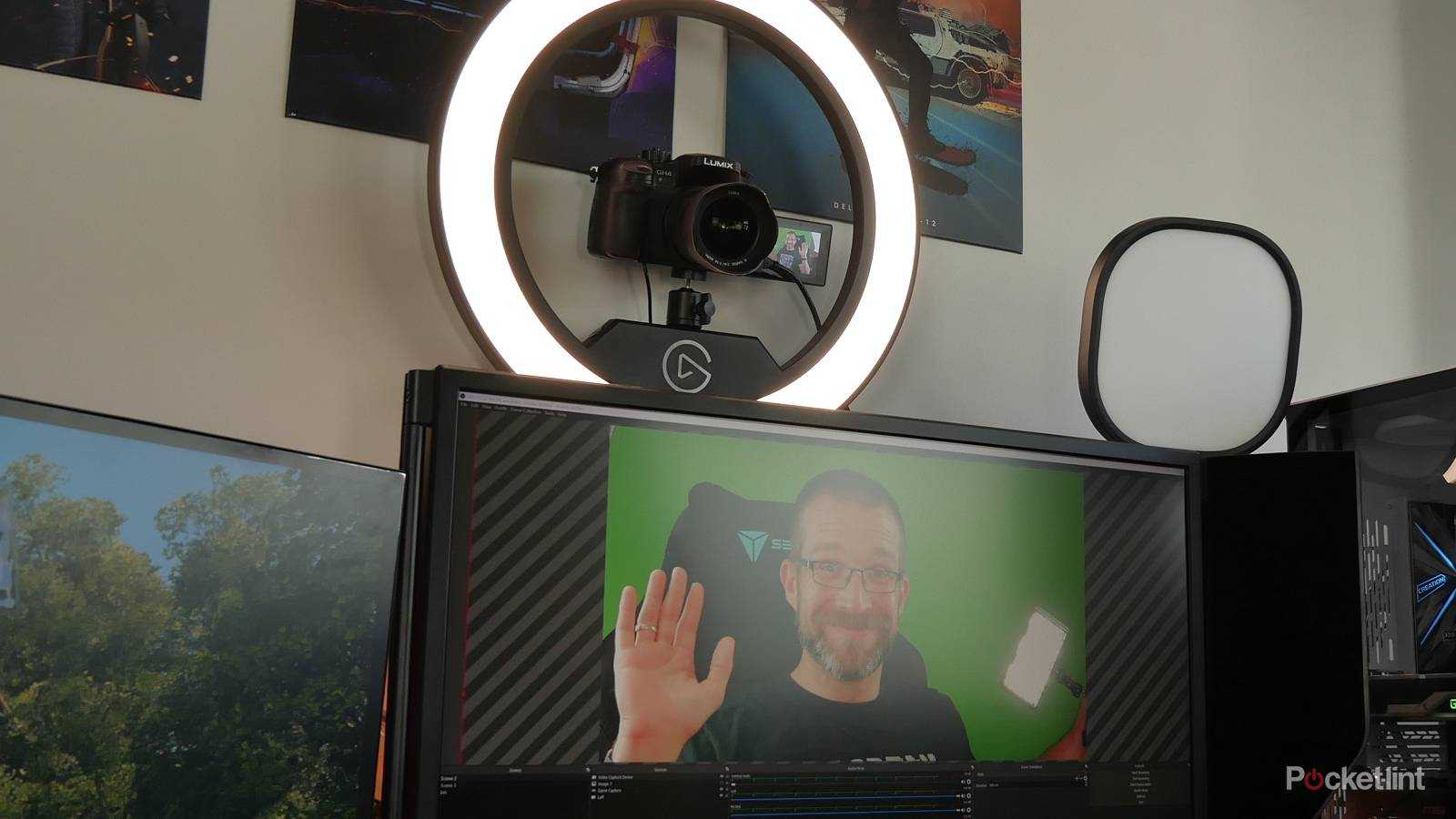
Yes, a webcam can sometimes replace a DSLR for content creation, especially for casual streaming or quick video projects. However, for professional-quality content, a DSLR’s superior image quality and versatility still hold significant advantages.
Webcams have come a long way, offering convenient and accessible options for content creators. They are ideal for live streaming, casual videos, and situations where ease of use is a priority. But if you’re aiming for high production value, a DSLR provides better image clarity, control over depth of field, and flexibility with lenses. Ultimately, it depends on your content needs and budget—webcams can be a practical choice for beginners or quick setups, but for polished, professional videos, a DSLR remains the gold standard.

Can Webcam Replace DSLR for Content Creation?
Understanding the Core Differences Between Webcams and DSLRs
Webcams and DSLRs serve different purposes and cater to distinct needs in content creation. Webcams are typically smaller and built for quick setup, while DSLRs offer higher image quality and greater control. The core difference lies in their lenses, sensors, and overall image processing capabilities.
Webcams usually have smaller sensors, which limit their ability to capture detailed images in low light. In contrast, DSLRs feature larger sensors that produce sharper, clearer images with more color accuracy. This fundamental difference impacts the quality of content produced and influences whether a webcam can truly replace a DSLR.
Image Quality and Resolution
The most noticeable difference between webcams and DSLRs concerns image quality. DSLRs provide high-resolution images that can reach 24 to 50 megapixels, depending on the model. Webcams generally max out at 1080p resolution, although some newer models support 4K.
For content creators aiming for professional-looking videos and photographs, resolution matters significantly. Higher resolution allows for better cropping, editing, and visual appeal. While many webcams today can deliver excellent 1080p quality, they still fall short of the crispness and detail that DSLRs provide.
Low-Light Performance
Lighting plays a vital role in content creation. DSLRs excel in low-light situations thanks to larger sensors and wider apertures. They handle shadows and highlights better, resulting in clearer, more vibrant images.
Most webcams struggle in dim environments, often producing grainy or blurry footage. Some newer models include night mode or low-light sensors, but they still can’t fully match the performance of a DSLR in challenging lighting conditions.
Control Over Settings and Creativity
A key advantage of DSLRs is their manual control over settings like aperture, shutter speed, and ISO. This flexibility allows content creators to shape their visuals exactly as they envision. It is especially useful for professional projects or artistic videos.
Webcams typically offer limited settings, focusing mainly on automatic adjustments. This can restrict creativity but simplifies operation for casual or quick content production. Advanced webcams with manual controls are emerging, narrowing the gap between them and DSLRs.
Portability and Convenience
Webcams are lightweight and easy to set up, making them ideal for quick videos or live streams. They typically plug directly into a computer and require minimal configuration.
In contrast, DSLRs are bulkier and need additional equipment like lenses, tripods, and external lighting. While this setup offers higher quality, it can be less practical for on-the-go content creation or casual use.
Cost Comparison and Value for Money
Cost plays an important role in choosing between a webcam and a DSLR. Good quality webcams can cost between fifty to two hundred dollars, providing excellent value for basic needs.
On the other hand, DSLRs often start around five hundred dollars and can exceed two thousand dollars for advanced models. They also require additional accessories, which increases the overall investment. For budget-conscious creators, webcams offer a compelling option, especially when paired with good lighting.
Ease of Use and Setup
Webcams are designed for quick setup—plug and play. This simplicity benefits creators who need to start recording or streaming immediately.
DSLRs demand more technical knowledge, including adjustments for focus, exposure, and audio. While they offer superior image quality, they require more time to set up and manage, which might not suit all content creators.
Compatibility with Streaming and Recording Software
Most webcams are compatible with popular live streaming platforms and video conferencing tools. They are often recognized automatically by software like OBS, Zoom, or Teams.
DSLRs can be used as webcams with additional equipment, such as HDMI capture cards. This setup can be more complex but allows content creators to incorporate high-quality footage into their streams. The learning curve is steeper, but the benefits include cinematic visuals.
Additional Features and Accessories
Webcams often include features like built-in microphones, automatic face tracking, and wide-angle lenses. These make them suitable for casual streaming or conferencing.
DSLRs provide more advanced options like interchangeable lenses, external microphones, and better autofocus systems. These features cater to professional content creation, including films, high-quality tutorials, and artistic projects.
Final Considerations: Which Is Better for Content Creation?
Deciding whether a webcam can replace a DSLR depends on the creator’s specific needs. Casual vloggers or streamers on a budget might find a webcam sufficient for their purposes.
Professional content producers, however, will benefit from the superior image quality and control of a DSLR. Balancing budget, intended content type, and technical skill will guide the right choice.
Related Topics and Emerging Trends
As technology advances, some webcams now incorporate features traditionally found in DSLRs, such as large sensors and manual controls. This blurs the line between the two devices.
Additionally, the rise of mirrorless cameras offers a middle ground, combining portability with high image quality. These cameras can also be used as webcams with minimal setup, making them a versatile option.
The future of content creation tools seems to favor hybrid devices that provide the best of both worlds: convenience and professional-quality output. Staying informed about new hardware will help creators choose the right device for their evolving needs.
Overall, while webcams have made significant improvements, they still cannot fully replace the quality and versatility of a DSLR for serious content creation. Each tool has its place, and understanding their strengths helps creators make the best decision for their goals and budget.
Replace Your Webcam With The Best Entry-Level Mirrorless DSLR Camera for Twitch!
Frequently Asked Questions
How does image quality from webcams compare to that of DSLRs for content creation?
Webcams typically offer lower resolution and image clarity compared to DSLRs, especially in different lighting conditions. DSLRs have larger sensors, allowing them to capture more detail and produce sharper images, which is essential for professional-looking content. While some high-end webcams can deliver impressive quality, they generally can’t match the versatility and performance of a DSLR in varying environments.
Can webcams handle low-light situations effectively for content production?
Webcams often struggle in low-light settings, resulting in grainy or noisy videos. DSLRs, on the other hand, feature larger sensors and better lenses, enabling them to perform well even in minimal light. This makes DSLRs a better choice when creating content in indoor or poorly lit environments, ensuring clearer and more vibrant visuals.
What are the limitations of using webcams for professional content creation?
Webcams have limited control over settings like aperture, shutter speed, and focus, which restricts their adaptability for different shooting scenarios. They also lack interchangeable lenses and advanced manual controls that DSLRs offer. Consequently, webcams may not meet the demands of high-quality production, especially when precise adjustments and creative control are necessary.
How does audio quality compare between webcams and DSLRs for video content?
Most webcams come with built-in microphones that provide decent audio quality for casual use. However, they often lack the clarity and sensitivity needed for professional content. DSLRs typically do not have built-in microphones or have basic ones, but they support external microphones that can significantly improve audio quality. For professional content, pairing a DSLR with an external mic offers better sound capture.
Is it feasible to use a webcam as a primary device for live streaming or recording sessions?
Using a webcam as the main device for live streams or recordings works for casual or informal content. However, for high-quality production, it may fall short in delivering consistent image quality, control over settings, and flexibility. DSLRs, combined with proper lighting and audio equipment, provide a more reliable setup for professional streaming or recording tasks.
Final Thoughts
Webcams have improved significantly, offering decent video quality for casual content creators. However, DSLRs still provide superior image quality, depth, and control, making them ideal for professional content.
For casual use or tight budgets, webcams can suffice and are much more convenient. But for high-quality production, a DSLR remains the preferred choice.
In conclusion, can webcam replace dslr for content creation? While webcams are suitable for simple projects, DSLRs offer the versatility and quality needed for professional content.



