


Finding the perfect laptop for architectural work can feel like a quest. You need something powerful enough to crunch complex 3D models, render visuals smoothly, and run demanding software like AutoCAD, Revit, and SketchUp without breaking a sweat. But you also want something portable enough to carry to client meetings or a coffee shop. We’ve scoured the market to bring you a roundup of the best architecture laptops that balance power, performance, and portability, ensuring your creative flow is never interrupted.
Quick Product Comparison
| Product | Image | Check Price |
|---|---|---|
| 1. MSI Katana 15 HX Laptop | 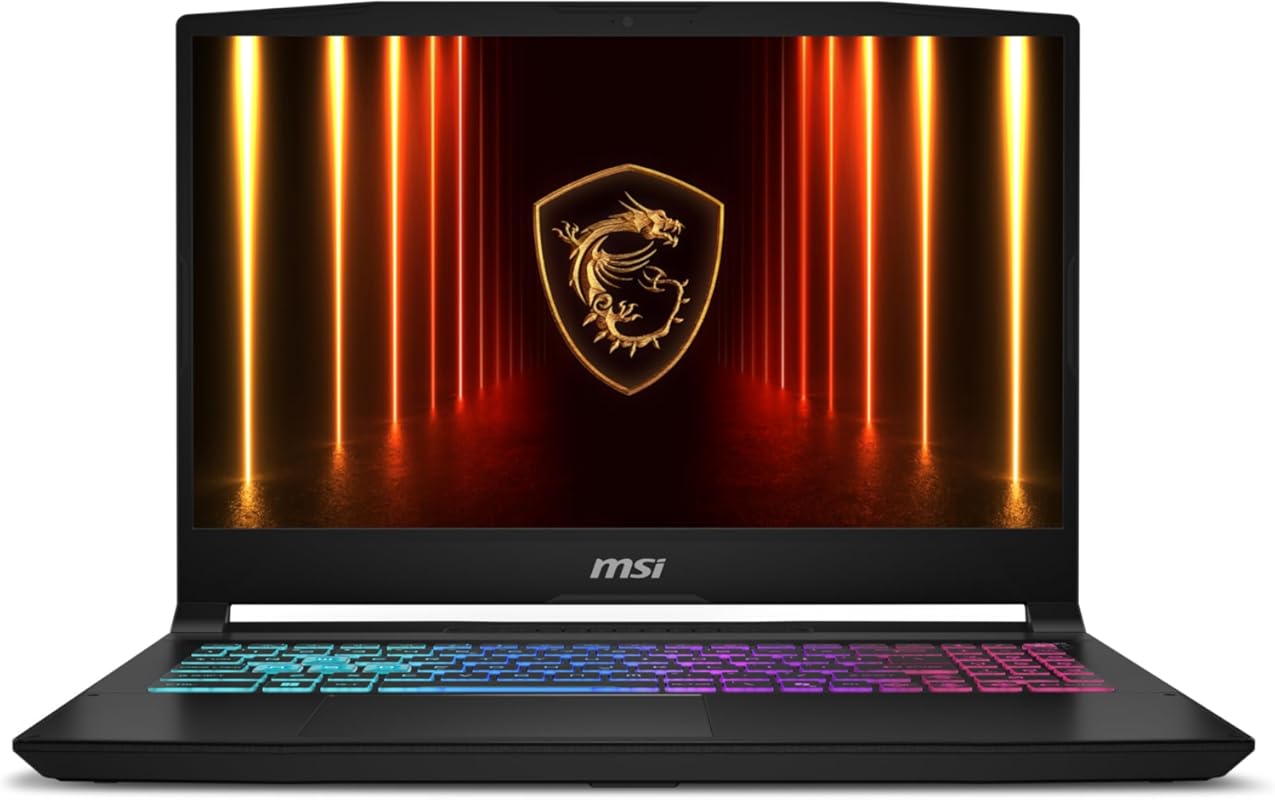 |
Check Price |
| 2. ASUS Vivobook Go Laptop |  |
Check Price |
Our Top 2 Best Architecture Laptop Reviews – Expert Tested & Recommended
1. MSI Katana 15 HX Laptop
The MSI Katana 15 HX is a powerhouse designed for those who demand top-tier performance. Its robust build and high-end components make it an excellent contender for demanding architectural tasks. If you’re looking for a machine that can handle complex rendering and simulations with ease, this laptop is definitely worth considering.
Key Features That Stand Out
- ✓ Intel Core i9-14900HX Processor for elite gaming and heavy workloads.
- ✓ NVIDIA GeForce RTX 5070 graphics for stunning visuals and fast rendering.
- ✓ QHD 165Hz display with 100% DCI-P3 for ultra-clear visuals.
- ✓ 32GB DDR5 RAM and 1TB NVMe SSD for seamless multitasking and quick load times.
Why We Recommend It
This laptop is a dream for architects who need serious horsepower. The combination of the latest Intel i9 processor and RTX 5070 graphics means you can tackle complex BIM models and rendering projects without lag. It’s built to last and perform, making it a reliable tool for your daily workflow.
Best For
Professionals who need a high-performance workstation for intensive 3D modeling, rendering, and complex simulations in architectural software.
Pros and Cons
Pros:
- Exceptional processing and graphics power for demanding tasks.
- High-refresh-rate QHD display offers superb visual clarity.
- Generous RAM and fast SSD ensure smooth multitasking.
- Durable build quality suitable for professional use.
Cons:
- Can be on the heavier side, impacting portability.
- Battery life might be a concern for all-day remote work.
Customer Reviews
Customer Review: I wanted a new laptop for personal use as well as mostly moderate gaming, and this laptop is great for all my purposes (i9, 32GB RAM, 1TB storage). I consider the price I paid ($1746) reasonable compared with similar laptops, but it does go on sale sometimes. The laptop is a little on the heavy and s
Customer Review: This one takes the cake. During the fourth of July sales going around from every major tech market, I did about two weeks of research only to come to terms that this was not only one of the cheapest options, but best priced options for everything that’s attached to the motherboard. I was pleasantly
2. ASUS Vivobook Go Laptop
The ASUS Vivobook Go offers a fantastic balance of performance and affordability, making it a great option for architecture students or professionals on a tighter budget. It’s a reliable machine for everyday tasks and can handle lighter CAD work, ensuring you can stay productive without overspending.
Key Features That Stand Out
- ✓ AMD Ryzen 3 7320U Processor for efficient everyday computing.
- ✓ 15.6-inch FHD display for clear visuals.
- ✓ 8GB DDR5 RAM and 256GB SSD for responsive multitasking and storage.
- ✓ Slim and lightweight design for enhanced portability.
Why We Recommend It
For many architects, the bulk of the work involves documentation, presentations, and lighter modeling. The Vivobook Go handles these tasks with surprising grace. It’s incredibly portable and offers a comfortable typing experience, making it ideal for those who are frequently on the move or working from various locations.
Best For
Architecture students and professionals who need a reliable and portable laptop for note-taking, presentations, general office tasks, and light CAD work.
Pros and Cons
Pros:
- Excellent value for its price point.
- Lightweight and portable, ideal for travel.
- Good battery life for extended use.
- Fast boot-up and application loading times.
Cons:
- Not suitable for very heavy 3D rendering or complex simulations.
- Storage capacity might be limiting for large project files.
Customer Reviews
Customer Review: This laptop replaced a 14-year-old laptop. This is a low-cost, no-frills laptop and not very powerful, but it will do the job I need it for. I have a very powerful computer at home. But if I am away from home, this laptop will work for me. The setup right out of the box was fast and painless. Very g
Customer Review: I had an average Chromebook that I needed to replace that couldn’t be fixed by the IT man and he recommended this exact model. It is a nice change going back to a laptop! It does everything that I need it to do. Has lots of space for pictures and documents. The processing speed is fast and I can hav
Complete Buying Guide for Best Architecture Laptop
Essential Factors We Consider
When selecting the best architecture laptop, we always prioritize performance. This means looking for a powerful processor (Intel Core i7/i9 or AMD Ryzen 7/9 series are ideal), ample RAM (16GB is a minimum, 32GB is recommended for complex projects), and a dedicated graphics card (NVIDIA GeForce RTX or Quadro series are excellent choices for 3D rendering and CAD). A fast Solid State Drive (SSD) is also crucial for quick boot times and application loading. Beyond raw power, display quality matters; a high-resolution screen with good color accuracy ensures you see your designs in their true form.
Budget Planning
Architectural laptops can range significantly in price. For students or those on a tighter budget, a laptop in the $800-$1200 range can still offer decent performance for basic tasks and lighter modeling. However, for professionals working with complex projects, investing $1500-$2500 or more will be necessary to get a machine that can handle intensive rendering and simulations efficiently. Don’t forget to factor in potential costs for software licenses or extended warranties.
Final Thoughts
Choosing the right architecture laptop is a personal decision based on your specific needs and budget. Whether you’re a student starting out or a seasoned professional, investing in a capable machine will significantly boost your productivity and creative output. Consider the software you use most frequently and the complexity of your projects when making your final choice.
Frequently Asked Questions
Q: What is the minimum RAM I need for architectural software?
A: For basic architectural tasks and lighter CAD work, 16GB of RAM is a good starting point. However, for complex 3D modeling, rendering, and BIM applications like Revit, we highly recommend at least 32GB of RAM to ensure smooth performance and avoid system slowdowns.
Q: Do I need a dedicated graphics card for architecture?
A: Yes, a dedicated graphics card (GPU) is highly recommended, if not essential, for architectural work. Software like AutoCAD, SketchUp, and rendering engines heavily utilize the GPU for tasks such as 3D model rendering, real-time visualization, and complex calculations. Look for NVIDIA GeForce RTX or Quadro series cards for the best performance.
Q: How important is screen resolution and color accuracy for an architecture laptop?
A: Very important! A high-resolution screen (Full HD or QHD) provides sharper details, crucial for intricate designs. Good color accuracy (e.g., 100% sRGB or DCI-P3 coverage) ensures that the colors you see on your screen accurately represent how they will appear in print or on other devices, which is vital for client presentations and accurate design representation.
Q: Can I use a gaming laptop for architecture?
A: Absolutely! Gaming laptops often come with powerful processors, dedicated GPUs, and high-refresh-rate displays that are perfectly suited for architectural workloads. The key is to ensure the specifications align with your software requirements. Sometimes, a gaming laptop might offer better value for the performance you get compared to a specialized workstation.
Ultimately, the best architecture laptop is one that empowers you to bring your creative visions to life without technical limitations. Whether you opt for the raw power of the MSI Katana 15 HX or the budget-friendly portability of the ASUS Vivobook Go, investing in a machine tailored to your workflow will pay dividends in efficiency and design quality. Explore your options, consider your daily tasks, and make a choice that fuels your architectural journey.



