
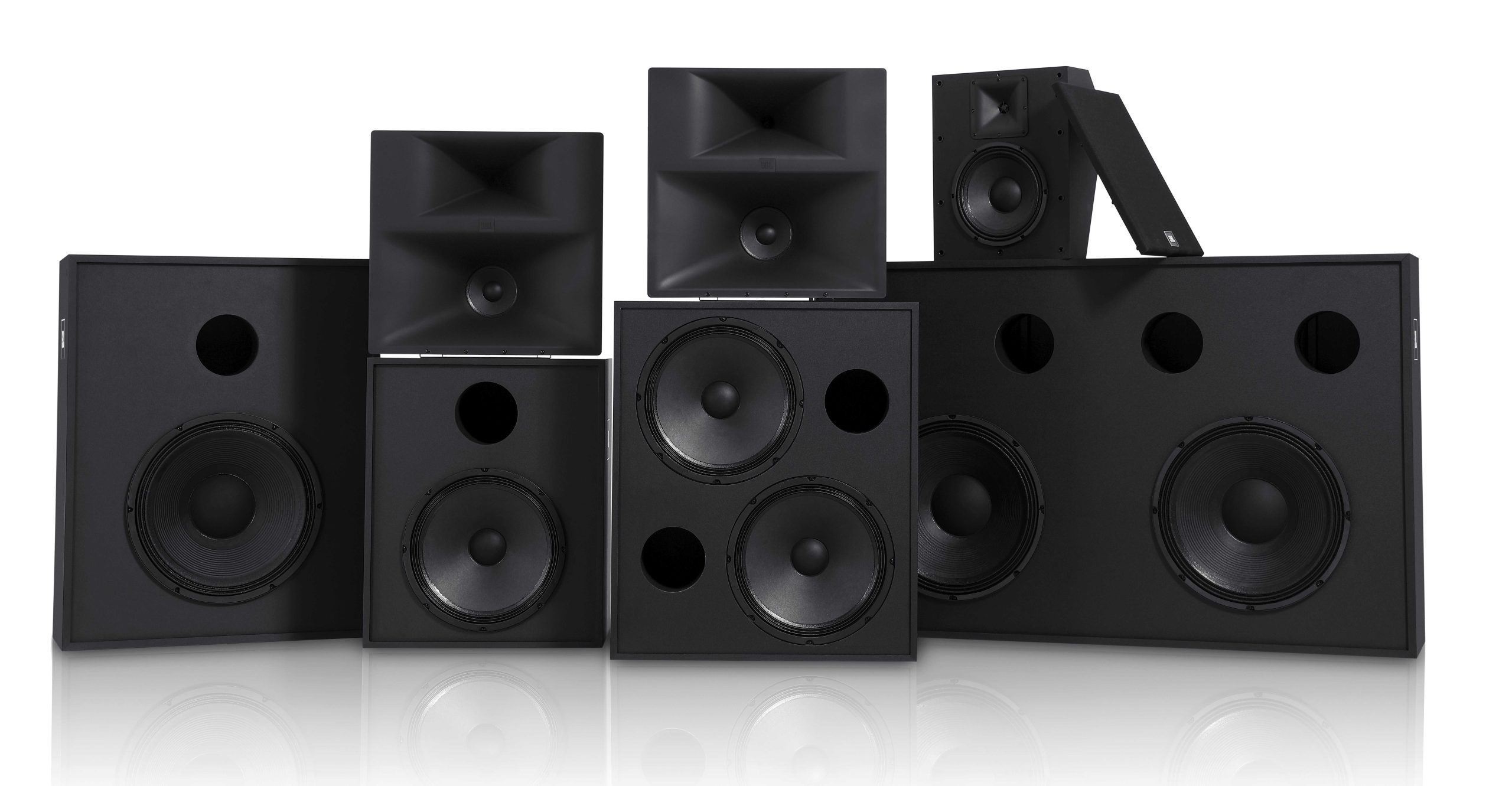
To use a sound box with your home theater system effectively, connect the sound box to your receiver or TV using the appropriate audio cables, such as HDMI or optical. Then, configure your audio settings to prioritize the sound box, ensuring you enjoy enhanced audio quality during movies and music. Remember to set up the sound box in a suitable spot for optimal sound dispersion.
A sound box can significantly improve your home entertainment experience by delivering richer, more immersive sound. To connect it seamlessly, identify the correct ports on your home theater system and sound box, then adjust your system settings accordingly. Proper placement and configuration are key to getting the most out of your sound box.
Getting the most out of a sound box with your home theater system is a straightforward process that can dramatically elevate your audio experience. Start by choosing the right connection method—HDMI, optical, or AUX—and ensure your sound box is positioned for optimal sound distribution. With a few simple setup steps, you’ll transform your movie nights and music listening into immersive auditory adventures. No matter your setup, enhancing your system’s audio has never been easier or more rewarding.

How to use a sound box with a home theater system
Understanding the sound box and its role in your home theater
A sound box, often called a soundbar or sound system, enhances your home theater audio. It delivers clearer dialogue, richer bass, and immersive sound effects. Knowing how it fits with your existing equipment helps you get the best audio experience.
Choosing the right sound box for your setup
Selecting the correct sound box depends on your room size and budget. Big rooms may need larger sound systems with more speakers, while smaller spaces can benefit from compact soundbars. Consider compatibility with your TV and other devices as well.
Key factors to consider
- Power output (measured in watts)
- Number of channels (e.g., 2.1, 5.1, 7.1)
- Connectivity options (HDMI, Bluetooth, Wi-Fi)
- Size and design to match your room aesthetics
- Additional features like built-in voice assistants or subwoofers
Connecting the sound box to your home theater system
Proper connection setup ensures optimal sound quality. You can connect your sound box via several methods, each suited to different setups.
Using HDMI ARC or eARC
Most modern TVs and sound boxes support HDMI ARC (Audio Return Channel). Connect your sound box to your TV’s HDMI ARC port using an HDMI cable. This allows your TV to send audio to the sound box effortlessly, reducing the need for multiple cables.
Optical or Toslink connection
An optical cable transmits high-quality audio and is a good choice if HDMI is unavailable. Connect one end of the optical cable to your TV’s optical output and the other to your sound box’s optical input.
Bluetooth or wireless connection
Wireless options offer convenience, especially if your sound box supports Bluetooth or Wi-Fi. Pair your device by enabling Bluetooth pairing mode on the sound box and selecting it from your TV or smartphone.
Configuring your home theater system for optimal sound
Once connected, adjusting settings ensures you get balanced and clear audio.
Adjusting audio settings on your TV
Navigate to your TV’s sound or audio menu. Enable ARC, turn off TV speakers, and select the correct audio output source (HDMI, optical, Bluetooth).
Setting up the sound box
Follow the manufacturer’s instructions to calibrate your sound box. Some models offer auto-calibration features, which optimize sound based on room acoustics.
Positioning your sound box for the best sound experience
Proper placement enhances sound clarity and immersion.
For soundbars
Place the soundbar directly below or above your TV screen. Keep it at ear level if possible for clearer dialogue. Avoid blocking the speaker grille.
For multi-speaker systems
Position front speakers on either side of your TV, about ear level. Surround speakers should be placed slightly behind and to the sides of your seating area. Subwoofers perform best on the floor, away from walls.
Fine-tuning your audio settings
Adjust sound settings to suit your preference and room characteristics.
Using equalizer settings
Most sound boxes have EQ controls. Increase bass for a richer experience or boost treble for clearer dialogue.
Utilizing surround sound modes
Activate virtual surround modes if available. These simulate multi-directional sound for a theater-like experience in your room.
Maintaining your sound box for long-term performance
Proper maintenance preserves sound quality and extends the lifespan of your device.
Regular cleaning
Gentle dusting of the sound box and speakers keeps dust from affecting sound quality. Use a soft, dry cloth.
Firmware updates
Check manufacturer websites regularly for software updates. Updates improve functionality and fix bugs.
Avoiding common setup mistakes
Ensure cables are securely connected and devices are powered off during setup. Avoid overlapping cables to prevent interference.
Additional tips for the best home theater audio experience
Increase your enjoyment by following these suggestions.
Room acoustics
Use carpets, curtains, or acoustic panels to minimize sound reflections and echoes.
Seating placement
Sit at an optimal distance from your TV and sound box—roughly 1.5 to 2 times the screen size for the best sound and picture balance.
Using a receiver for advanced setups
For complex systems, connect multiple speakers through a home theater AV receiver. This allows for better sound distribution and customization.
Related topics
- Best speaker placement for home theater systems
- Guide to connecting multiple speakers in a surround sound setup
- How to troubleshoot sound issues with your home theater system
- Choosing the right cables for your audio connections
- Understanding different home theater audio formats (Dolby Atmos, DTS:X)
Having a well-placed and properly configured sound box can significantly improve your home theater experience. Take time to select the right model, connect it correctly, and fine-tune your settings. This way, you will enjoy richer, clearer, and more immersive sound with every movie or show.
How to Build a Home Theater On A Budget
Frequently Asked Questions
How do I connect my sound box to the home theater system?
To connect your sound box to the home theater system, first identify the audio output ports on your home theater receiver. Use an appropriate cable, such as an HDMI, optical, or auxiliary cable, to connect the output port from your receiver to the input port on the sound box. Ensure both devices are powered on, and select the correct input source on the sound box to enable audio from your home theater system.
What settings should I adjust on my home theater system when adding a sound box?
Adjust the audio output settings on your home theater system to match the connection type. For HDMI or optical connections, ensure the output is set to transmit multi-channel audio if available. Additionally, configure the audio mode to ‘stereo’ or ‘surround’ based on your preference and the capabilities of the sound box, and disable any internal speakers of the home theater receiver if you want to use only the sound box for audio playback.
Can I control the sound box with my home theater remote?
Controlling the sound box with your home theater remote depends on compatibility. If both devices support universal remote functions or HDMI-CEC, you may be able to operate the sound box through your home theater remote. Otherwise, you might need to use the sound box’s dedicated remote for volume and input adjustments or explore remote control apps that support both devices.
Is it necessary to calibrate the audio settings after connecting the sound box?
Yes, it’s advisable to calibrate the audio settings after connecting the sound box. Use the calibration tools available on your home theater system, such as automatic speaker calibration, to optimize sound levels and balance. Fine-tuning the volume and equalizer settings on both devices ensures you get the best audio experience tailored to your space and preferences.
What should I do if I experience audio lag or synchronization issues?
If you notice audio lag or synchronization problems, check the connection type and ensure cables are secure. Adjust audio delay settings on your home theater system if available. If issues persist, try switching to a different connection method, such as replacing optical with HDMI, or update the firmware of your devices. Restart both the home theater system and sound box to reset the connection.
Final Thoughts
Using a sound box with a home theater system enhances your audio experience by providing clear and powerful sound. Connect the sound box to your receiver via the appropriate cable, ensuring compatibility. Adjust the settings on both devices to optimize audio quality and balance.
Once set up, select the right input on your home theater system to switch to the sound box. Test different content to familiarize yourself with its performance. Proper configuration ensures you enjoy immersive sound with minimal effort.
In conclusion, how to use a sound box with a home theater system becomes straightforward with correct connections and settings. Follow these simple steps for improved audio quality and an engaging home entertainment environment.

I’m passionate about hardware, especially laptops, monitors, and home office gear. I share reviews and practical advice to help readers choose the right devices and get the best performance.
