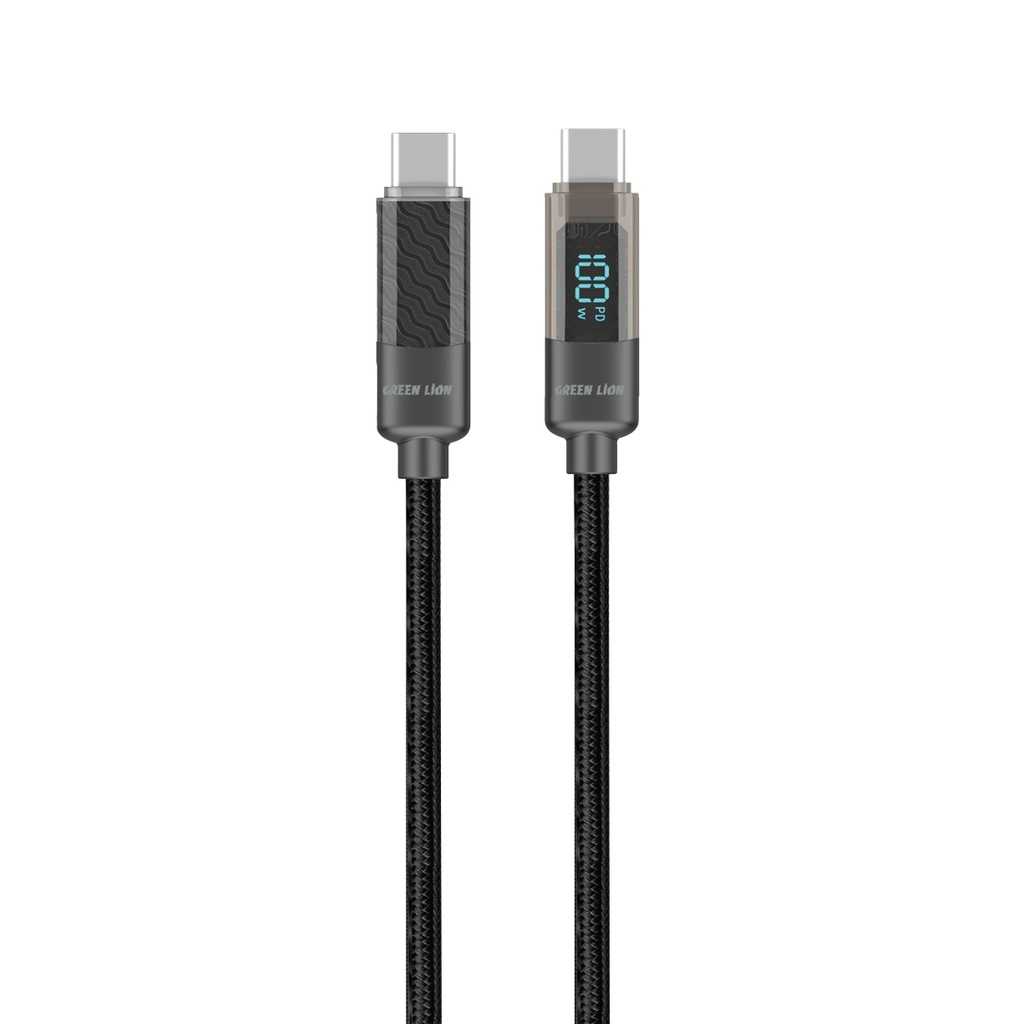
Yes, USB-C monitors can be eco-friendly, especially when designed with energy efficiency and sustainable materials in mind. They often consume less power and reduce the need for multiple cables, which can decrease electronic waste. However, their eco-friendliness ultimately depends on the manufacturing process, materials used, and energy consumption during use.
USB-C monitors are gaining popularity not just for their sleek design and convenience but also for their potential to be more environmentally friendly. These monitors streamline connectivity by replacing multiple cables, reducing clutter and waste. Modern models also focus on energy efficiency, helping to lower electricity consumption. As consumers become more eco-conscious, manufacturers are increasingly emphasizing sustainable practices, from using recyclable materials to designing products that last longer. Whether you’re looking to cut down on energy bills or reduce your carbon footprint, choosing an eco-friendly USB-C monitor can be a smart move. Let’s explore what makes these devices environmentally friendly and how you can maximize their benefits.

Are USB C Monitors Eco Friendly? Exploring the Environmental Impact of USB C Monitors
Introduction to USB C Monitors and Their Popularity
USB C monitors have become highly popular because of their versatility and convenience. They connect devices using a single cable for power and data transfer. As more people adopt USB C monitors, it’s important to consider their environmental impact. Understanding whether these monitors are eco friendly can help consumers make better choices.
What Makes a Monitor Eco Friendly?
An eco friendly monitor is designed with sustainability in mind. It minimizes harmful environmental effects during manufacturing, use, and disposal. Key factors include energy efficiency, recyclable materials, and durable design. Monitoring these aspects helps determine if a device supports eco-friendly living.
Materials Used in USB C Monitors
Most USB C monitors are made with plastic, metal, and glass components. Some brands now focus on using recycled or biodegradable materials to reduce environmental footprint. The use of non-toxic substances also plays an important role in making these devices safer for the environment.
Recycled and Biodegradable Materials
Recycling materials during production reduces the need for virgin resources. Some manufacturers incorporate recycled plastics and metals into their monitors. This helps lower the overall carbon footprint associated with production.
Hazardous Substances and Their Impact
Certain components in monitors, such as batteries and circuit boards, contain hazardous substances. Proper disposal and recycling protocols are critical to prevent environmental contamination. Eco friendly monitors aim to limit the use of hazardous materials or ensure safe disposal.
Energy Efficiency of USB C Monitors
Energy consumption directly impacts ecological sustainability. The less energy a monitor uses, the smaller its carbon footprint. Many USB C monitors feature energy-saving modes and certifications that indicate their efficiency.
Power Consumption During Use
Modern USB C monitors often consume less power thanks to LED backlighting and optimized circuitry. Some models have adjustable brightness levels to save energy during use. Lower power consumption means reduced electricity bills and less environmental damage.
Power Delivery and Charging Capabilities
USB C monitors can deliver power to connected devices, reducing the need for multiple chargers. This integrated charging capability cuts down on the number of devices that need to be plugged in, further saving energy and reducing waste.
Design and Durability
A durable design extends a monitor’s lifespan, decreasing the frequency of replacement and waste. Choosing well-made USB C monitors supports sustainability goals.
Build Quality and Longevity
High-quality materials and construction contribute to longer-lasting devices. Monitors with robust screens and sturdy stands withstand daily wear and tear better, which reduces electronic waste.
Modular Design and Upgradability
Some USB C monitors feature modular parts that can be upgraded or replaced. This allows consumers to extend their monitor’s life instead of discarding it prematurely.
Manufacturing Processes and Sustainability
Manufacturers that prioritize eco friendly practices reduce their environmental footprint. This involves responsible sourcing, clean energy use, and waste management.
Sustainable Sourcing of Raw Materials
Eco conscious brands source raw materials responsibly, avoiding conflict minerals and environmentally damaging extraction processes. Certifications like Fair Trade or Forest Stewardship Council (FSC) indicate sustainable sourcing.
Energy Use in Manufacturing
Factories powered by renewable energy sources produce monitors with a smaller carbon footprint. Efficient manufacturing processes also minimize waste and emissions.
Recycling and Disposal of USB C Monitors
Proper disposal methods help prevent environmental harm caused by electronic waste. Recycling programs for electronic devices are essential.
Recycling Programs and Policies
Many manufacturers now offer recycling programs for old monitors. These ensure that hazardous materials are safely processed and valuable components are reused.
Environmental Benefits of Recycling
Recycling reduces landfill waste and conserves resources. It also decreases the need for mining and manufacturing new materials, lessening environmental impact.
Energy Star and Other Eco Certifications
Certifications like Energy Star validate the energy efficiency of electronic devices. Monitors bearing these labels are typically eco friendly.
What Is Energy Star?
Energy Star is a certification that identifies products that meet strict energy efficiency guidelines. Choosing Energy Star certified USB C monitors supports sustainable use.
Other Relevant Certifications
Look for monitors with certifications such as EPEAT or TCO Certified, which evaluate environmental performance and social responsibility in manufacturing.
Comparing USB C Monitors to Traditional Monitors
USB C monitors may be more eco friendly compared to older models, thanks to their modern designs and features.
Advantages of USB C Monitors for Sustainability
They often consume less power, support fewer cables, and are built with sustainable materials. Simplifying connections reduces electronic waste and resource usage.
Limitations and Challenges
Not all USB C monitors are inherently eco friendly. Some may still contain hazardous substances or have short lifespans. Consumers should consider each product’s environmental profile.
Additional Eco Friendly Tips for Monitor Use
Sustainable practices extend beyond the device itself. Adjusting usage habits can further help reduce environmental impact.
Adjust Brightness and Power Settings
Reducing screen brightness and activating sleep modes conserve energy. This simple habit prolongs device life and lowers electricity bills.
Proper Maintenance and Care
Keeping monitors clean and avoiding physical damage extends their lifespan. Regular updates and careful handling prevent premature disposal.
Responsible Purchasing Decisions
Choose brands committed to sustainability, transparent about their environmental practices. Supporting eco friendly companies promotes industry-wide improvements.
Related Topics: Sustainable Tech and Future Trends
The technology industry is moving toward greener solutions. Innovations include biodegradable components, recycled packaging, and energy-efficient manufacturing.
Emerging Technologies in Eco Friendly Monitors
New developments aim to create monitors with minimal environmental impact. These include organic light-emitting diodes (OLED) and bioplastics.
The Role of Consumers in Promoting Sustainability
Consumer demand influences manufacturers to adopt eco friendly practices. By choosing environmentally responsible products, individuals can drive change.
In conclusion, USB C monitors can be eco friendly if designed and used with sustainability in mind. Factors such as the materials used, energy efficiency, and proper disposal practices all contribute to their environmental impact. Consumers have the power to make smarter choices by prioritizing monitors that support eco friendly principles. As technology advances, expect more innovative solutions that reduce ecological footprints and promote greener living.
My laptop workstation setup with #baseus USB-C Hub
Frequently Asked Questions
What materials are commonly used in the manufacturing of USB-C monitors that impact their eco-friendliness?
Many USB-C monitors incorporate plastics and metals like aluminum and recyclable polymers. Using recyclable materials reduces environmental impact, especially when manufacturers design for easy disassembly. Monitors built with sustainably sourced components and minimal hazardous substances tend to be more eco-friendly, minimizing harmful waste and promoting recycling efforts.
How does the energy consumption of USB-C monitors compare to traditional monitors in terms of eco-friendliness?
USB-C monitors often feature energy-efficient designs that consume less power during operation. Many models include automatic sleep modes and adaptive brightness settings, which help reduce overall energy use. Lower energy consumption means less demand on power grids and fewer greenhouse gas emissions, making USB-C monitors a more sustainable choice than some traditional options.
Do USB-C monitors contribute to e-waste reduction through their design or functionality?
Yes, many USB-C monitors are designed with longevity and modularity in mind. They often support firmware updates and have replaceable parts, which extend their lifespan. Additionally, their compatibility with various devices reduces the need for multiple adapters or adapters, limiting e-waste. Choosing monitors with these features helps reduce overall electronic waste.
Can the use of USB-C connection technology support eco-friendly practices in workplaces?
Using USB-C connection technology simplifies device setups, reducing cable clutter and minimizing the need for excess peripherals. Since USB-C can deliver power and data over a single cable, it decreases energy consumption and material use associated with multiple cords and adapters. This streamlined approach supports sustainable practices by cutting down on resource use and waste.
Are there certifications or standards that indicate USB-C monitors are eco-friendly?
Yes, some USB-C monitors carry environmental certifications such as ENERGY STAR or EPEAT. These certifications indicate that the monitors meet specific energy efficiency and sustainability standards. Choosing monitors with such labels assures consumers that the products adhere to environmentally responsible manufacturing and operational practices.
Final Thoughts
Les moniteurs USB-C offrent une option pratique pour réduire l’encombrement avec un seul câble d’alimentation et de données. Leur fabrication implique souvent des matériaux recyclables, ce qui peut réduire l’impact environnemental. Cependant, leur durabilité et consommation d’énergie doivent aussi être considérées.
En somme, are usb c monitors eco friendly dépend de plusieurs facteurs, dont la fabrication, la consommation énergétique et la recyclabilité. Bien qu’ils présentent des avantages écologiques, il reste essentiel de choisir des modèles respectueux de l’environnement.

With experience in IT support and consumer technology, I focus on step-by-step tutorials and troubleshooting tips. I enjoy making complex tech problems easy to solve.