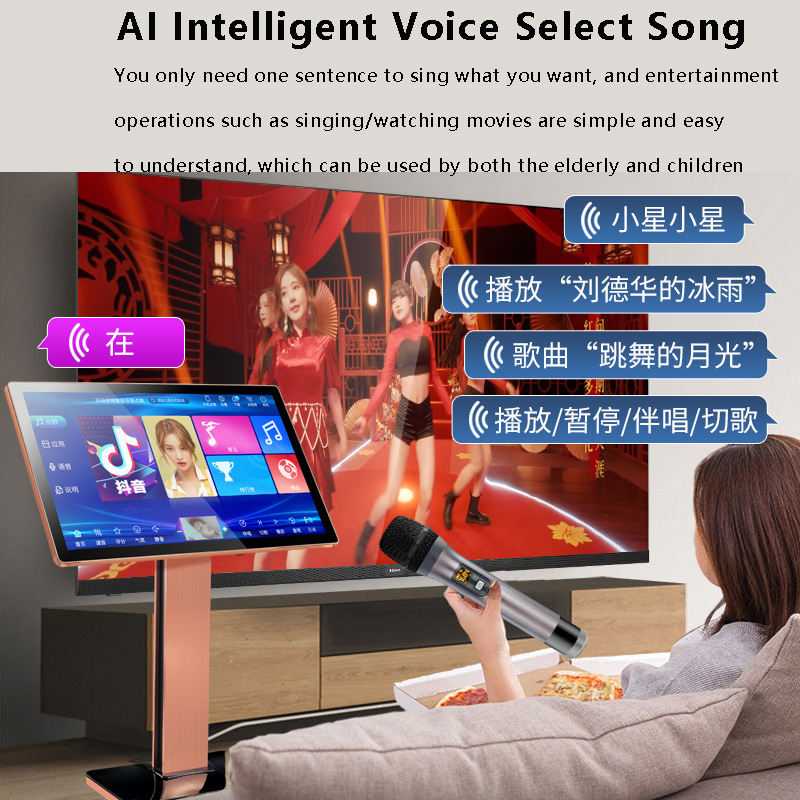
Yes, many smart sound boxes can understand and respond in multiple languages, making them incredibly versatile for users worldwide. These devices are equipped with multilingual capabilities that allow them to recognize and process commands in different languages, sometimes even switching seamlessly between them.
In short, modern smart sound boxes often support multiple languages, enabling users to interact naturally in their preferred language. The ability depends on the model and its software features, but many popular brands now offer multilingual support to accommodate diverse users.
Imagine having a smart sound box that understands your commands in English, French, or Spanish, all at the same time—it’s no longer a futuristic idea but a current reality. As voice assistants become more advanced, they’re increasingly capable of understanding various languages, dialects, and accents. If you’re curious about whether your device can handle multiple languages or how to enable this feature, keep reading to discover more about the multilingual capabilities of these smart devices and how they can make your daily interactions smarter and more inclusive.

Can Smart Sound Boxes Understand Different Languages?
Introduction to Smart Sound Boxes and Language Capabilities
Smart sound boxes, also known as smart speakers, have become a part of our daily lives. They can play music, answer questions, and control smart home devices. One key question is whether these devices can understand and process different languages. Many users want to know if they can communicate with their smart speakers in their native tongue. This feature is important for making technology more accessible across diverse language groups.
How Do Smart Sound Boxes Recognize Speech?
Smart sound boxes use speech recognition technology to understand user commands. They analyze the sound waves from your voice and convert them into digital commands. This process involves complex algorithms that compare sounds to stored language patterns. The better the technology, the more accurately the device recognizes speech. Modern systems can even distinguish between different voices, making interactions more personalized.
Language Support in Popular Smart Sound Box Models
Major brands like Amazon Echo, Google Nest, and Apple HomePod offer varying levels of language support. Amazon Echo supports languages such as English, Spanish, French, and German. Google Nest offers additional options, including Japanese and Korean. Apple’s HomePod primarily operates in English and a few other languages. It’s essential to check each device’s current language capabilities before purchase.
Can Smart Sound Boxes Switch Between Multiple Languages?
Some smart sound boxes can switch seamlessly between languages depending on user settings. For example, users can set their preferred languages in the device’s app. Certain devices allow bilingual commands, recognizing two languages within the same conversation. This feature benefits families or individuals who use multiple languages daily. However, not all devices support automatic switching, which can be a limitation for multilingual households.
Multi-Language Voice Recognition Settings
Devices that support multiple languages often require users to select preferred languages manually. Once set, the device can recognize commands in those languages. Some advanced models enable dynamic switching based on the language detected during the conversation. This capability improves user experience by providing more natural interactions.
Challenges in Understanding Different Languages
While many smart sound boxes support multiple languages, some challenges remain. Accents, dialects, and pronunciation differences can impact recognition accuracy. For example, regional accents may confuse even advanced systems, leading to misunderstandings. Additionally, some languages with complex grammar or tonal features pose difficulties for speech recognition algorithms.
Accent and Dialect Issues
Devices trained mainly on standard dialects may struggle with regional accents. This can cause misinterpretation of commands or responses. Manufacturers continually update speech models to address these issues, but some inaccuracies may persist. Users with strong accents should be aware of potential recognition problems.
Language Complexity and Recognition Accuracy
Languages like Chinese, Arabic, and Indian dialects contain tonal or script-based complexities. These features make voice recognition more challenging for smart sound boxes. As a result, some devices may not perform as well in recognizing or processing commands in these languages. Developers are working to improve support for such complex languages over time.
Advancements in Multilingual Speech Recognition Technology
Recent technological progress has enhanced the ability of smart sound boxes to understand multiple languages. Machine learning algorithms allow devices to learn and adapt to various speech patterns more effectively. These improvements lead to more accurate and natural interactions across different languages and dialects.
Use of Artificial Intelligence (AI) in Language Processing
AI-powered speech recognition models are now better at handling multilingual commands. They analyze context and intent to interpret user requests accurately. AI also enables devices to learn from user corrections, improving their understanding over time. This ongoing learning process results in improved performance for multilingual users.
Future Trends in Language Recognition
Manufacturers aim to expand support for more languages and dialects in future models. There is an increasing focus on real-time translation features, allowing cross-language communication. These advancements will make smart sound boxes more versatile for users worldwide, offering more natural and seamless interactions.
Practical Uses of Multilingual Smart Sound Boxes
Multilingual support in smart sound boxes proves useful in many scenarios. Families with members speaking different languages can benefit from devices that understand everyone. Travelers can use these devices for translation during trips. Additionally, multilingual smart speakers help in language learning and educational activities.
Family and Household Use
In multilingual households, smart sound boxes can recognize and respond in different languages. They make communication easier by eliminating the need for multiple devices. This convenience promotes inclusive interactions and supports language preservation within families.
Travel and International Use
Travelers often encounter language barriers. Smart sound boxes with multilingual capabilities can serve as translation assistants. They assist with directions, shopping, and dining conversations, making travel smoother. These devices provide real-time translation in many languages, enhancing cultural exchange.
Language Learning and Education
Smart sound boxes can be used as language tutors. They can help users practice pronunciation, vocabulary, and conversational skills in various languages. Their interactive nature makes learning more engaging for children and adults alike.
Choosing a Smart Sound Box for Multilingual Use
When selecting a smart sound box for multiple languages, consider several factors. Compatibility with languages you speak is crucial, along with features like voice recognition accuracy and ease of switching languages. Device ecosystem and app support also influence usability.
Key Factors to Consider
- Supported Languages: Verify the device supports your preferred languages and dialects.
- Automatic Language Switching: Check if the device can switch languages dynamically.
- Voice Recognition Accuracy: Look for models with high accuracy in recognizing various accents and pronunciations.
- Integration with Other Devices: Ensure compatibility with your smart home ecosystem for seamless control.
Summary of Language Support and Features in Leading Devices
| Smart Sound Box | Supported Languages | Automatic Switching | Notes |
|---|---|---|---|
| Amazon Echo | English, Spanish, French, German, Italian, Japanese (via updates) | Partial (depends on device and settings) | Good for mainstream languages, expanding support |
| Google Nest | English, Spanish, French, German, Japanese, Korean, Italian, Dutch | Yes in some models | Highly versatile with continuous updates |
| Apple HomePod | English, French, German, Chinese | No (manual language change required) | More limited but focused on major languages |
Final Thoughts on Using Smart Sound Boxes with Multiple Languages
Smart sound boxes now serve as multilingual assistants, making technology more accessible and user-friendly across language barriers. As speech recognition technology advances, these devices become more accurate and versatile. They help connect people, facilitate learning, and support communication in our increasingly globalized world. Whether for household use, travel, or education, selecting a device with the right language features is essential. With ongoing improvements, smart sound boxes will continue to evolve, offering more seamless and natural multilingual interactions in the future.
Can a Pocket Translator Beat a Real Translator? We Tested It. | WSJ
Frequently Asked Questions
Can a smart sound box recognize commands in multiple languages?
Many smart sound boxes are designed to interpret commands in several languages. They use advanced speech recognition technology to identify different languages and respond appropriately. However, the support for multiple languages varies depending on the model and manufacturer. Always check the product specifications to ensure it can understand the languages you plan to use.
How accurate is a smart sound box when understanding different languages?
The accuracy depends on the device’s software and the clarity of speech. Modern smart sound boxes equipped with sophisticated algorithms can understand various languages with high precision, especially when speakers use clear pronunciation. Background noise and accent differences might occasionally affect performance, but many devices continue to improve in these areas.
Can users switch between languages easily on a smart sound box?
Most smart sound boxes allow users to switch languages through voice commands or app settings. Some devices support multilingual modes, enabling seamless transition when speaking in different languages. This flexibility helps users communicate naturally without needing to change settings frequently.
Are there limitations for understanding less common or regional languages?
Yes, some smart sound boxes primarily focus on widely spoken languages and may have limited capabilities with regional dialects or less common tongues. Manufacturers tend to prioritize popular languages, so the device’s performance with minority languages might not be as reliable. It’s best to review device capabilities if you need support for specific dialects.
Does using multiple languages affect the device’s performance or responsiveness?
Using multiple languages can sometimes influence the responsiveness, especially if the device isn’t optimized for multilingual use. Some devices may require users to specify the language before issuing commands. Devices with built-in multilingual support typically handle switching more smoothly, maintaining responsiveness regardless of the language used.
Final Thoughts
A smart sound box can understand different languages, making it a versatile device for users worldwide. Advances in voice recognition technology enable these devices to interpret various accents and dialects efficiently. This feature enhances user experience by providing seamless communication regardless of language barriers. As technology progresses, smart sound boxes continue to improve their multilingual capabilities, offering more convenience to users. Ultimately, understanding whether a smart sound box can understand different languages helps users choose devices that best suit their multilingual needs.

I follow the latest trends in smart devices, portable monitors, and gaming accessories. My goal is to provide real-world insights that help readers make smarter tech decisions.