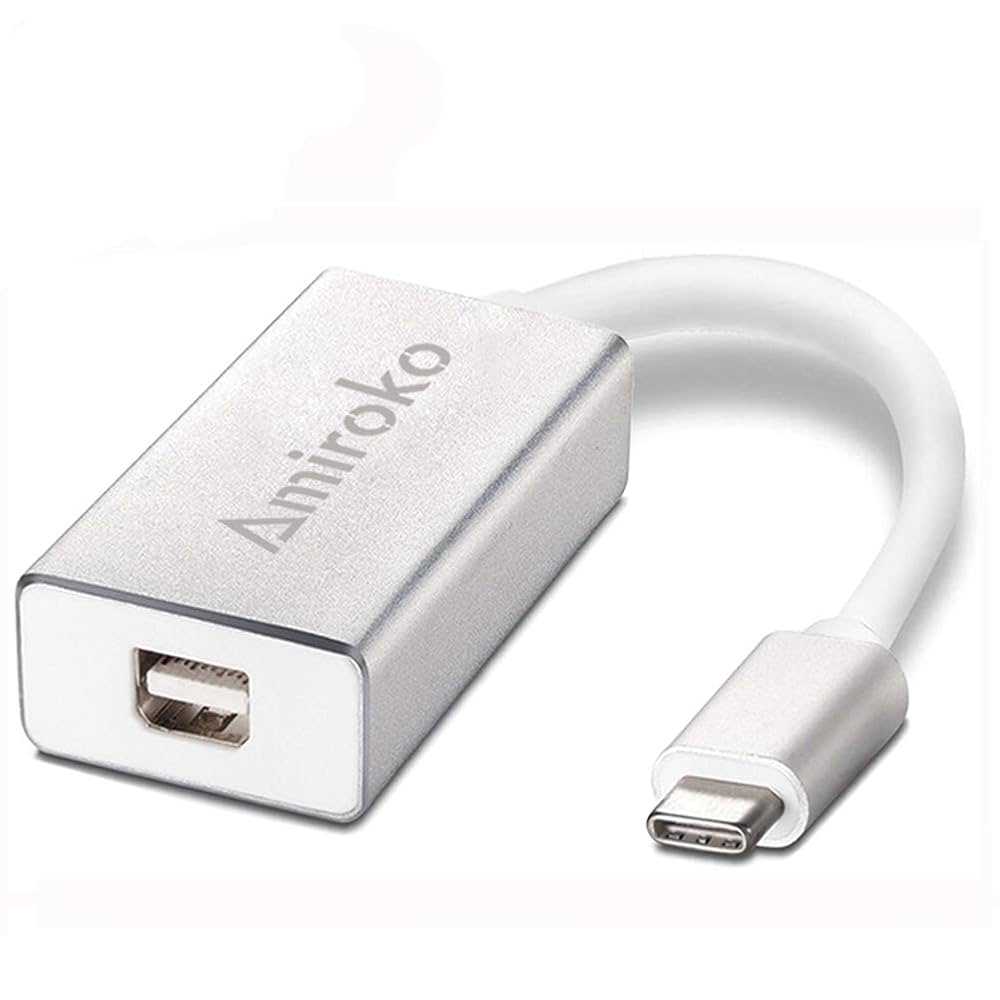
Yes, many mini LED monitors now support USB-C, making them more versatile and convenient for modern users. This feature allows for a single-cable connection that can transfer data, video, and power, streamlining your workspace and reducing clutter. Whether you’re a gamer, designer, or professional, USB-C compatibility ensures easier setup and increased flexibility.
Mini LED monitors are gaining popularity due to their stunning displays and advanced lighting technology, but one common question remains: do they support USB-C? The answer varies depending on the model, but many of the latest options are equipped with USB-C ports for easy connectivity. This means you can connect your laptop, smartphone, or other devices directly without needing extra adapters. As more manufacturers recognize the demand for simplified, clutter-free setups, USB-C support in mini LED monitors is becoming increasingly common, making them an excellent choice for those seeking both quality visuals and convenience.
Mini LED monitors are revolutionizing how we work and play, offering brighter images, better contrast, and more immersive visuals. As these displays become more sophisticated, their connectivity options are also improving. With USB-C support, users can enjoy the convenience of a single, streamlined connection that handles video output, data transfer, and charging simultaneously. This integration makes it easier than ever to set up your workspace or gaming station, minimizing cables and maximizing efficiency. Whether you’re upgrading your home office or seeking a portable display for on-the-go use, understanding whether mini LED monitors support USB-C can help you choose the perfect monitor that aligns with your needs and enhances your technology experience.

Do Mini LED Monitors Support USB C?
Understanding the Basics of Mini LED Monitors
Mini LED monitors are a recent innovation in display technology. They use tiny light-emitting diodes to backlight the screen, offering better contrast, brighter images, and more precise control over lighting areas. These features make them popular for gaming, professional work, and entertainment.
Unlike traditional LCDs, mini LED monitors can deliver richer colors and deeper blacks. They are designed to provide a more immersive viewing experience. With advancements, many models now include modern connectivity options, including USB C ports.
The Rise of USB C Connectivity
USB C has become the standard port for many electronic devices. It is versatile, fast, and capable of transmitting data, power, and video signals through a single cable. This simplifies connections, reducing clutter, and making setups easier.
In monitors, USB C offers several benefits. It allows users to connect laptops, smartphones, and tablets directly without needing extra adapters. Additionally, it can provide power to devices, which is especially useful for portable setups.
Do Mini LED Monitors Support USB C?
The answer depends on the specific model and manufacturer. Many modern mini LED monitors do include USB C ports, but not all do. When shopping for a mini LED monitor, it’s important to check the specifications for USB C support.
High-end models often feature USB C with DisplayPort or Thunderbolt compatibility. This allows for video transmission along with power delivery, making them suitable for a variety of devices. Budget options or older models may lack this feature.
Advantages of Using USB C with Mini LED Monitors
Using a USB C connection provides several advantages for mini LED monitor users.
- Single Cable Convenience: Transmit video, data, and power through one cable.
- Increased Portability: Perfect for portable workstations or travel setups.
- Fast Data Transfer: Supports high-speed data transfer for professional tasks.
- Power Delivery: Can charge compatible laptops or devices while in use.
- Enhanced Compatibility: Works seamlessly with modern laptops and smartphones that support USB C.
Key Features to Look for in a Mini LED Monitor with USB C
When choosing a mini LED monitor supporting USB C, consider several features to ensure it meets your needs:
- Video Resolution: Look for at least 4K resolution for crisp images.
- Refresh Rate: Higher refresh rates, such as 120Hz or more, improve gaming and smooth visuals.
- Color Accuracy: Important for professional photo or video editing.
- Power Delivery Support: Check the wattage support for charging your device.
- Compatibility with your Devices: Ensure the monitor supports your laptop or device’s USB C standards.
Limitations and Challenges of USB C on Mini LED Monitors
Despite the benefits, there are some limitations to keep in mind.
Compatibility Issues
Not all USB C ports support video output. Some only transfer data or charge devices, so verifying port specifications is crucial.
Limited Cable Quality
The quality of USB C cables can vary, affecting performance. Using certified cables ensures optimal transmission and power delivery.
Price Considerations
Mini LED monitors with USB C tend to be more expensive than those without. Investing in quality models may be necessary for reliable performance.
Connecting a Mini LED Monitor to Devices via USB C
Connecting your device to a mini LED monitor using USB C is straightforward if both support the same standards.
- Use a high-quality USB C cable compatible with video and power transmission.
- Ensure your device supports video output through USB C, such as DisplayPort Alt Mode or Thunderbolt.
- Connect the USB C cable from your device to the monitor’s USB C port.
- Adjust display settings on your device for optimal resolution and refresh rate.
Best Practices for Optimal Performance
To get the most out of your mini LED monitor with USB C support, follow these tips:
- Use certified or high-quality cables recommended by the monitor manufacturer.
- Update your device’s graphics drivers for compatibility and stability.
- Adjust display settings for color accuracy and brightness as needed.
- Ensure your device’s USB C port supports video output.
Related Topics and Future Trends
The support for USB C in mini LED monitors is a sign of ongoing technological progress.
Potential Future Developments
Expect more monitors to offer higher power delivery, faster data transmission, and enhanced display features. New standards like USB4 will further unify and improve interface capabilities.
Other Connectivity Options
While USB C is increasingly popular, some monitors may also include HDMI, DisplayPort, or Thunderbolt ports for greater compatibility.
Mini LED Monitors for Gaming and Content Creation
The ability to support USB C makes mini LED monitors ideal for mobile gaming setups and professional content creation, combining portability with high performance.
Summary
Many mini LED monitors support USB C, especially high-end models designed for professional use or portability. They offer a tidy, efficient connection method, consolidating video, data, and power into one cable. When choosing such a monitor, check for features like resolution, refresh rate, color accuracy, and compatibility to ensure it meets your needs. Despite some limitations, the trend toward USB C support continues to grow, providing users with convenient, versatile display options for various devices and scenarios.
Monitor Upgrade #dell #monitor #berlin #vscode #coding #javascript #java #intellij #worklife
Frequently Asked Questions
Can all mini LED monitors be connected via USB-C?
Not all mini LED monitors support USB-C connections. While many modern models include USB-C ports for convenience, some older or budget-friendly options might lack this feature. Always check the specifications before purchasing to ensure compatibility with your device.
What are the advantages of using a USB-C port on a mini LED monitor?
Using a USB-C port allows for a single-cable connection that transmits video, data, and power. This reduces clutter and simplifies setup, especially when connecting to laptops or devices that support USB-C. It also enables faster data transfer and charging capabilities, enhancing overall usability.
Are there any limitations when using USB-C with mini LED monitors?
While USB-C offers many benefits, some monitors may have limitations such as lower bandwidth or compatibility issues with certain devices. Additionally, not all USB-C ports support video output; some are solely for data transfer or charging. Verify that the port supports DisplayPort or Thunderbolt standards for optimal performance.
How do I know if my device can connect to a mini LED monitor via USB-C?
Check your device’s specifications to see if it supports video output over USB-C. Devices with Thunderbolt 3 or 4, or DisplayPort Alt Mode support are typically compatible. Refer to the user manual or manufacturer’s website for detailed information about USB-C capabilities.
Are there differences between USB-C and other connection types for mini LED monitors?
Yes, USB-C offers a versatile connection that combines video, power, and data transfer in a single port, unlike HDMI or DisplayPort which focus mainly on video. USB-C can reduce cable clutter and supports newer, more streamlined setups. However, compatibility depends on the monitor and device specifications.
Final Thoughts
Mini LED monitors are increasingly popular for their superior display quality.
Many models now include USB-C ports, allowing for easy connection and power delivery.
However, support for USB-C varies among brands and models.
do mini led monitors support usb c is a common question among users seeking versatile setups.
In summary, several mini LED monitors do support usb c, making them a convenient choice for modern devices.

With experience in IT support and consumer technology, I focus on step-by-step tutorials and troubleshooting tips. I enjoy making complex tech problems easy to solve.