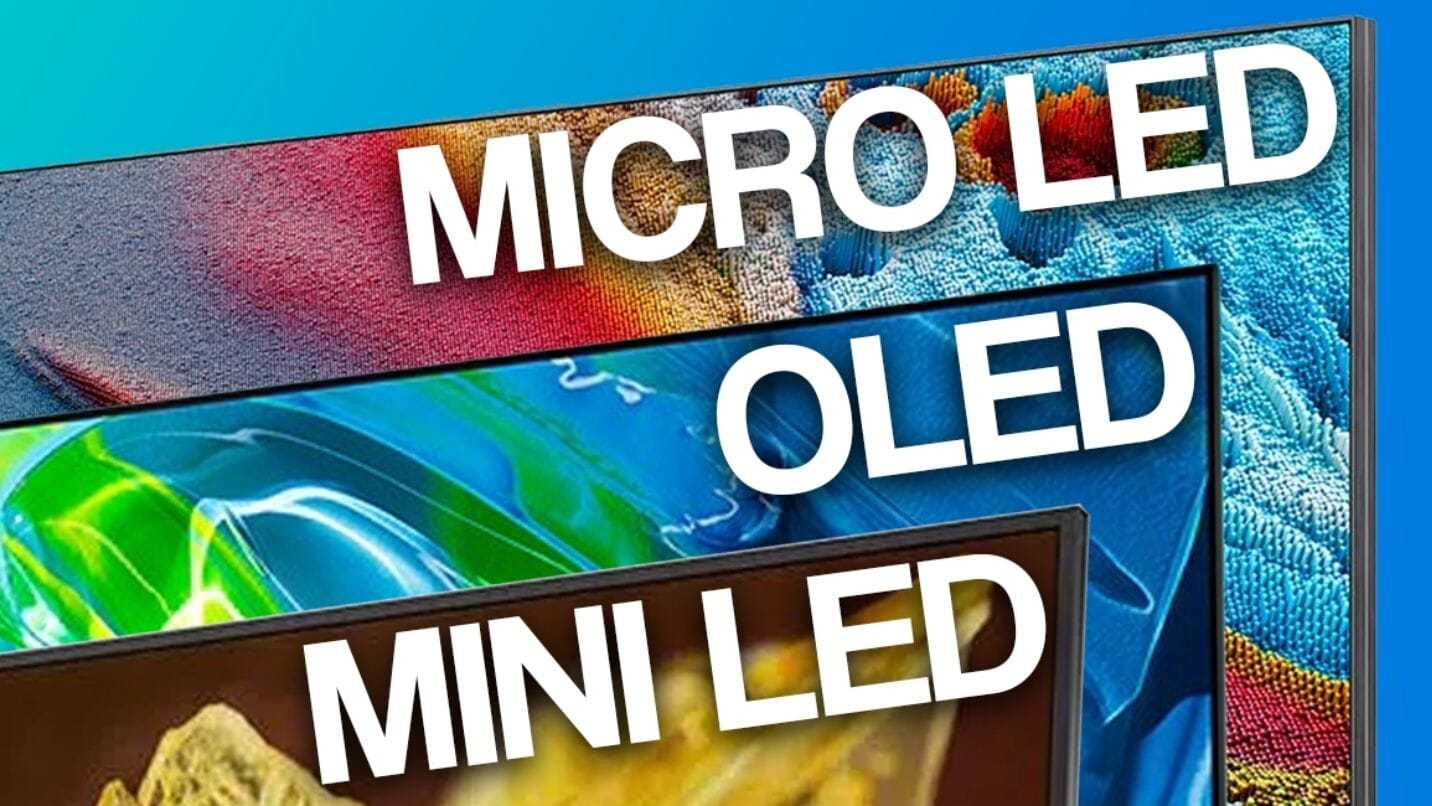
Mini LED monitors offer impressive brightness and contrast, making them a popular choice for gamers and professionals alike. However, Micro LED displays take it a step further with even better energy efficiency, color accuracy, and infinite contrast ratios, approaching the quality of OLEDs. In essence, Mini LED monitors are a great mid-range option, providing excellent performance at a lower cost, while Micro LED is the future of high-end display technology, promising near-perfect visuals and durability.
If you’re trying to decide which to invest in, it boils down to your needs and budget. Mini LED monitors deliver remarkable visuals for everyday use and are more affordable, whereas Micro LED is cutting-edge, offering unparalleled picture quality for those willing to pay a premium.
When comparing Mini LED and Micro LED monitors, it’s important to understand their differences and what they bring to the table. Mini LED technology uses thousands of tiny LEDs behind the screen to enhance contrast and brightness, without the high costs of OLEDs. Micro LED, on the other hand, features even smaller LEDs that can be individually controlled, resulting in superior contrast, color, and longevity. While Micro LED displays are still emerging and tend to be more expensive, they promise the best possible visual experience. Mini LED monitors, meanwhile, are currently more accessible and perfect for users who want high performance without the hefty price tag. Both technologies are transforming the display world, but your choice depends on your specific needs and budget.

How Do Mini LED Monitors Compare to Micro LED
Understanding the Basics of Mini LED and Micro LED Technology
Mini LED and Micro LED are both advanced display technologies with unique features. Mini LED uses thousands of small LEDs behind the screen to improve contrast and brightness. Micro LED takes this a step further with even smaller LEDs, offering more precise control over light production.
What Are Mini LED Displays?
Mini LED screens utilize LEDs that are about 100 to 200 micrometers in size. These tiny lights are arranged in thousands to millions, allowing for better local dimming. This results in deeper blacks and brighter highlights, rivaling high-end OLEDs in quality.
What Are Micro LED Displays?
Micro LED displays consist of LEDs that are less than 10 micrometers in size. These miniature lights are individual pixels, meaning each can emit its own light. This leads to virtually perfect black levels and excellent color accuracy, similar to OLED technology.
Size and Resolution Differences Between Mini LED and Micro LED
Both technologies support various screen sizes and resolutions, but their applications differ.
Mini LED Size and Usage
Mini LED panels are typically used in larger screens, such as gaming monitors, TVs, and high-end laptops. They can range from 27 inches to over 100 inches, with resolutions up to 8K in some models.
Micro LED Size and Usage
Micro LED is primarily used in large, high-resolution displays like digital billboards and premium TVs. It offers flexibility for very large sizes, often exceeding 100 inches, with resolutions comparable to or higher than Mini LED.
Brightness Capabilities and Contrast Ratios
Both technologies excel in brightness and contrast but differ in their maximum potential and efficiency.
Mini LED Brightness and Contrast
Mini LED monitors can reach peak brightness levels of 1000 to 2000 nits. Their local dimming zones help enhance contrast ratios, often exceeding 1,000,000 to 1, making images vibrant and detailed.
Micro LED Brightness and Contrast
Micro LED screens can surpass 3000 nits in brightness with contrast ratios that are effectively infinite. Because each pixel emits light independently, blacks are truly black, with no light bleed.
Color Accuracy and Visual Quality
Color reproduction is a key factor in display quality for both technologies.
Mini LED Color Reproduction
Mini LED displays support wide color gamuts, such as DCI-P3, and can display billions of colors. Their color accuracy is high, but slight limitations are due to backlighting and panel technology.
Micro LED Color Fidelity
Micro LED offers exceptional color accuracy with a wide color gamut and very high contrast ratios. Each pixel’s ability to emit its own light results in more vivid and true-to-life images.
Response Time and Refresh Rate
Fast response times and high refresh rates reduce motion blur, crucial for gaming and fast-paced videos.
Mini LED Response Features
Mini LED monitors generally have response times suitable for gaming, often around 1 to 4 milliseconds. They also support high refresh rates, reaching 120Hz or more.
Micro LED Response Features
Micro LED technology provides almost instantaneous response times, making it ideal for fast action scenes and high-performance gaming. Refresh rates are comparable to top-tier gaming monitors.
Durability and Longevity of Both Technologies
Long-lasting displays are essential for sustained use.
Mini LED Durability
Mini LED panels are robust, with a typical lifespan of 50,000 to 100,000 hours. They are less susceptible to burn-in compared to OLEDs.
Micro LED Longevity
Micro LED displays also boast impressive durability, often surpassing 100,000 hours of operation. Their inorganic LEDs resist burn-in and degradation, ensuring long-term performance.
Cost and Availability in the Market
Price points greatly influence consumer choice between these technologies.
Mini LED Pricing
Mini LED monitors are more affordable than Micro LED, with prices ranging from a few hundred to a few thousand dollars. They are widely available across various brands.
Micro LED Cost and Accessibility
Micro LED is still an emerging technology with high manufacturing costs. Prices are very high, often reserved for luxury or commercial applications, and availability is limited.
Power Consumption and Energy Efficiency
Efficiency can impact device portability and operating costs.
Mini LED Energy Use
Mini LED displays consume moderate power levels, thanks to localized dimming, which reduces energy waste during dark scenes.
Micro LED Energy Efficiency
Micro LED screens are highly energy-efficient because each pixel emits only the necessary light, reducing overall power consumption significantly.
Application Areas for Mini LED and Micro LED
Different applications benefit from the unique properties of each technology.
Mini LED Use Cases
Mini LED displays are ideal for high-end consumer electronics like gaming monitors, premium TVs, and professional content creation tools. Their relatively lower cost makes them accessible for more users.
Micro LED Use Cases
Micro LED is suited for large-scale displays such as advertising billboards, luxury residential TVs, and specialized commercial applications. Its durability and excellent image quality make it suitable for long-term outdoor use.
Future Trends and Market Outlook
Both technologies are evolving rapidly with promising developments on the horizon.
Mini LED Market Trends
Expect continued improvements in brightness, color range, and affordability. Mini LED will likely become standard in many high-end devices within a few years.
Micro LED Market Prospects
Micro LED aims to lower costs and increase production efficiency. As technology matures, it could become more widespread in consumer markets, offering next-level image quality at more accessible prices.
Summary of the Key Differences
Here is a quick comparison table highlighting core differences:
| Feature | Mini LED | Micro LED |
|---|---|---|
| Size of LEDs | 100-200 micrometers | Less than 10 micrometers |
| Black Level | Excellent, but slightly less than OLED | Perfect, true blacks |
| Brightness | Up to 2000 nits | Over 3000 nits possible |
| Color Accuracy | High, wide color gamuts | Exceptional, very vivid |
| Cost | Moderate, more affordable | High, premium pricing |
| Durability | Good, no burn-in | Excellent, inorganic LEDs |
| Availability | Widespread in the market | Limited, mostly in prototypes |
Summary of Advantages and Disadvantages
While both technologies offer remarkable features, they differ in key areas:
- Mini LED Advantages: More affordable, widely available, excellent brightness, and durability.
- Mini LED Disadvantages: Slightly less perfect blacks compared to Micro LED and OLED.
- Micro LED Advantages: Superior contrast, perfect blacks, higher energy efficiency, and longer lifespan.
- Micro LED Disadvantages: Currently very expensive and limited in availability.
Final Thoughts on Choosing Between Mini LED and Micro LED
Choosing between Mini LED and Micro LED depends on your budget and specific needs. If you’re looking for a high-quality display at a lower price, Mini LED offers great performance with less investment. For ultimate picture quality and longevity, and if budget isn’t a concern, Micro LED provides the best visual experience available today.
Whether opting for Mini LED or Micro LED, both technologies represent the future of display innovation. Their ongoing development ensures even better performance and affordability in the coming years, making stunning, vibrant screens accessible to more users worldwide.
Which Is Better, OLED or Mini LED Monitors!? And Whats The Difference?
Frequently Asked Questions
What are the key differences in brightness levels between mini LED and micro LED monitors?
Mini LED monitors generally offer higher overall brightness compared to micro LED displays. This is because mini LEDs are larger and can be grouped in greater numbers to produce more intense light output. Micro LED displays, on the other hand, focus on individual tiny LEDs, which makes achieving extremely high brightness levels more challenging. As a result, mini LED screens are often preferred for environments requiring bright visuals, such as HDR content playback.
How do the color accuracy and contrast ratios compare between mini LED and micro LED displays?
Micro LED displays typically provide superior contrast ratios due to their ability to produce true blacks, as each tiny LED can be turned off completely. This results in deeper blacks and more vibrant colors. Mini LED monitors, while capable of excellent contrast enhancements through local dimming, do not reach the contrast levels of micro LED displays. However, mini LED screens generally offer highly accurate color reproduction suitable for professional editing and multimedia consumption.
In terms of durability and lifespan, how do mini LED and micro LED screens differ?
Micro LED displays tend to have a longer lifespan because their tiny LEDs are highly durable and resistant to burn-in. They do not degrade quickly over time, maintaining their quality for many years. Conversely, mini LED monitors may experience some degradation in brightness and contrast over time, especially if used extensively for static images. Therefore, micro LED displays are often seen as more reliable for long-term use.
Which technology provides better scalability for large-sized displays?
Micro LED technology lends itself better to creating large-scale displays due to its modular nature. Manufacturers can assemble micro LED panels to form enormous, seamless screens without visible seams or bezels. While mini LED monitors are typically used for smaller to medium-sized screens, scaling up with mini LEDs involves larger backlight assemblies, which can be more cumbersome. For large displays, micro LED offers greater flexibility and a more uniform appearance.
How does power consumption compare between mini LED and micro LED displays?
Micro LED displays generally consume less power than mini LED monitors on a per-unit basis, mainly because they can turn off individual LEDs completely when displaying black or dark scenes. Mini LED monitors, despite improved efficiency over traditional LCDs, still consume more power, especially when displaying bright or high-contrast content. The energy efficiency of micro LED contributes to their suitability for applications where reducing power consumption is critical.
Final Thoughts
Mini LED monitors offer impressive brightness and contrast with a more affordable price than micro LED screens. They are suitable for most users who want high-quality visuals without the hefty cost.
Micro LED technology provides even better contrast, deeper blacks, and greater durability, but at a significantly higher price.
how do mini led monitors compare to micro led? Mini LED monitors excel in affordability and accessibility, while micro LED delivers superior performance and longevity.

With experience in IT support and consumer technology, I focus on step-by-step tutorials and troubleshooting tips. I enjoy making complex tech problems easy to solve.