
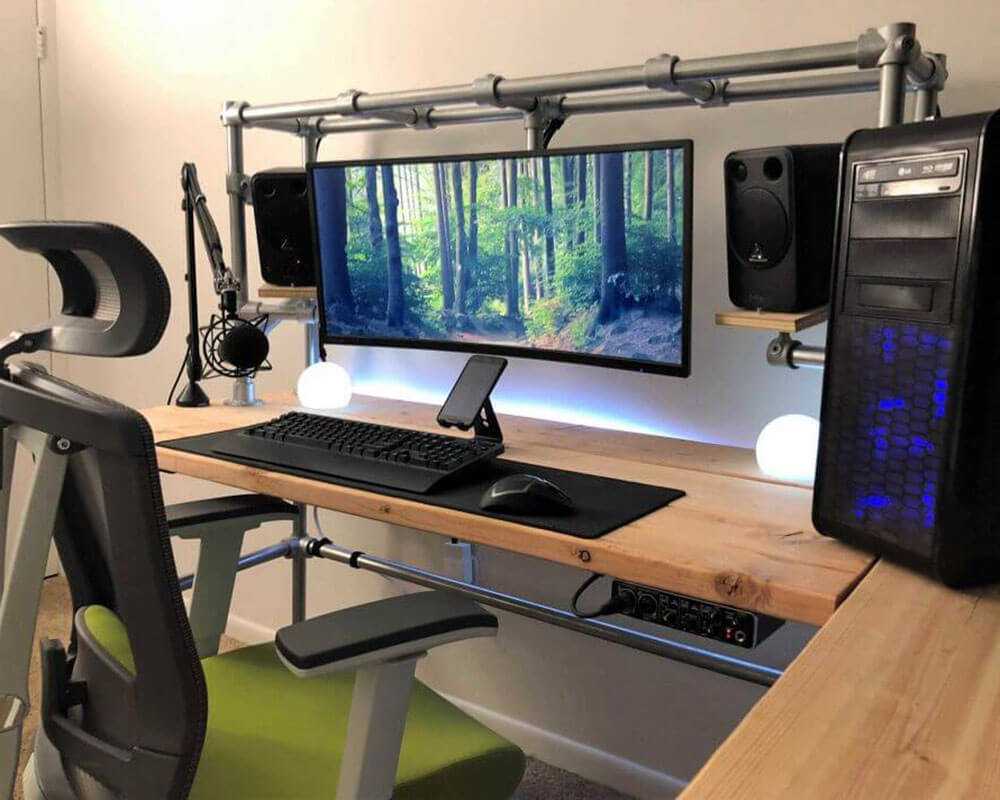
Are you looking to create the perfect gaming desk without breaking the bank? Building a homemade gaming desk is not only a fun project but also allows you to customize it to fit your space and gaming needs. With just a few materials and simple tools, you can create a desk that suits your style, whether you prefer a minimalist look or something more elaborate. Start by measuring your space to determine the right dimensions for your desk, and gather materials like wood, screws, and paint. With some basic woodworking skills and a little creativity, you’ll have a functional and stylish gaming desk that enhances your gaming experience and reflects your personality. Let’s dive into the steps to bring your dream desk to life!

How to Make a Homemade Gaming Desk
Creating a homemade gaming desk can be a rewarding project that offers you the opportunity to design a space that suits your gaming needs. With a little planning and some simple materials, you can create a desk that is both functional and aesthetic. In this guide, we will walk you through the steps involved in building your very own gaming desk. Let’s dive into the key aspects of how to make a homemade gaming desk.
Choosing the Right Materials
Before you start building your gaming desk, it is essential to choose the right materials. The type of materials you select will not only affect the desk’s appearance but also its durability.
- Wood: Plywood or solid wood are excellent choices for the desktop. They provide sturdiness and can be easily finished.
- Metal: Consider using metal brackets for additional support, especially if your desk will hold multiple monitors.
- Glass: For a modern look, consider a glass top. This option is sleek but requires careful handling.
Choosing high-quality materials will ensure your desk lasts for years. Pay attention to the thickness and weight capacity to suit your gaming setup.
Measuring Your Space
Before you start construction, measure the space where you plan to set up your gaming desk. This will help you determine the size of your desk.
- Consider the height you prefer for comfort.
- Measure the width and depth to fit your equipment.
- Account for enough room for your chair and movement.
Once you have your measurements, sketch a rough design to visualize your gaming desk layout.
Designing Your Desk
The design is crucial for both functionality and style. A thoughtful layout will make your gaming experience smoother.
Choosing a Style
Decide on a style that matches your personality and gaming setup. Here are some popular styles:
- Corner Desks: Ideal for maximizing space.
- Standing Desks: Great for a healthier gaming experience.
- Multi-Level Desks: Allows for different screen heights.
Think about how you will use the desk during gaming sessions. Your design should reflect your preferences.
Adding Features
Consider incorporating additional features into your desk design for better function.
- Cable Management: Designate areas to hide cables and keep them organized.
- Built-in Shelves: For games, consoles, or decorations.
- LED Lighting: To create an immersive gaming atmosphere.
These features can enhance the gaming experience, making your setup unique and practical.
Gathering Tools
Gathering the right tools is essential for a smooth building process. Here’s a list of tools you will likely need:
- Measuring Tape: For accurate measurements.
- Power Drill: For making holes and assembling pieces.
- Saw: To cut your wood to size—either a hand saw or a power saw works.
- Screwdriver: To fasten the screws.
- Sandpaper: For smoothing rough edges.
Ensure you have all your tools ready before you begin building to avoid interruptions.
Building the Desk Frame
The desk frame is the backbone of your gaming desk, providing support and stability.
- Start by cutting your wood to size according to your design.
- Assemble the frame using screws and brackets for additional support.
- Make sure it is level and sturdy before moving on to the desktop.
Taking your time during the framing process will ensure the desk can support your gaming gear without wobbling.
Attaching the Desktop
Once the frame is constructed, it’s time to attach the desktop. This step is straightforward but critical for overall stability.
- Secure the desktop to the frame using screws or brackets.
- Ensure the top is even and free from any wobble.
- Double-check that the desktop is the desired height.
Proper attachment guarantees that your gaming setup remains safe and sound.
Finishing Touches
Finishing touches can elevate your desk from ordinary to extraordinary.
- Sanding: Smooth any rough edges to prevent splinters.
- Staining or Painting: Apply paint or stain to match your room décor.
- Sealing: Use a sealant to protect the surface from spills.
These small details can make a huge difference in the overall appearance and longevity of your desk.
Organizing Your Gaming Setup
Now that your desk is built, it’s time to organize your gaming setup.
- Place your monitor at eye level to avoid strain.
- Arrange your keyboard and mouse for comfortable access.
- Utilize shelves or storage bins for games and accessories.
A well-organized setup not only looks good but also improves your gaming experience.
Customizing for Comfort
Comfort is key when gaming for extended periods. Consider these adjustments:
- Chair Height: Ensure your chair matches the desk height for ergonomic seating.
- Mouse and Keyboard Position: Keep them within easy reach to prevent strain.
- Footrest: Consider adding a footrest for added comfort.
Your comfort level can significantly impact your gaming sessions, so make adjustments as needed.
Maintaining Your Gaming Desk
Once your gaming desk is complete, maintenance is crucial to keep it looking great.
- Regularly clean the surface with a damp cloth.
- Check for loose screws and tighten them as needed.
- Reapply sealant or polish every few months to protect the surface.
Taking care of your desk will prolong its life and keep your gaming area looking pristine.
Building your own gaming desk can be a fun and fulfilling project. With the right materials, tools, and design, you can create a space that perfectly suits your gaming style. Enjoy your new setup!
DIY gaming desk #woodworking #diy #wood #carpenter #explore #reel
Frequently Asked Questions
What materials do I need to build a gaming desk?
To build a gaming desk, gather materials such as a sturdy tabletop, wooden or metal legs, screws, brackets for added support, sandpaper, wood glue, and a finish (like paint or varnish) to protect the surface. You might also want to include cable management solutions like clips or sleeves to keep cords organized.
How can I customize my gaming desk for better ergonomics?
To improve ergonomics, adjust the height of the desk and the chair. Ensure the monitor is at eye level to prevent strain on your neck. Use an adjustable chair that offers lumbar support. You can add a keyboard tray to position your keyboard at a comfortable height. Consider using a standing desk converter as well.
What shape is best for a homemade gaming desk?
The best shape for a homemade gaming desk depends on your space and preferences. A rectangular desk offers ample space for monitors and accessories. For corner setups, an L-shaped desk provides additional workspace without taking up too much room. A U-shaped desk can offer even more surface area if you have enough space.
How should I design my gaming desk for optimal cable management?
To design your gaming desk for optimal cable management, include holes for cables to pass through the tabletop. Use cable trays or clips underneath to keep cords off the floor. Arrange your devices in a way that minimizes visible wires, and consider using cable sleeves to bundle multiple cables together for a cleaner look.
What features should I add for a more enjoyable gaming experience?
Add features like RGB lighting for aesthetic appeal and mood enhancement. Built-in USB hubs allow for easy access to charge devices. You could also include a cup holder to keep drinks handy and a dedicated area for headphones. Consider integrating a wireless charging pad into the desktop for convenience.
Final Thoughts
Creating a homemade gaming desk allows you to customize your setup to fit your needs and style. Start by choosing the right materials and design that suits your space. Ensure you account for cable management and ergonomic features for comfort during long gaming sessions.
In conclusion, learning how to make a homemade gaming desk can enhance your gaming experience while saving money. With careful planning and creativity, you can build a desk that reflects your personal touch and meets all your gaming requirements.

I’m passionate about hardware, especially laptops, monitors, and home office gear. I share reviews and practical advice to help readers choose the right devices and get the best performance.
