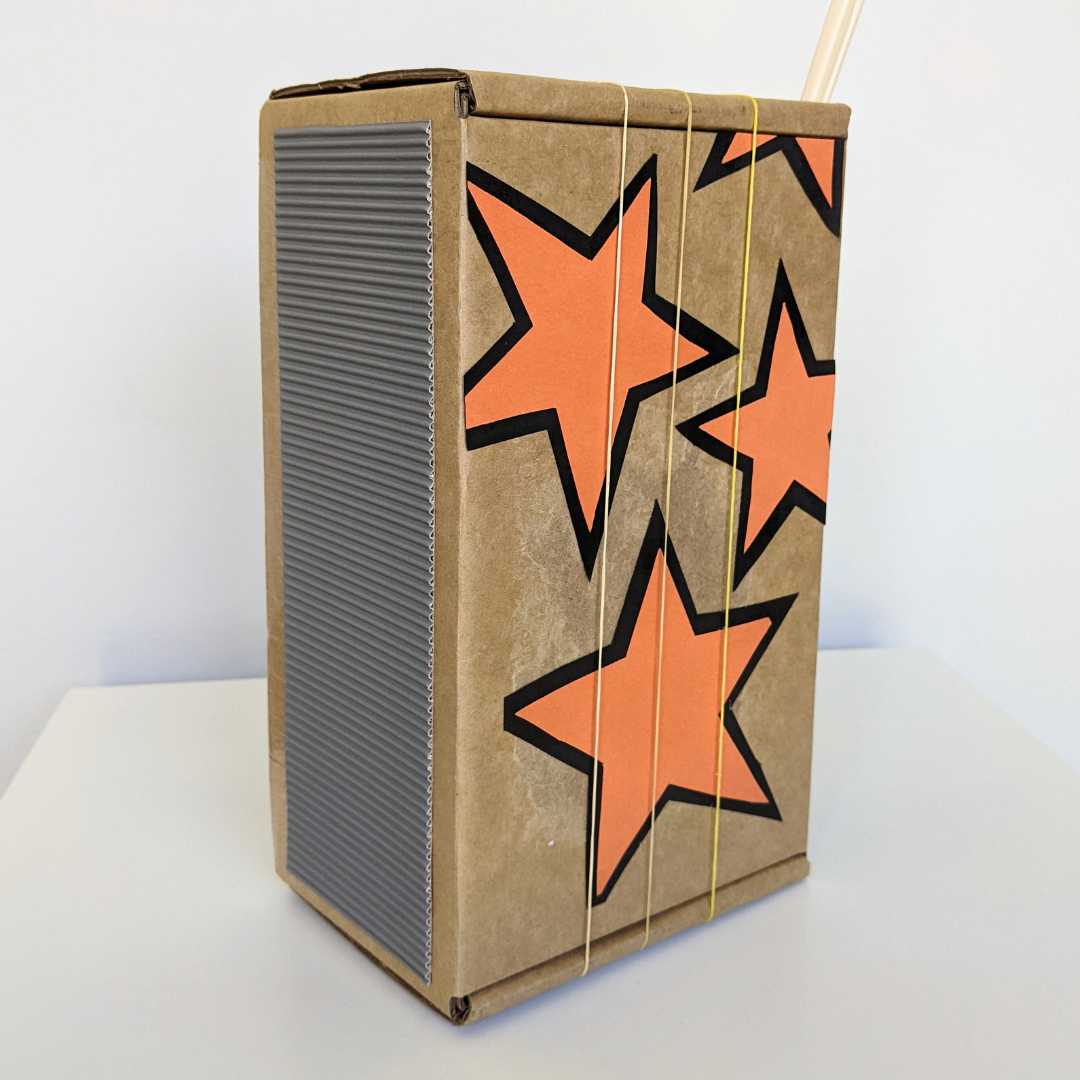
To make a music box sound, ensure the internal components are correctly aligned, the spring is wound tightly, and the tune disc is properly engaged with the comb. You can also clean and lubricate the moving parts to keep it playing smoothly.
In short, to make your music box produce sound, check the winding mechanism, make sure the tune disc is correctly positioned, and maintain the internal parts. Proper care and alignment are key to getting it to play beautifully again.
Getting your music box to sound enchanting again might seem tricky, but it’s easier than you think! Whether your music box has stopped playing or sounds muffled, a few simple steps can restore its melody. Often, the problem lies in the winding mechanism, the tune disc, or dust and dirt buildup. By understanding how these parts work together and performing some basic maintenance—like winding it properly, cleaning the teeth of the comb, or re-aligning the components—you can bring your cherished music box back to life. Patience and gentle handling are essential, but with these tips, you’ll be humming along to its tune in no time!

How to Make a Music Box Sound: A Complete Guide
Understanding the Basics of a Music Box Sound
Making a music box sound clear and melodic starts with understanding how these charming devices work. At their core, music boxes produce sound through tiny metal teeth called tines or combs that are plucked by a rotating cylinder or disc. The way these tines vibrate creates the musical notes we hear.
To produce a good sound, the materials of the comb and cylinder, as well as their tuning, play a vital role. The shape and size of the tines influence the tone, pitch, and resonance. Understanding these components helps you learn how to improve or modify the sound of a music box.
How the Mechanism Affects Sound Quality
The mechanics inside a music box determine its sound quality. These include the **cylinder or disc**, **tines or combs**, and **the drive mechanism**. The cylinder features pins that pluck the tines in a specific sequence.
Any change or damage to these parts can alter the sound. For example, a bent tine might produce a dull or off-key note, while a dirty mechanism can muffle the sound. Regular care and maintenance are essential for keeping the music box sounding its best.
Choosing the Right Materials for Better Sound
Materials used for the tuning comb and cylinder significantly impact the tone and clarity of the sound. Common materials include:
- Brass: Known for its bright, clear sound and durability.
- Steel: Offers a sharper tone but can rust if not treated properly.
- Aluminum: Produces a softer sound, often used in toy music boxes.
Opting for high-quality, well-made materials results in a richer, more resonant sound. Additionally, using materials with good vibration properties enhances the overall musical quality.
Adjusting the Tines for Better Sound
Proper tuning of the tines is key to making a music box sound its best. If the notes are off-key or muffled, try gently bending the tines upward or downward with precision tools.
Always proceed slowly to avoid breaking the tines. Fine-tuning might involve adjusting the length and angle of each tine, which can significantly improve clarity and pitch. Remember: small adjustments can make a big difference.
Cleaning and Maintaining Your Music Box
Regular cleaning helps keep the sound clear and prevents dust or debris from muffling the notes. Use a soft cloth to wipe the exterior and a small brush or compressed air for internal parts.
Avoid using harsh chemicals, which can damage delicate components. Lubricate moving parts sparingly with a light oil if needed, but do not overdo it. Proper maintenance preserves the quality of sound over time.
Enhancing Sound with External Effects
You can also influence the sound of your music box by adding external elements. For example, placing the music box inside a resonant box or container can amplify the sound.
Adding a small acoustic chamber or using reflective surfaces can enrich the tone. Some enthusiasts experiment with different enclosures to create a fuller, warmer musical experience.
Modifying the Sound with External Devices
To customize the sound further, consider using external audio equipment. Connecting your music box to a microphone and amplifier can significantly boost volume and clarity.
You can also record the music box sound and apply audio effects such as reverb or equalization. Digital editing allows for creative adjustments that can make your music box sound unique.
Experimenting with Tuning and Repair
Tuning a music box involves meticulous adjustments to each tine to achieve the desired pitch and tone. Use a tuning fork or a digital tuner to guide your modifications for precise tuning.
If the sound quality deteriorates over time, repairing or replacing worn parts might be necessary. Sometimes, swapping out tines or cleaning internal mechanisms restores the original sound quality.
Upgrading the Music Box for Better Sound
High-quality music boxes often feature better-tuned components and more intricate mechanisms. Upgrading parts, such as replacing the comb with a finely tuned one, can improve sound clarity.
Investing in a well-made music box with a durable mechanism ensures longevity and superior sound. Additionally, newer models often incorporate enhancements that produce richer and more vibrant music.
Troubleshooting Common Sound Issues
If your music box sounds dull, uneven, or off-key, inspect the components for damage or dirt. Bent tines, rust, or debris can cause sound issues.
Adjust or replace damaged parts carefully. Regular cleaning and gentle handling also prevent future problems, helping your music box sound its best.
Additional Tips for Making Your Music Box Sound Its Best
– Keep your music box in a stable environment, away from extreme temperatures and humidity.
– Play the music box regularly to prevent parts from becoming stiff or stuck.
– Handle all adjustments with care, especially when bending or tuning tines.
– Consult repair guides or professionals for complex repairs or tuning if unsure.
Following these tips ensures your music box maintains its beautiful sound for years to come. Remember, patience and careful handling are key to achieving the perfect tone.
How to make a custom music box
Frequently Asked Questions
How can I adjust the tension of a music box to improve its sound?
You can alter the tension of a music box by gently turning the regulator screw or adjusting the spring mechanism, depending on your model. Increasing tension makes the tune play louder and more vibrantly, while reducing tension softens the sound. Be cautious to make small adjustments gradually to prevent damaging the delicate components.
What techniques can I use to clean and maintain a music box for better sound quality?
Use a soft, lint-free cloth to wipe dust and debris from the exterior and the moving parts. For internal components, gently remove dust with a small brush or compressed air. Avoid using harsh chemicals that could damage the mechanism. Regular cleaning ensures the parts move smoothly, which helps produce clearer sounds and prolongs the music box’s lifespan.
Are there specific ways to modify the tune or enhance the sound of a music box?
To adjust the tune, you can replace or modify the internal cylinder or disc with one that has different pins or teeth. For enhancing sound quality, ensure the music box is well-oiled at pivot points and that no parts are loose. Upgrading the soundboard or adding acoustic enhancements around the box can also improve the richness and clarity of the music.
What steps should I take if my music box sounds distorted or inconsistent?
First, check for dust, dirt, or debris obstructing the mechanism and clean carefully. Next, inspect the spring and gears for signs of wear or misalignment, and lubricate moving parts with appropriate oil. If the sound remains distorted, consider consulting a professional restorer who can precisely repair or replace damaged components to restore proper function.
Final Thoughts
Pour faire en sorte qu’une boîte à musique sonne, ajustez la languette pour modifier la tonalité. Vérifiez que la boîte est en bon état et que le mécanisme tourne librement. La qualité du son dépend aussi de la taille et de la conception de la boîte.
Ensuite, assurez-vous que le papier perforé ou le cylindre est propre et bien positionné. Nettoyez régulièrement pour maintenir un son optimal. La répétition et l’entretien permettent d’améliorer la clarté du son.
En conclusion, faire en sorte qu’une music box sound dépend d’un bon entretien et de réglages précis. Pour y parvenir, il est essentiel de connaître comment faire une music box sound.

I follow the latest trends in smart devices, portable monitors, and gaming accessories. My goal is to provide real-world insights that help readers make smarter tech decisions.