


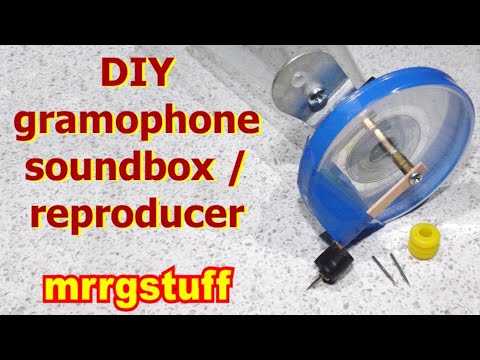
Do you ever wonder how to make a gramophone sound box? Well, you’re in the right place! In this article, we’ll guide you through the process of crafting your very own gramophone sound box from scratch. Whether you’re a lover of vintage technology or simply curious about the inner workings of this iconic device, this step-by-step tutorial will provide you with all the necessary information. So, let’s dive right in and explore the fascinating world of gramophone sound boxes!

How to Make a Gramophone Sound Box: A Comprehensive Guide
The gramophone sound box is a crucial component of the iconic gramophone, responsible for converting the grooves on a record into audible sound. By understanding the intricate workings of a gramophone sound box and learning how to make one yourself, you can breathe new life into your vintage gramophone and experience the timeless charm of analog music. In this comprehensive guide, we will walk you through the step-by-step process of creating your own gramophone sound box, from gathering the necessary materials to assembling and fine-tuning the final product.
Gathering the Materials
Before diving into the construction process, it is important to have all the necessary materials on hand. Here is a list of the main components you will need to create a gramophone sound box:
- Diaphragm
- Stylus
- Sound box body
- Connecting wires
- Screwdriver or small wrench
- Adhesive
- Small drill or hole punch
- Replacement screws or fasteners (if needed)
It’s worth noting that the specific materials and tools required may vary depending on the design of your gramophone sound box. Ensure you have the correct components based on the instructions provided with your kit or plans.
Building the Gramophone Sound Box
Now that you have all the materials, let’s dive into the step-by-step process of building your gramophone sound box:
- Start by carefully examining the diaphragm, which is responsible for converting the vibrations from the stylus into sound waves. Ensure it is free from any damage or deformities. If needed, replace it with a new diaphragm.
- Attach the diaphragm to the sound box body using adhesive. Follow the manufacturer’s instructions for the specific adhesive you are using, as drying times and application techniques may vary.
- Next, install the stylus onto the sound box body. This small needle-like component is responsible for tracing the grooves of the record and producing vibrations. Secure it firmly according to the manufacturer’s instructions or design specification.
- Connect the diaphragm and the stylus with the appropriate wires. Depending on the design, you may need to solder or use connectors to establish the electrical connection. Ensure the connections are secure and free from any loose wires.
- If necessary, drill or punch holes in the sound box body to accommodate screws or fasteners for additional stability. This step might not be required for all sound box designs, so refer to your specific plans or kit instructions.
- After assembly, carefully test the gramophone sound box by attaching it to a record player or gramophone. Ensure that the stylus moves freely along the grooves and that sound is produced when the record is played. Make any necessary adjustments to the stylus position or connections for optimal performance.
Fine-Tuning and Maintenance
Once you have successfully constructed your gramophone sound box, it is important to fine-tune and maintain it to ensure optimal performance and longevity. Here are some helpful tips:
- Regularly clean the stylus and diaphragm with a soft brush or specialized cleaning solution to remove accumulated dust or dirt. This helps maintain the sound quality and prevents damage to your records.
- Keep an eye on the wear and tear of the stylus. If you notice any signs of damage or reduced performance, replace it with a new one promptly.
- Periodically inspect the wiring connections for any signs of loosening or corrosion. Tighten or replace them as needed to maintain a secure electrical connection.
- Store your gramophone sound box in a safe and dust-free environment when not in use. This helps protect it from unnecessary damage or degradation.
By following this comprehensive guide, you can now create your own gramophone sound box and revive the enchanting music experience of the past. Remember to gather all the necessary materials, carefully assemble the components, and fine-tune and maintain your sound box for optimal performance. Enjoy the warm, nostalgic sound of your favorite records and appreciate the craftsmanship involved in creating this timeless piece of audio technology.
DIY soundbox #4 – for HMV Gramophone
Frequently Asked Questions
What materials are needed to make a gramophone sound box?
To make a gramophone sound box, you will need the following materials:
- A wooden box or frame
- A gramophone horn
- A stylus or needle
- A diaphragm or sound membrane
- A sound chamber
- Connecting wires
- Adhesive
How do I assemble the gramophone sound box?
To assemble the gramophone sound box, follow these steps:
- Attach the gramophone horn to the wooden box or frame securely using adhesive.
- Place the sound chamber in the box, ensuring it fits properly.
- Attach the diaphragm or sound membrane to the sound chamber using adhesive.
- Connect the stylus or needle to the diaphragm, ensuring it is firmly attached.
- Connect the other end of the stylus or needle to the sound chamber using connecting wires.
- Ensure all the connections are secure and the components are properly aligned.
What is the purpose of the diaphragm in a gramophone sound box?
The diaphragm in a gramophone sound box plays a crucial role in converting mechanical vibrations into sound. When the stylus or needle moves over the grooves of a record, it causes the diaphragm to vibrate. These vibrations are then amplified through the horn, producing audible sound.
Can I use any type of horn for a gramophone sound box?
While it is possible to experiment with different types of horns, it is recommended to use a horn specially designed for gramophones. These horns are designed to optimize the sound quality and volume produced by the gramophone sound box. Using a horn not suitable for gramophones may result in inaccurate sound reproduction.
Do I need any special tools to make a gramophone sound box?
Basic tools such as a screwdriver, pliers, and adhesive are usually sufficient to assemble a gramophone sound box. However, it may be helpful to have woodworking tools if you plan to create a custom wooden frame or box for the sound box.
Final Thoughts
To make a gramophone sound box, start by gathering the necessary materials and tools, such as a needle, cantilever, and housing. Begin assembling the components by attaching the cantilever to the needle and securing them in the housing. Ensure a proper alignment for optimal sound quality. Additionally, select a suitable cartridge and stylus that match the sound box’s specifications. Lastly, connect the sound box to the tonearm of the gramophone, ensuring a secure and stable connection. By following these steps, you can create a functional and effective gramophone sound box.



