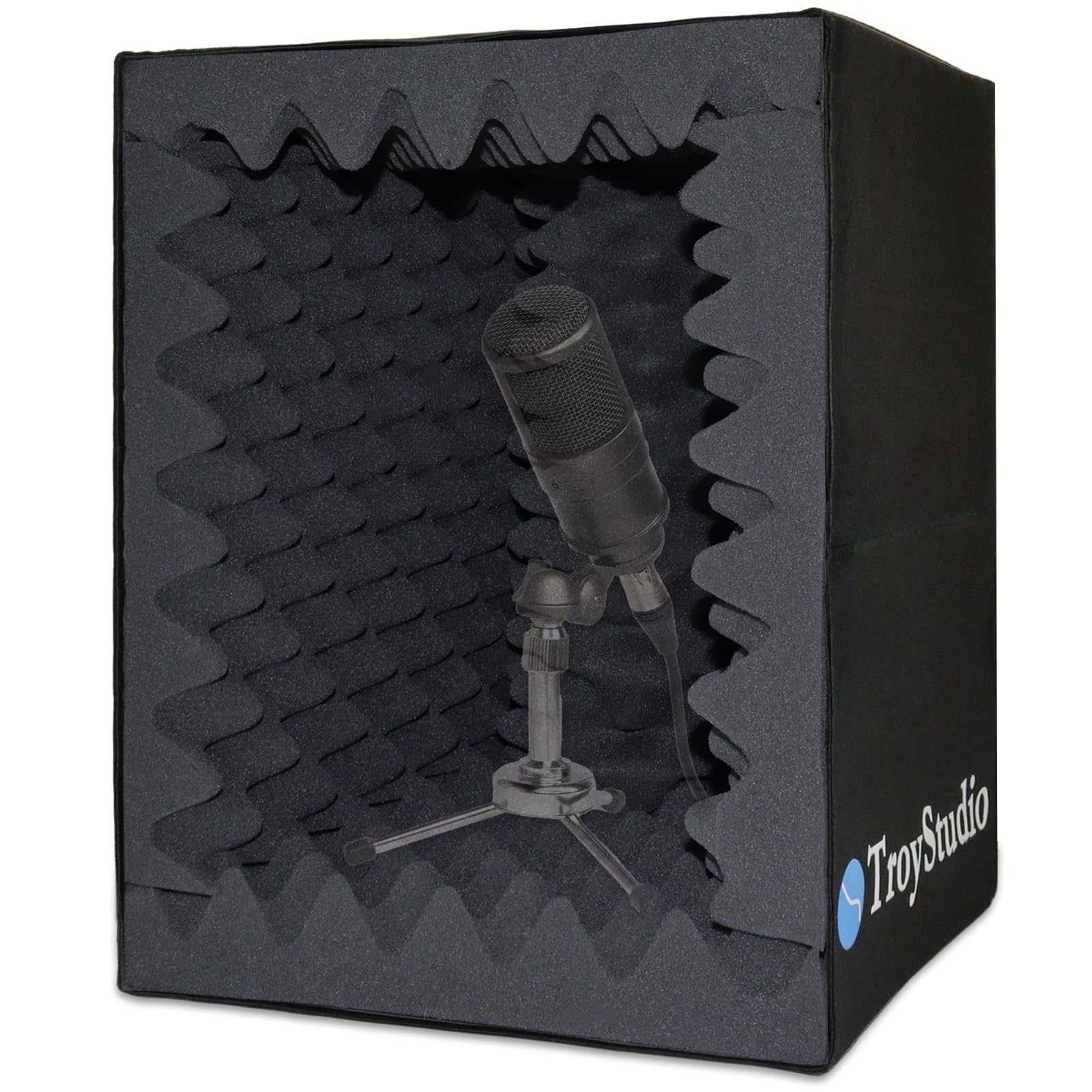
To use a portable sound box with a microphone, simply connect the microphone to the sound box using the designated jack or wireless connection. Power on the device, adjust the volume settings, and test the microphone to ensure clear sound. It’s also helpful to position the microphone properly and set the sound levels to avoid feedback or distortion. Whether for singing, speeches, or announcements, these simple steps will have you ready in no time!
If you want to use a portable sound box with a microphone, start by connecting your microphone to the sound box through the appropriate port or via Bluetooth if it’s wireless. Turn on both devices, adjust the volume and microphone settings, and perform a quick soundcheck to make sure everything sounds right. Keep your microphone close when speaking or singing, and tweak the volume for optimal clarity. With these easy tips, you’ll be ready to amplify your voice effortlessly wherever you go.
Using a portable sound box with a microphone can seem intimidating at first, but it’s actually quite straightforward. These devices are designed for convenience, whether you’re giving a speech at a park, singing at a gathering, or making an announcement at an event. As soon as you power up the sound box, connect your microphone—either by plugging it into the designated port or pairing it wirelessly via Bluetooth. Next, turn on the microphone, adjust the volume levels on the sound box, and do a quick test to check sound quality. Position your microphone correctly, usually a few inches from your mouth, and make small adjustments to get the best sound. With a little practice, you’ll be able to use your portable sound system confidently to project your voice in any setting.

How to Use Portable Sound Box with Microphone
Understanding the Components of a Portable Sound Box
A portable sound box is a compact device designed to amplify sound during performances, speeches, or gatherings. It usually includes a built-in speaker, control panel, and various input ports. The microphone is an external device that connects to the sound box to capture voice or sound. Knowing each component helps in setting up and using the system effectively.
Choosing the Right Portable Sound Box and Microphone
Before you begin, select a sound box that matches your needs. For small gatherings, a sound box with moderate wattage and battery life is sufficient. For larger events, opt for models with higher power output. When selecting a microphone, decide between wired or wireless options. Wireless microphones offer more mobility, while wired microphones tend to be more affordable and reliable.
Preparing Your Equipment for Use
Ensure your sound box is fully charged or connected to a power source. Check that the microphone’s batteries are fresh or properly charged. Inspect all cables and connections to prevent issues during operation. Keep the microphone and sound box in a dry, dust-free environment before use.
Connecting the Microphone to the Sound Box
Most sound boxes have specific input ports labeled ‘Mic,’ ‘Microphone,’ or ‘Input.’ Use the appropriate cable—usually a 3.5mm jack or XLR connector—to connect your microphone. Insert the cable firmly into the port, making sure there is a snug fit. For wireless mics, ensure the receiver is properly paired with the microphone before connecting to the sound box.
Adjusting Sound Levels and Settings
Once connected, turn on the sound box and microphone. Locate the volume or gain controls, often labeled as ‘Mic Volume’ or ‘Gain.’ Gradually increase the volume to avoid feedback or distortion. Use equalizer settings if available to fine-tune treble, bass, and mid-range. Always test the sound at a low volume first before increasing it to desired levels.
Testing the Audio to Prevent Feedback
Feedback happens when the microphone picks up sound from the speaker and creates a high-pitched squeal. To prevent this, keep the microphone away from the speaker. Use the sound box’s feedback suppression features if available. Adjust the microphone’s position and volume carefully during testing. Make small adjustments until clear sound is achieved without feedback.
Using the Portable Sound Box for Different Purposes
Depending on your event, customize your setup. For speeches, keep the microphone close to your mouth. For music performances, connect additional instruments if compatible. When using for karaoke, ensure the sound box supports microphone input and has echo effects. Always read the user manual for specific features related to your model.
Charging and Maintaining Your Equipment
Regularly charge your sound box to ensure it is ready for use. Store the microphone and sound box in a safe, dry place when not in use to prevent damage. Clean the microphone with a soft cloth to remove dust or saliva buildup. Check cables periodically for wear and replace if damaged to maintain sound quality.
Tips for Optimal Sound Performance
Position the microphone correctly—avoid obstructing it with clothes or hands. Keep the sound box at an appropriate distance from walls or corners to prevent echo. Use the echo or reverb effects judiciously to enhance sound without causing confusion. Practice speaking or singing with the setup to become familiar with its performance.
Additional Features to Explore
Many portable sound boxes include Bluetooth connectivity, allowing you to play music directly from your device. Explore options like USB ports for adding external storage or SD card slots for music playback. Some models offer recording features, letting you record speeches or performances directly onto a USB or SD card. Knowing these features can expand your usage possibilities.
Troubleshooting Common Issues
If you experience no sound, check all connections and ensure the device is powered on. If feedback persists, reposition the microphone or lower the volume. For poor sound quality, inspect cables for damage or loose connections. Restart the device if it becomes unresponsive, and consult the user manual for specific troubleshooting tips.
Enhancing Your Experience with Accessories
Use microphone windshields or pop filters during outdoor or noisy environments to improve sound clarity. Carry extra cables and batteries to handle unforeseen issues. Consider investing in a carrying case for easy transport and protection. Accessories like stands or microphone clips can also help position the microphone more comfortably.
Safety Precautions and Best Practices
Avoid exposing the sound box and microphone to water or extreme temperatures. Handle all components with care to prevent damage. Keep volume levels at a reasonable level to protect your hearing and prevent disturbance to others. Always turn off the equipment after use to conserve battery life and ensure safety.
Using a portable sound box with a microphone is straightforward once you understand the components and setup process. Proper connection, sound adjustment, and maintenance are key to achieving clear, loud audio. With practice, you can efficiently handle your sound system for various events, ensuring everyone hears you well.
How to use a phone as a Mic for Bluetooth Speakers | Great for classrooms, Seminars & Parties
Frequently Asked Questions
How can I connect my microphone to the portable sound box?
First, locate the microphone input port on the sound box, usually labeled as ‘Mic In’ or with a microphone icon. Plug the microphone’s connector into this port securely. If your microphone uses a different connector, you may need an adapter to match the input type. Once connected, ensure the microphone is powered on if it has an independent power source, and then test the connection by speaking into the microphone to see if the sound registers on the device.
What settings should I adjust on the sound box for optimal microphone use?
Adjust the microphone volume or gain control to ensure your voice sounds clear without distortion. Use the equalizer settings if available to fine-tune the sound quality. Also, enable any noise suppression features if your device offers them to reduce background noise. Make small adjustments and perform test recordings or live tests to find the best balance for your environment.
How do I connect multiple microphones to a portable sound box?
Check if your sound box has multiple microphone input ports or a mixer feature. If it has multiple ports, connect each microphone to a separate input, and adjust the individual volume controls as needed. If it lacks multiple inputs, consider using an external mixer that connects to the sound box, allowing you to control several microphones simultaneously. Ensure that power and input levels are appropriately set to prevent feedback or distortion.
What should I do if my microphone isn’t picking up sound when connected to the sound box?
First, verify that the microphone is properly connected and powered on if necessary. Check the microphone’s cable and connector for damage. Adjust the input volume or gain on the sound box to ensure it’s turned up sufficiently. Test the microphone with another device to confirm it works. If issues persist, inspect the sound box’s input port for debris or damage, and try connecting a different microphone to identify whether the problem lies with the device or the microphone.
Can I use a wireless microphone with my portable sound box?
Yes, you can use a wireless microphone with your sound box if it has an appropriate receiver or input port. Connect the receiver to the microphone input on the sound box, ensuring it pairs correctly with the wireless transmitter. Power on both devices, and perform a sound check to confirm the microphone is transmitting properly. Keep in mind that wireless microphones may introduce some latency or interference, so test everything before use in a live setting.
Final Thoughts
Using a portable sound box with microphone involves simple steps. First, connect your microphone to the device using the appropriate port. Next, power on the sound box and adjust the volume for clear sound.
Ensure the microphone is properly positioned for optimal sound pickup. Test the setup by speaking into the microphone and checking the output.
In conclusion, understanding how to use portable sound box with microphone helps improve your audio experience effectively. Focus on proper connections, placement, and settings for the best results.

I follow the latest trends in smart devices, portable monitors, and gaming accessories. My goal is to provide real-world insights that help readers make smarter tech decisions.