
Yes, most people cannot distinguish a 10-bit color depth from lower bit depths like 8-bit with the naked eye. The difference is subtle and often requires specialized equipment or very close inspection to notice.
A 10-bit color depth offers a wider range of colors compared to the common 8-bit, but whether the average person can see this difference is debatable. While tech enthusiasts and professionals working in fields like photography and video editing might appreciate the enhanced color quality, everyday viewers typically won’t perceive the increased color subtlety. Overall, for most people, the visual difference between 8-bit and 10-bit remains largely imperceptible, making the transition more relevant for specific professional uses rather than casual viewing.
If you’re curious whether you can see the difference in color depth, the answer depends largely on your equipment and your visual acuity. For the majority, it’s a technical enhancement rather than a noticeable visual change.

Is 10 Bit Color Depth Visible to Human Eye?
Understanding Color Depth and Its Significance
Color depth, also called bit depth, describes how many colors a display can produce. In simple terms, it tells us how many different shades of color are possible for each pixel on a screen. A higher bit depth means more colors and smoother transitions between shades, leading to more realistic images.
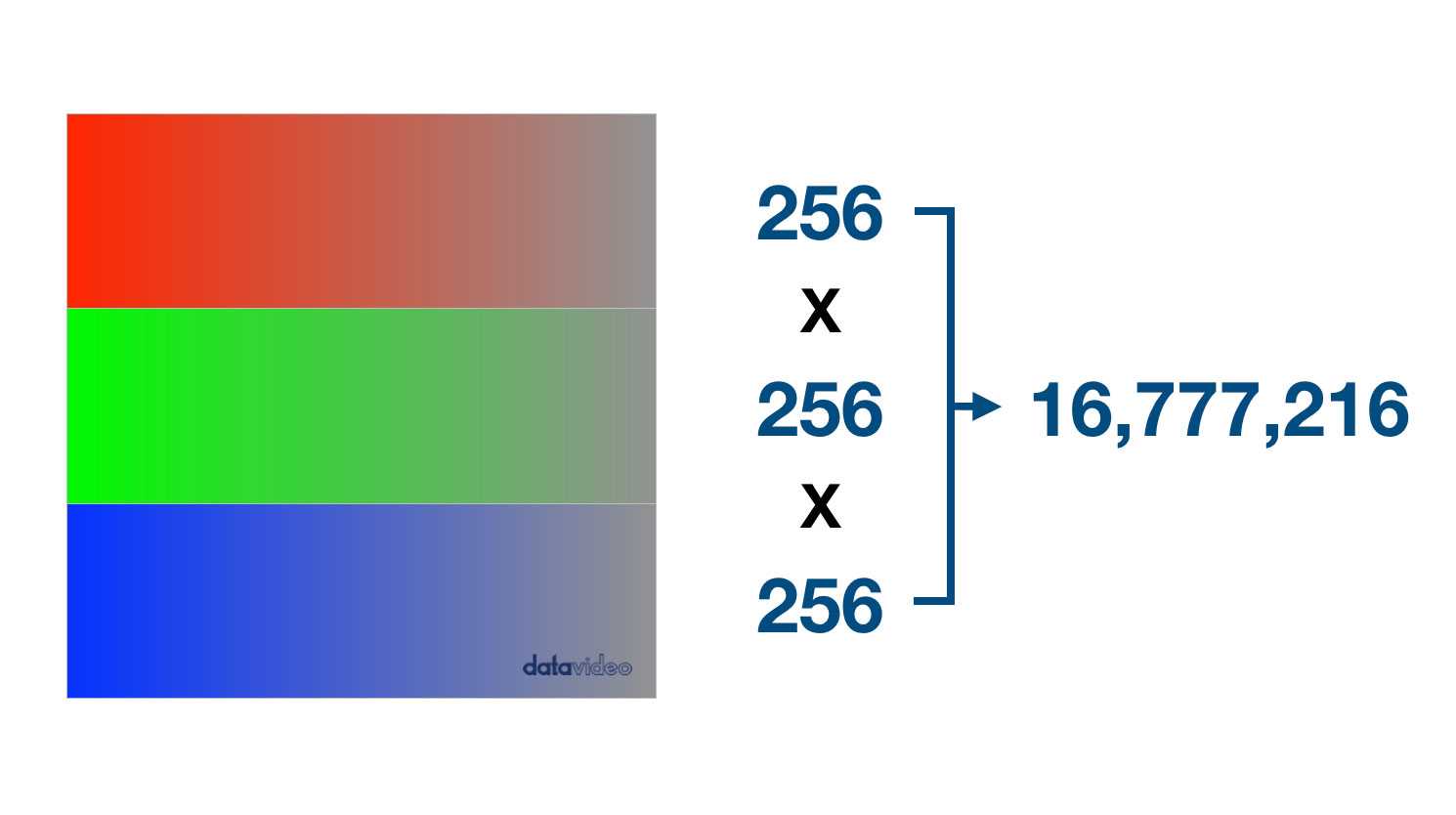
For example, a display with 8-bit color depth can show up to 16.7 million colors. In contrast, a 10-bit display can display over a billion colors, making images look more vibrant and detailed. But the big question is if our eyes can actually see those extra shades.
What Does 10 Bit Color Depth Mean?
10-bit color depth means each pixel can display 1024 shades per color channel—red, green, and blue. Multiplying these together gives more than 1 billion total colors for each pixel. This is a significant increase compared to 8-bit, which only allows 256 shades per channel.
This larger palette results in smoother color gradients, reducing banding—those visible steps between color shades. Especially in scenes with subtle color changes, 10-bit color offers a much more natural look.
How the Human Eye Perceives Color
Our eyes can differentiate millions of colors, but identifying every shade isn’t straightforward. The ability to perceive subtle differences depends on lighting, contrast, and individual eyesight.
Typically, human vision cannot distinguish more than approximately 7 million colors. However, in practice, many people cannot see the difference between 8-bit and higher bits in everyday use because the extra shades are often too subtle.
Can the Human Eye Detect 10 Bit Color Depth?
The answer is nuanced. Under ideal conditions, trained observers might notice smoother gradients and richer images in 10-bit content. But for most people, the difference is often indistinguishable in regular viewing conditions.
The human eye is more sensitive to brightness differences than slight color variations. Therefore, unless you’re viewing very high-quality images or videos on a compatible display, the 10-bit advantage may not be visible.
Situations Where 10 Bit Color Depth Makes a Difference
While general viewers might not see the difference routinely, certain scenarios highlight its benefits:
- Professional photo editing: Artists can fine-tune colors without encountering banding or posterization.
- Video production: Filmmakers use 10-bit color for more realistic and detailed footage.
- Gaming: High-end games can display more vivid and smooth color shades with compatible hardware.
- Medical imaging and scientific applications: Precise color variations are crucial for accurate analysis.
In these cases, visual differences become more apparent, and the value of 10-bit color becomes clear.
Technical Requirements for Viewing 10 Bit Content
To see the benefits of 10-bit color depth, certain hardware and software must be in place:
- Compatible display: A monitor or TV that supports 10-bit or higher color depth.
- Graphics card: A GPU capable of processing 10-bit output.
- Content source: Media that is encoded with 10-bit color information, like certain Blu-ray discs or streaming content.
- Software support: Applications and operating systems that can handle and display 10-bit color properly.
Without these components, content may be downsampled to 8-bit or lower, negating the benefits.
How 10 Bit Color Improves Image Quality
The primary advantage is the reduction of color banding, especially in gradient-heavy images like skies or sunsets. It results in smoother transitions and more natural-looking visuals.
Furthermore, 10-bit color allows more precise color gradation, which can significantly impact professional workflows. This accuracy ensures that images and videos maintain fidelity across different devices and platforms.
Limitations and Challenges of 10 Bit Color Depth
Despite its advantages, 10-bit color depth also presents certain challenges:
- Hardware costs: Displays and GPUs supporting 10-bit color tend to be more expensive.
- Content availability: Not all media is produced in 10-bit, limiting immediate benefits for many users.
- Software compatibility: Not all applications or browsers support 10-bit output, affecting the visibility of improvements.
- Processing power: Rendering 10-bit content requires more GPU resources, which may impact performance.
These factors can make it less practical for average consumers but essential for professionals.
Comparing 8 Bit and 10 Bit Color Depth
| Feature | 8-Bit Color | 10-Bit Color |
|—|—|—|
| Number of colors | 16.7 million | Over 1 billion |
| Gradient smoothness | Good | Excellent |
| Banding | More visible | Less visible |
| Cost of equipment | Lower | Higher |
| Use cases | General use | Professional and high-end media |
As shown, 10-bit provides superior image quality, but only under suitable viewing conditions.
Future of Color Depth in Consumer Displays
Technology is moving toward making 10-bit color more accessible. Many high-end TVs, monitors, and even smartphones now support high bit depths. Content creators are increasingly producing 10-bit content, signaling a shift toward richer visual experiences.
Advances in GPU technology and display manufacturing are reducing costs, making 10-bit options more feasible for everyday users. It’s likely that in the coming years, the line between professional and consumer-grade displays will blur.
The Role of HDR in Enhancing Color Depth Perception
High Dynamic Range (HDR) complements 10-bit color by expanding contrast and brightness ranges. Together, they provide a more vibrant and realistic picture.
HDR content is often mastered in 10-bit, which enhances its ability to display subtle color variations. This synergy significantly improves visual quality, though only on compatible displays.
While human eyes can perceive millions of colors, distinguishing the specific enhancements offered by 10-bit versus 8-bit color is often subtle for most viewers. The real advantages become apparent in professional settings or with high-quality, compatible hardware. As technology progresses, more consumers will access the benefits of 10-bit color, making images more natural and immersive. For now, understanding the capabilities and limitations of 10-bit color helps in making informed choices about displays and media.
Home Astigmatism Test (Astigmatism Dial)
Frequently Asked Questions
Can the human eye perceive differences between 8-bit and 10-bit color depth?
Most people cannot notice differences between 8-bit and 10-bit color depth under normal viewing conditions. While 10-bit offers a higher number of color shades, the subtle variations are often imperceptible without specialized equipment or highly controlled environments. However, in professional settings like color grading and editing, experts might see slight improvements with 10-bit displays.
What types of content benefit from 10-bit color depth?
High-quality videos, especially 4K and HDR content, benefit significantly from 10-bit color depth. These formats contain smoother color gradations, reducing banding and producing a more realistic image. This advantage becomes most apparent when viewing or editing detailed images or videos that require precise color representation.
Does the availability of 10-bit displays influence the viewing experience for most users?
For average users, the difference in experience may be minimal, especially if their devices and content do not support 10-bit color. Most standard screens and videos still display beautifully with 8-bit color. The benefits of 10-bit are more noticeable to professionals or enthusiasts working with high dynamic range content.
Are there specific conditions that make the 10-bit color depth more visible?
Yes, the visibility of 10-bit color differences increases when viewing high dynamic range content on compatible screens in a controlled environment with good lighting. The improvements are also more apparent when the display’s color calibration is precise and the content contains subtle color gradients.
How does monitor quality influence the perception of 10-bit color depth?
A high-quality monitor with true 10-bit support and proper calibration enhances the ability to perceive subtle color nuances. Cheaper or lower-quality screens may not accurately display or differentiate the extra shades, making the potential benefits of 10-bit color harder to notice.
Final Thoughts
La question de savoir si 10 bit color depth est visible to human eye reste pertinente. La différence entre 8 et 10 bits est subtile, mais certains peuvent percevoir une palette plus riche. Cependant, pour la majorité des utilisateurs, cette différence est difficile à distinguer lors d’une utilisation quotidienne. En somme, is 10 bit color depth visible to human eye, dépend des situations et de la sensibilité individuelle.

I’m passionate about hardware, especially laptops, monitors, and home office gear. I share reviews and practical advice to help readers choose the right devices and get the best performance.
