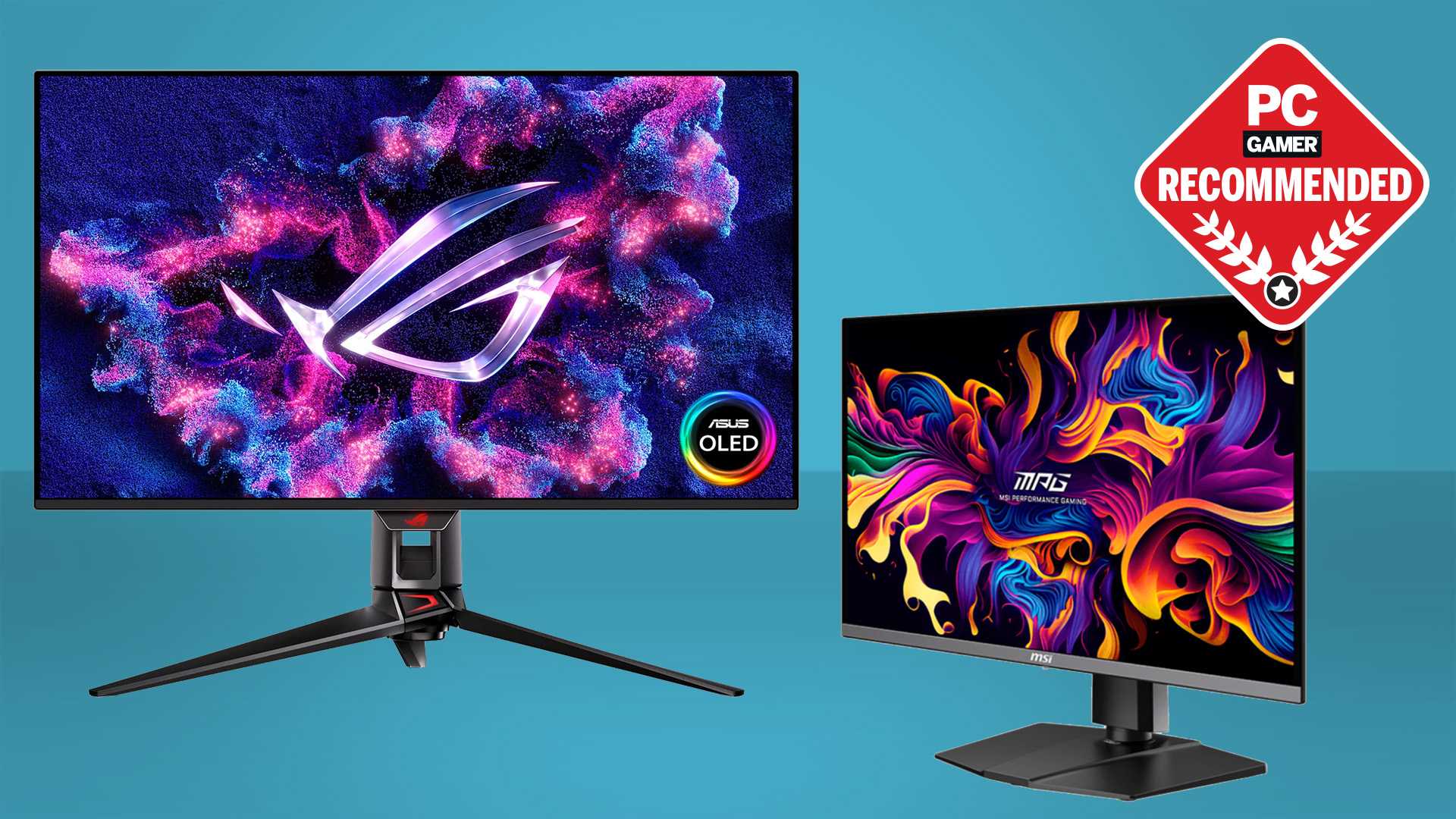
Yes, OLED monitors can be great for esports, offering stunning visuals and fast response times that give players a competitive edge. However, they also come with some drawbacks like potential burn-in risks and higher costs. Overall, if you prioritize image quality and quick reactions, an OLED monitor can enhance your gaming experience significantly.
OLED monitors are rapidly gaining popularity among gamers, especially those involved in competitive esports. They deliver incredible color accuracy, deep blacks, and nearly instantaneous response times, which are crucial for fast-paced gaming. But before you make the switch, it’s important to weigh their pros and cons. While they can improve your visual clarity and reaction speed, OLED screens also have some limitations like burn-in issues and premium prices. In this article, we’ll explore whether an OLED monitor truly suits the needs of esports players, helping you decide if it’s the right upgrade for your gaming setup.

Is OLED Monitor Good for Esports? An In-Depth Look
Understanding What Makes a Monitor Suitable for Esports
Choosing a monitor for esports games involves considering several key factors. Speed, image clarity, and responsiveness are among the most important. Gamers need a display that can keep up with rapid movements and provide smooth visuals.
Why Refresh Rate Matters in Esports
The refresh rate, measured in Hertz (Hz), indicates how many times a monitor updates the image each second. For competitive gaming, a higher refresh rate of 144Hz or even 240Hz offers a significant advantage. It results in smoother gameplay and quicker reactions.
Response Time and Its Impact on Gaming
Response time refers to how quickly a pixel can change from one color to another. A low response time—typically 1ms or 2ms—is ideal for esports. It minimizes motion blur, making fast movements clearer and improving overall visual performance.
Color Accuracy and Visual Clarity in Gaming
A monitor’s ability to display vibrant and accurate colors helps players distinguish enemies and in-game details. Crisp image clarity also boosts immersion and reduces eye strain during long gaming sessions. OLED monitors are praised for their superior color accuracy and sharpness.
What Are OLED Monitors and How Do They Work?
OLED stands for Organic Light Emitting Diode. Unlike traditional LCDs, each pixel in an OLED panel produces its own light. This means better contrast, deeper blacks, and vibrant colors. OLED technology allows for thinner screens and flexible design options.
Advantages of OLED Monitors for Esports
- Exceptional Contrast and Black Levels: OLED screens can display true blacks, making in-game details pop out.
- Wide Color Gamut: They show a broader range of colors, enhancing visual richness.
- Fast Response Times: Many OLEDs boast response times as low as 0.1ms, reducing ghosting and motion blur.
- Superior Viewing Angles: OLED displays maintain color accuracy from various angles, ideal for multi-player setups.
Potential Drawbacks of OLED for Esports
While OLED monitors offer many benefits, some aspects require attention. Their susceptibility to burn-in can affect static images over time. Additionally, they tend to be more expensive than LCDs, which might impact budget-conscious gamers.
Burn-In Risks and How to Mitigate Them
Burn-in occurs when static images are displayed for long periods, causing ghost images. To prevent this, players can:
- Use screen savers or wallpapers that change frequently.
- Enable pixel shifting features found in some OLED monitors.
- Avoid leaving static game elements like scoreboards or HUDs on screen for excessive periods.
Comparing OLED and LCD Monitors for Esports
| Feature | OLED Monitors | LCD Monitors |
|—|—|—|
| Response Time | Very low, approx. 0.1ms to 1ms | Typically 1ms to 3ms |
| Contrast Ratio | Infinite (perfect blacks) | Limited, depends on backlight |
| Color Accuracy | Excellent | Good, but varies by model |
| Price | Usually higher | More affordable |
| Burn-In Risk | Present | None |
- OLED offers better contrast and response times but comes at a higher cost and risk of burn-in.
- LCDs are more budget-friendly and generally free from burn-in issues but may have slightly slower response times and less deep blacks.
Are There Specific OLED Models Suitable for Esports?
Some OLED monitors designed specifically for gaming feature high refresh rates and low response times. Examples include models with 120Hz to 240Hz refresh rates and 0.1ms to 1ms response times. These are perfect for fast-paced games like first-person shooters and battle royales.
Compatibility with Gaming Consoles and PCs
Most OLED monitors work seamlessly with PCs and gaming consoles. Features like HDMI 2.1 support enable 4K @ 120Hz, giving players flexibility in choosing their setup. Check monitor specifications for compatibility with your gaming hardware.
Additional Features Enhancing Esports Performance
Look for monitors with features like:
- Variable Refresh Rate (VRR): reduces tearing and stuttering.
- G-SYNC or FreeSync: synchronize the monitor refresh rate with the GPU for smoother gameplay.
- High brightness levels: improve visibility in different lighting conditions.
These features, combined with OLED technology, can provide a competitive edge.
Power Consumption and Longevity of OLED Monitors
OLED screens generally consume less power when displaying darker images due to their self-emitting pixels. However, longer usage time can impact longevity because of potential burn-in. Regularly changing display content helps prolong the lifespan of an OLED monitor.
Is an OLED Monitor a Worthwhile Investment for Esports?
For dedicated gamers seeking high visual fidelity and fast response, OLED monitors are worth considering. They deliver stunning image quality and responsiveness that can enhance your gaming experience. However, weigh the higher cost and potential burn-in against your gaming needs and budget.
Future Trends in OLED Gaming Monitors
Advancements in OLED technology promise even higher refresh rates and lower response times. Manufacturers are working on reducing burn-in issues and cost, making OLED more accessible. These innovations will likely make OLED a standard choice for competitive gamers.
Summary
In summary, OLED monitors offer significant benefits for esports players, including superior contrast, rapid response, and rich color reproduction. While there are some drawbacks, such as burn-in risk and price, ongoing technological improvements are addressing these concerns. Therefore, for gamers aiming to maximize visual clarity and speed, an OLED monitor can be an excellent choice when paired with the right features and proper usage.
Are OLED Monitors Actually Worth It?
Frequently Asked Questions
How does the fast response time of OLED monitors benefit competitive gaming?
OLED monitors typically offer very quick response times, which means images change instantly without ghosting or motion blur. This rapid response helps players see fast-moving objects clearly, giving them a competitive edge in fast-paced games like first-person shooters and esports titles where reaction time is critical.
Are there any concerns about screen burn-in with OLED monitors during extended gaming sessions?
While OLED screens are susceptible to burn-in if static images remain on the screen for long periods, most modern OLED monitors include features to minimize this risk. Using screen savers, varying in-game HUD positions, and taking breaks during long gaming sessions can further protect the display and ensure its longevity.
What color performance makes OLED monitors suitable for esports players?
OLED screens deliver vibrant, high-contrast colors with deep blacks, enhancing visual clarity and immersion. This color accuracy and contrast help players distinguish opponents and environmental details more easily, providing an advantage during gameplay where visual precision matters.
Do OLED monitors support high refresh rates necessary for esports?
Yes, many OLED monitors are designed with high refresh rates, often reaching 120Hz, 144Hz, or even higher. These refresh rates allow smoother motion rendering, which is essential for fast-paced esports games where fluid visuals can improve reaction times and gameplay experience.
How does the build quality of OLED monitors impact their use in competitive gaming?
High-quality OLED monitors feature durable construction and reliable components, ensuring consistent performance during intense gaming sessions. Their slim profiles and sturdy stands also contribute to a comfortable gaming setup, enabling players to focus on the game without hardware distractions.
Final Thoughts
An OLED monitor offers stunning visuals with deep blacks and vibrant colors, making gameplay more immersive. Its fast response times reduce motion blur, giving gamers a competitive edge. However, concerns about burn-in may affect long-term usage in esports.
In conclusion, is oled monitor good for esports? For players prioritizing image quality and quick reactions, OLED displays can be advantageous. Still, they may not be ideal for everyone due to potential burn-in issues.

With experience in IT support and consumer technology, I focus on step-by-step tutorials and troubleshooting tips. I enjoy making complex tech problems easy to solve.