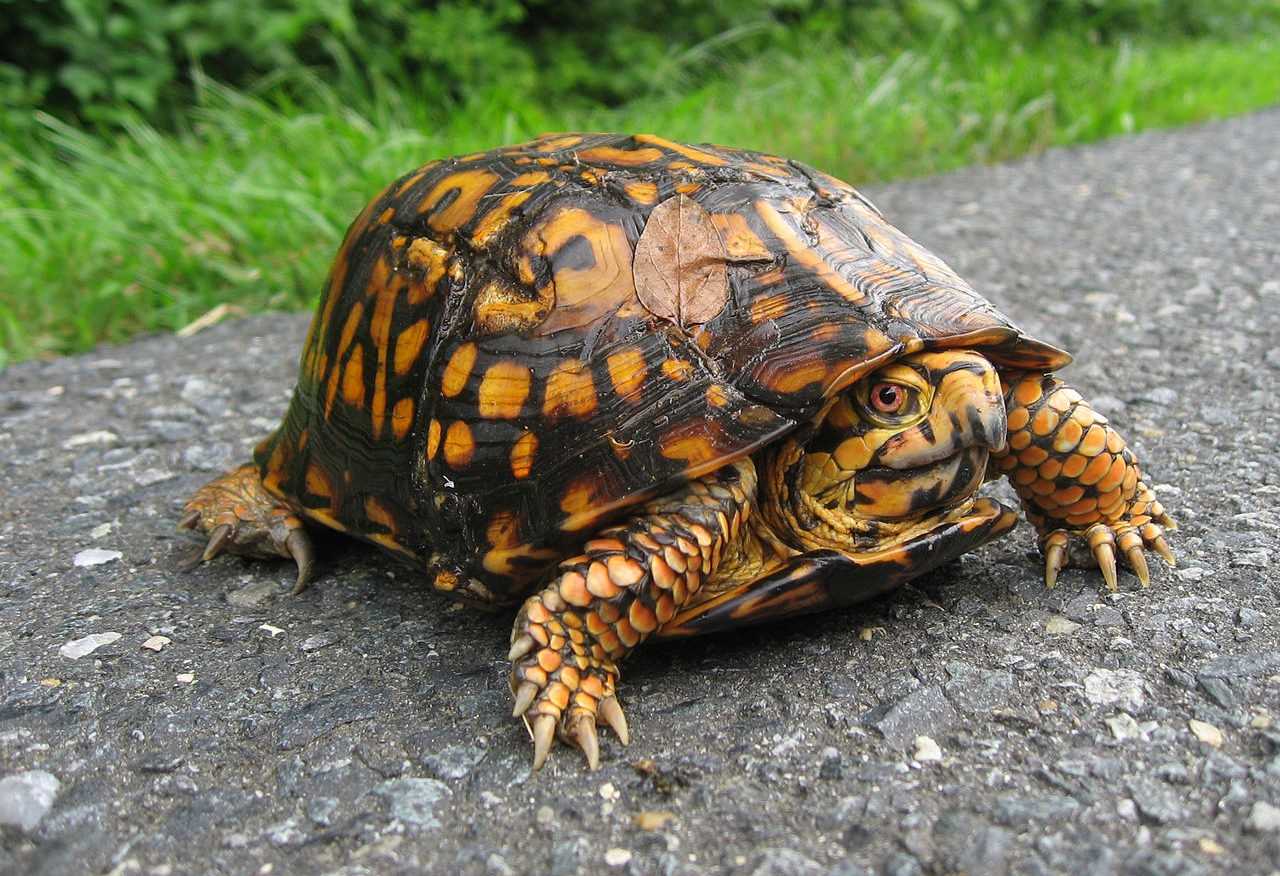
A box turtle’s sounds are surprisingly subtle and rarely loud, often going unnoticed unless you’re paying close attention. Curious about what noises these gentle creatures make? The short answer is that box turtles mainly produce soft grunts, hisses, and breathing sounds—they rarely chirp or scream like some other reptiles. These sounds serve purposes like communication or expressing discomfort, but generally, they’re quite quiet. If you’ve ever wondered whether you’ll hear your box turtle vocalize, the good news is that most of their sounds are gentle and infrequent. Understanding these noises can help you better care for your turtle and recognize when something’s amiss. Now, let’s dive deeper into the sounds box turtles make, what they really mean, and how to interpret their quiet communication signals.

What Sound Does a Box Turtle Make? Exploring the Noises of These Unique Reptiles
Introduction to Box Turtle Sounds
Box turtles are known for their quiet nature, but they do produce sounds sometimes. Understanding what sounds they make helps pet owners and enthusiasts better care for and observe these interesting creatures. These sounds can vary depending on the situation, mood, or health of the turtle.
Common Sounds Made by Box Turtles
Most people expect turtles to be silent, but box turtles create a few distinctive noises. These sounds include gentle vocalizations, clicking noises, and huffing sounds. Recognizing these noises can give clues about the turtle’s feelings or health.
Vocalizations
Box turtles sometimes make soft vocal sounds. These include faint grunting or squeaking noises. Usually, these sounds happen during specific activities like feeding or social interactions.
Clicking Noises
The clicking sound is a common noise made by box turtles. It often occurs when they are stretching or moving their jaw muscles. This clicking helps communicate their mood or alert others nearby.
Huffing and Puffing
When feeling threatened or stressed, a box turtle might huff or puff loudly. This huffing sound is a way for the turtle to warn others or express discomfort. It is usually accompanied by puffed up body language.
Are Box Turtles Quiet Creatures?
Generally, box turtles are considered quiet animals. They rarely produce loud sounds like some birds or mammals. Their sounds are usually soft and subtle, which helps them stay hidden from predators.
Why Are They So Quiet?
Box turtles rely on their shells and camouflage to avoid danger. Since loud noises could attract predators, their limited sounds are an evolutionary advantage. Their quiet nature helps them stay safe in the wild.
When Do Box Turtles Make Noise?
Understanding when box turtles make sounds helps determine their feelings and needs. They tend to vocalize during certain situations like mating, feeding, or when they feel threatened.
During Mating Season
Male box turtles produce more sounds during the breeding period. They may make chirping or grunting noises to attract females. These sounds can also help establish dominance among males.
While Feeding
Turtles might make soft sounds when they eat or are excited about food. Chewing or gentle squeaks can sometimes be heard during feeding time, especially if the turtle is eager.
In Stressful or Threatening Situations
Huffing or puffing often signals stress. If a turtle feels cornered or threatened, it may produce these sounds to warn others or scare off potential threats.
How Do Box Turtles Communicate Without Making Sounds?
In addition to noises, box turtles communicate through physical gestures and body language. These cues include head movements, shell postures, and tail signals.
Physical Postures and Movements
A turtle that is hiding or retracting into its shell may be signaling fear or discomfort. Conversely, a bright-colored shell and alert posture indicate curiosity or confidence.
Color Changes and Shell Movements
Some box turtles may change shell coloration slightly when stressed or excited. They might also bob their head or lift their limbs to communicate mood or readiness.
Differences in Sounds Between Wild and Pet Box Turtles
Wild and pet box turtles can have differences in their vocalizations. These differences relate to their environment and interactions with other animals or humans.
Wild Box Turtles
In the wild, box turtles tend to be quieter overall. Their sounds are less frequent and usually serve specific purposes like mating or warning.
Pet Box Turtles
Pet turtles may vocalize more during interaction with owners. They might produce sounds when hungry, stressed, or seeking attention, especially if they are accustomed to human presence.
How to Recognize and Interpret Box Turtle Sounds
Knowing what each sound means can help you care for a box turtle better. Paying attention to the context, tone, and frequency of sounds gives insight into their mood.
Recognizing Different Noises
Soft squeaks or grunts usually indicate contentment or curiosity. Loud huffs or puffs suggest fear or annoyance. Clicking sounds often relate to movement or communication.
What Do These Sounds Tell You?
If a turtle makes gentle noises during feeding, it’s likely excited or hungry. If it huffs when approached, it might be feeling threatened or uncomfortable. Understanding these cues helps maintain a safe environment.
Related Topics: Other Noises and Behaviors of Box Turtles
Apart from sounds, box turtles exhibit behaviors that can tell you a lot about their state. These include basking, shell rubbing, and digging.
Basking and Its Effects on Sound
Basking is a common behavior where turtles sit under a heat source. It doesn’t produce sounds but influences their overall health and activity levels. A healthy basking routine can reduce stress noises.
Shell Rubbing and Scratching
Some box turtles rub or scratch their shells, which isn’t a sound but a behavioral signal. It helps them remove parasites or express comfort.
Digging and Burrowing
Turtles may dig to create a nest or hide. These behaviors are silent but indicate contentment or a need to rest.
Summary of Key Points
To sum up, box turtles are generally quiet but do produce specific sounds like squeaks, grunts, clicking, and huffs. Each sound serves a purpose, whether to communicate, warn, or express emotions. Recognizing these sounds enhances your understanding of your turtle and helps ensure their well-being.
Additional Tips for Observing Box Turtle Sounds
– Spend time near your turtle to learn its unique sounds.
– Observe the context in which sounds are made.
– Use gentle encouragement to see if your turtle responds vocally.
– Keep a journal of sounds and behaviors to track your turtle’s health.
By paying attention to these subtle noises, you can better meet your box turtle’s needs and create a comfortable environment for them. Remember, while they may be quiet animals, their sounds reveal much about their feelings and health.
Tortoise And Turtle Sounds – Noises
Frequently Asked Questions
What types of sounds do box turtles typically make?
Box turtles often produce a variety of sounds, including grunting, huffing, and squeaking. These vocalizations usually occur when they are feeling threatened, excited, or communicating with other turtles. While they are generally quiet animals, these sounds serve as their way of expressing emotions or alerting others to their presence.
When might a box turtle produce a loud vocalization?
A box turtle may vocalize loudly when it feels distressed, stressed, or startled. For example, if it is captured, handled roughly, or feels threatened by a predator, it might grunt or squeak to signal discomfort. Such sounds help warn potential threats or alert other turtles nearby.
Do box turtles make any sounds during mating or nesting behaviors?
During mating or nesting, box turtles can produce gentle grunting or huffing sounds. These noises often serve as communication cues between males and females, helping them find each other or establish territory. The sounds are usually soft and are part of their natural interactions during the reproductive process.
Are there environmental factors that influence the sounds a box turtle makes?
Yes, environmental factors like temperature, humidity, and habitat disturbance can influence how much a box turtle vocalizes. For instance, in more stressful or unfamiliar settings, a turtle may vocalize more frequently as a response to discomfort or confusion. Conversely, in a calm and familiar environment, they tend to be quieter.
Final Thoughts
A box turtle generally makes soft, raspy sounds, especially when frightened or communicating. These sounds include grunts, huffs, and gentle clicking noises.
Unlike some reptiles, they rarely produce loud or startling sounds. Their vocalizations are subtle and serve specific social functions.
what sound does a box turtle make is primarily a series of quiet, muffled noises that reflect their calm or alert state. Understanding these sounds helps in caring for and observing these gentle creatures effectively.

I follow the latest trends in smart devices, portable monitors, and gaming accessories. My goal is to provide real-world insights that help readers make smarter tech decisions.