
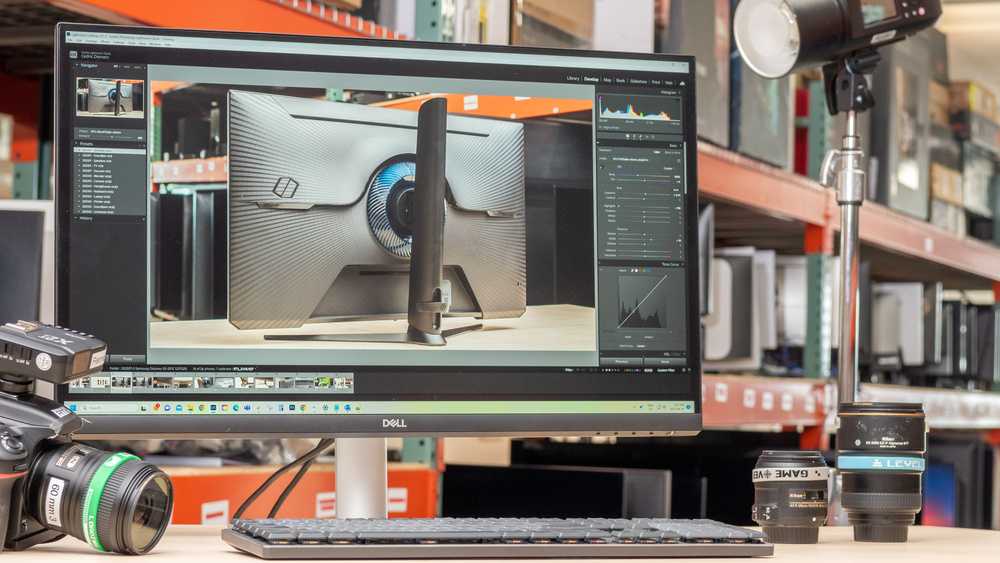
Editors invest in expensive monitors because they need precision, color accuracy, and high performance to produce quality work. A top-tier monitor ensures vibrant visuals, detailed clarity, and consistent color reproduction, making editing more efficient and accurate. While the upfront cost may seem high, the benefits of reliable, professional-grade displays ultimately lead to better results and smoother workflows.
Investing in a high-end monitor is essential for editors who aim for perfection in their craft. These monitors provide the detailed visuals and color fidelity necessary to make precise adjustments, whether in photo editing, video production, or graphic design. For professionals, quality screens are more than luxury—they are vital tools that directly impact the quality of their output. With technology advancing rapidly, having a monitor that keeps pace ensures editors can work confidently, knowing their display reflects every detail accurately.

Why Do Editors Invest in Expensive Monitors
High-Quality Color Accuracy
Editors need precise color accuracy to ensure their work looks perfect across different devices and print. Expensive monitors offer wide color gamuts like Adobe RGB or DCI-P3, which provide more accurate and vibrant colors. This accuracy helps editors make better decisions on color correction and grading, ensuring the final product meets industry standards.
Better Resolution and Image Clarity
Costly monitors typically have higher resolutions, such as 4K or even 8K, offering sharper images. Crisp visuals allow editors to see fine details in their footage or images, making editing more precise. Clear and detailed screens reduce errors and improve overall workflow efficiency.
Wider Color Gamut and HDR Support
Expensive monitors often support wider color gamuts and High Dynamic Range (HDR). These features enable editors to work with a broader range of colors and contrast, producing more realistic and visually appealing content. HDR support is especially crucial for video editors aiming for cinema-quality output.
Superior Calibration and Consistency
Professional monitors come with advanced calibration tools and are factory-calibrated for color consistency. This ensures that colors stay accurate over time, reducing the need for frequent adjustments. Consistent color representation is critical for collaborative projects and maintaining brand standards.
Enhanced Viewing Angles and Screen Uniformity
Expensive monitors usually have IPS or OLED panels that provide wider viewing angles and uniform brightness across the screen. Editors can work comfortably from different positions without color shifts or brightness inconsistencies. This feature is essential during detailed color grading sessions.
Reduced Eye Strain and Increased Comfort
High-end monitors often include features like flicker-free technology and blue light filters. These improvements decrease eye fatigue during long editing sessions. Comfort is vital for maintaining productivity and focus over extended periods.
Advanced Connection Options
Premium monitors support a variety of input options such as Thunderbolt, USB-C, HDMI, and DisplayPort. These versatile connections allow seamless integration with editing hardware like high-performance computers and external drives. Multiple connections enable efficient workflow setups.
Durability and Longer Lifespan
Investing in expensive monitors ensures durability and a longer lifespan. They are built with quality materials designed to withstand extended use. This reduces replacement costs and guarantees consistent performance over time.
Cost versus Value Analysis
While expensive monitors require a significant initial investment, they offer better performance, durability, and accuracy. These factors translate into higher-quality outputs, faster editing times, and fewer mistakes, ultimately providing more value for professional editors.
Related Topics for Further Exploration
- Differences Between IPS, OLED, and TN Panels
- Best Monitors for Video Editing in 2023
- How Color Calibration Works for Professional Monitors
- The Importance of Screen Uniformity in Post-Production
Choosing the Right Expensive Monitor
To maximize benefits, editors should consider their specific needs. Important factors include resolution, color accuracy, calibration features, and connectivity options. Balance these aspects with budget constraints to select a monitor that serves their workflow optimally.
Impact on Professional Work and Industry Standards
Using expensive monitors helps keep editors aligned with industry standards. Accurate color reproduction and high-resolution displays ensure the final product meets professional expectations. This commitment to quality can also enhance an editor’s reputation and client satisfaction.
Summary of Key Benefits
- Precise color representation
- High resolution for detailed work
- Broader color gamuts and HDR for realistic content
- Consistent color calibration
- Comfortable viewing experience
- Versatile connectivity options
- Greater durability and lifespan
This investment in high-end monitors reflects the importance of quality tools in creating professional content. For editors, the advantages extend beyond just better visuals—they influence workflow efficiency, output quality, and industry credibility.
Flat or Curved? This Corsair Monitor is Both!
Frequently Asked Questions
How do high-quality monitors improve editing accuracy?
Using expensive monitors offers higher resolution and better color accuracy, allowing editors to see more precise details. This clarity helps identify subtle issues in footage, ensuring edits are accurate and consistent across different clips. With accurate color representation, editors can make better decisions that align with the final output requirements.
Why is color calibration important for professional editors?
Expensive monitors often come with built-in calibration tools or support for calibration devices. Regular calibration ensures that the colors displayed match industry standards, reducing the risk of color discrepancies when projects move between different devices or viewing environments. This consistency is crucial for delivering polished, professional content.
In what ways do advanced displays facilitate efficient editing workflows?
High-end monitors typically feature larger screens, wider color gamuts, and higher refresh rates, which make multitasking and reviewing footage smoother. These features allow editors to work faster and more comfortably, reducing fatigue and minimizing time spent on adjustments due to poor display performance.
How does screen uniformity on premium monitors benefit video editing?
Premium monitors are designed to maintain consistent brightness and color across the entire screen, eliminating areas that might be darker or less accurate. This uniformity ensures that editors can work confidently without worrying about discrepancies in different parts of the display, leading to more precise editing outcomes.
What role does monitor durability play in the investment for editors?
Expensive monitors are built with higher-quality components, making them more durable and reliable over time. For editors who spend long hours working on projects, investing in a sturdy monitor reduces the likelihood of hardware failures and ensures consistent performance, which is essential for maintaining productivity.
Final Thoughts
Investing in expensive monitors allows editors to see colors accurately and make precise adjustments. High-quality screens reduce eye strain during long editing sessions, enhancing productivity.
Clear, detailed visuals help editors produce professional results and meet client expectations.
Ultimately, why do editors invest in expensive monitors? Because top-tier displays offer the reliability and precision necessary for high-quality editing.

I’m passionate about hardware, especially laptops, monitors, and home office gear. I share reviews and practical advice to help readers choose the right devices and get the best performance.
