


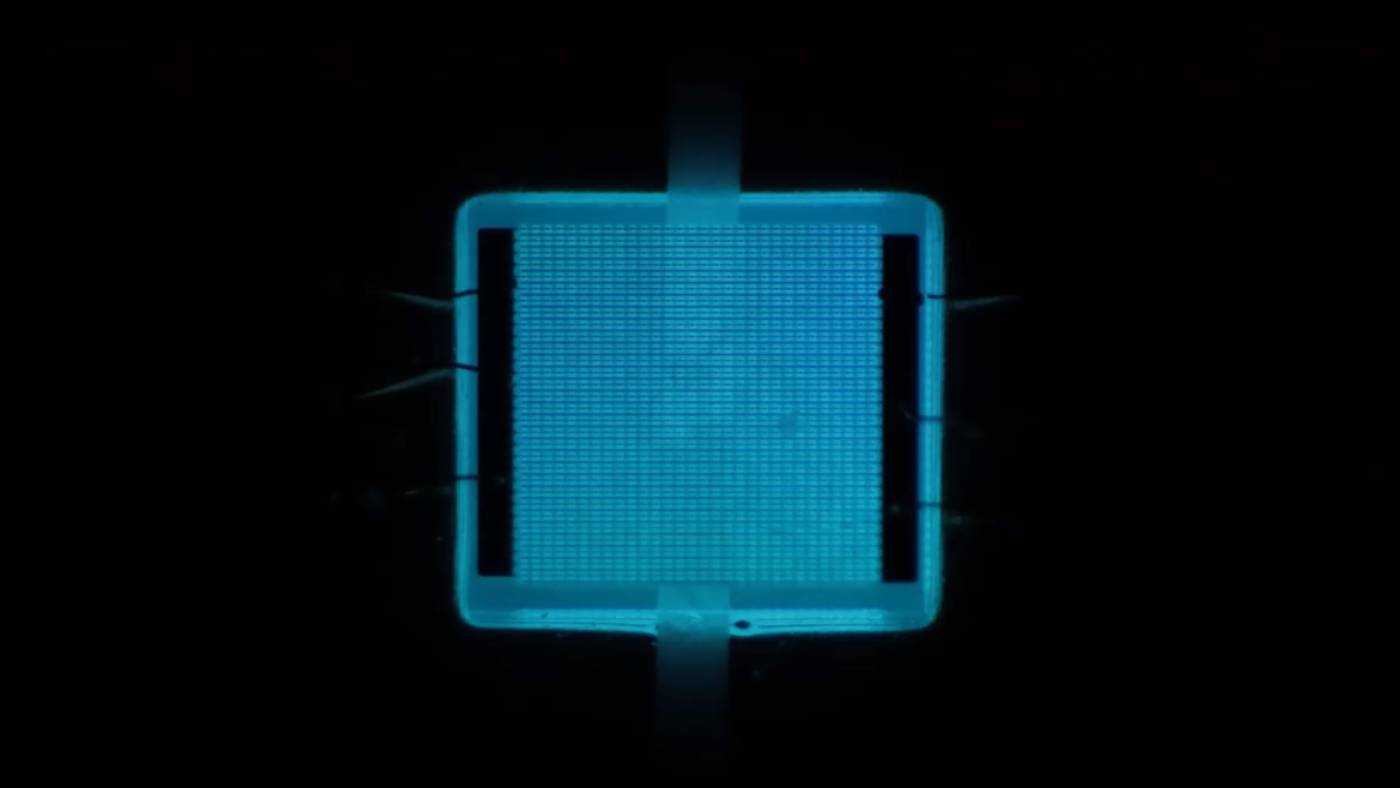
MicroLED monitors are rapidly emerging as a top choice for 3D rendering thanks to their impressive display qualities. They offer incredible brightness, vibrant colors, and deep blacks, making them ideal for detailed and color-accurate work. If you’re wondering whether these cutting-edge screens are suitable for 3D rendering, the short answer is yes—they excel in providing the clarity and contrast needed for precise visual work. With their fast response times and high contrast ratios, MicroLED monitors can reveal finer details and nuanced shades that are vital in 3D design and modeling. While they are still relatively new and tend to be more expensive than traditional displays, their performance benefits are hard to ignore for professionals demanding top-tier visual fidelity. So, if you’re serious about 3D rendering, investing in a MicroLED monitor could significantly enhance your workflow and output quality.

Are MicroLED Monitors Good for 3D Rendering?
Understanding MicroLED Technology and Its Benefits
MicroLED monitors use tiny, self-emitting light pixels, which means each pixel produces its own light. This technology offers **superior brightness and contrast levels** compared to traditional displays like LCDs. For 3D rendering, having such vibrant visuals can make complex models and textures more visible and easier to analyze.
One of the key advantages of MicroLEDs is their **high color accuracy**. This aspect is essential for 3D artists needing precise color representation to ensure their designs look realistic across different devices. Additionally, MicroLED displays provide **deep black levels** due to their ability to turn off individual pixels completely, enhancing the depth and realism of 3D visualizations.
Why Do MicroLED Monitors Excite 3D Artists and Renderers?
3D artists often seek monitors with **high resolution, fast response times, and excellent color fidelity**. MicroLED technology addresses these needs effectively. Its **high pixel density** delivers sharp images, making intricate details in 3D models clear and easy to work with.
Moreover, MicroLEDs have **low input lag** and **fast refresh rates**. These features support smoother interactions during interactive editing sessions or real-time rendering, minimizing delays that could hinder the creative process. The **wide color gamut** of MicroLEDs also allows artists to see subtle color nuances, which is crucial when creating realistic textures and lighting effects.
Comparison of MicroLED Monitors with Other Display Technologies for 3D Rendering
Looking at traditional options, LCDs and OLEDs are common choices. LCDs provide good resolution but often fall short in contrast and black levels. OLEDs offer better contrast but can suffer from burn-in issues and limited lifespan.
MicroLEDs combine the best features of both, offering **superior contrast, brightness, and durability** without burn-in concerns. This makes them especially suitable for long 3D rendering sessions where consistent visual quality is necessary. The table below compares critical specs of MicroLED, OLED, and LCD monitors:
| Feature | MicroLED | OLED | LCD |
|---|---|---|---|
| Brightness | Very High | High | Moderate to High |
| Contrast Ratio | Infinite | High | Limited |
| Color Accuracy | Excellent | Excellent | Good |
| Burn-in Risk | Minimal | Possible | None |
| Cost | High | High | Lower |
How MicroLED Monitors Improve 3D Rendering Workflows
MicroLED monitors help streamline the 3D workflow by reducing the need for constant color calibration. Their **consistent output** ensures that the visual quality remains stable over time, which is essential for professional work.
The **high refresh rates and quick response times** make real-time viewport navigation smoother, improving the accuracy of materials and lighting adjustments. This responsiveness is especially beneficial when working on complex scenes with detailed textures, reflections, and shadows.
Color Gamut and Bit Depth Considerations for 3D Artists
A **wide color gamut**, such as Adobe RGB or DCI-P3, is vital for accurate color reproduction in 3D content. MicroLED monitors often support these standards, enabling creators to visualize their work precisely.
Additionally, a **high bit depth** (such as 10-bit or higher) allows for smoother gradients and reduces color banding. This quality is essential when rendering realistic lighting effects or subtle shading transitions in 3D models.
Resolution and Size: Key Factors for MicroLED 3D Rendering Monitors
Resolution plays a crucial role in 3D rendering as it determines how much detail is visible. MicroLED monitors commonly come in **4K or even 8K resolutions**, providing clarity for intricate models and detailed textures.
Size is also important; larger screens reduce the need for zooming and panning, allowing artists to work comfortably on expansive scenes. For professional 3D work, **55-inch or larger MicroLED displays** can significantly enhance visual comprehension and workflow efficiency.
Limitations and Challenges of Using MicroLED Monitors
While MicroLED technology boasts many advantages, it also comes with certain challenges. Currently, **large MicroLED displays** are expensive and less accessible compared to other monitor types.
Additionally, as a relatively new technology, **availability and variety** are limited. Calibration and maintenance might require specialized skills or equipment, adding to the overall cost and complexity for some users.
Future Outlook and Innovations in MicroLED for 3D Rendering
The MicroLED market is rapidly evolving, with manufacturers working to **reduce costs** and expand size options. Expect future models to feature **higher resolutions**, improved **color accuracy**, and **better affordability**.
Advances in **manufacturing processes** are making MicroLEDs more viable for desktop and professional monitors, promising even better tools for 3D artists in the near future.
Summary of MicroLED Benefits for 3D Rendering
- Exceptional contrast and black levels enhance depth perception.
- High brightness and color accuracy make textures and materials look more realistic.
- Low latency and fast response times support real-time editing and interaction.
- Large screen sizes and high resolutions improve detail work and reduce eye strain.
- Durability and longevity make MicroLED monitors a good long-term investment.
Related Topics for 3D Artists and Designers
To fully maximize your 3D workflow, consider exploring topics like **color calibration techniques**, **best graphics cards for rendering**, and **software compatibility with high-end displays**. These factors also influence how well a MicroLED monitor will perform in your creative environment.
In summary, while MicroLED monitors may still be in the early stages of widespread adoption, their potential benefits make them an excellent choice for 3D rendering professionals. Their superior visuals, responsiveness, and durability can help artists achieve more detailed, accurate, and visually stunning results.
ASUS’s New 240Hz Glossy OLED is Wild (XG27AQDMG)
Frequently Asked Questions
Are microLED monitors capable of providing accurate color representation for 3D rendering tasks?
Yes, microLED monitors deliver exceptional color accuracy, making them suitable for 3D rendering that relies on precise color depiction. Their ability to produce a wide color gamut ensures that artists and designers can view their work with confidence in color fidelity, which is crucial for achieving realistic and visually appealing results.
How does contrast ratio in microLED monitors benefit 3D rendering workflows?
MicroLED monitors feature high contrast ratios that enhance image depth and detail, especially in areas with subtle shading or complex textures. This improved contrast helps 3D artists better evaluate material properties, lighting effects, and shadows, leading to more realistic and refined renders.
Can microLED monitors handle large 3D datasets efficiently during rendering and editing?
MicroLED monitors typically offer high resolution and large screen sizes, which facilitate detailed viewing of extensive 3D datasets. Their vibrant displays ensure that every detail is visible, allowing artists to work more effectively without straining their eyes or compromising on visual clarity during complex rendering processes.
What are the latency and refresh rate considerations of microLED monitors for dynamic 3D visualization?
Many microLED monitors boast low latency and high refresh rates, providing smooth visual updates. This responsiveness is vital when manipulating 3D models in real-time or reviewing animations, as it reduces lag and enhances the overall editing experience, leading to more accurate and efficient workflows.
Are there any limitations of microLED technology that could affect 3D rendering projects?
While microLED monitors excel in many areas, they can be costly and may have limited availability compared to other display technologies. Additionally, some models might require more power or specific hardware compatibility. Considering these factors, users should evaluate their budget and system requirements to ensure optimal integration into their 3D rendering setup.
Final Thoughts
Les moniteurs MicroLED offrent une qualité d’image exceptionnelle avec des couleurs vives et des contrastes profonds. Leur rapidité de rafraîchissement et leur faible latence bénéficient grandement aux applications 3D rendering.
Pour les artistes et les designers 3D, ces écrans facilitent la visualisation précise des détails et des textures. La haute résolution permet de travailler avec précision et efficacité.
En résumé, are microled monitors good for 3d rendering, ils répondent aux exigences des professionnels grâce à leurs performances supérieures.



