


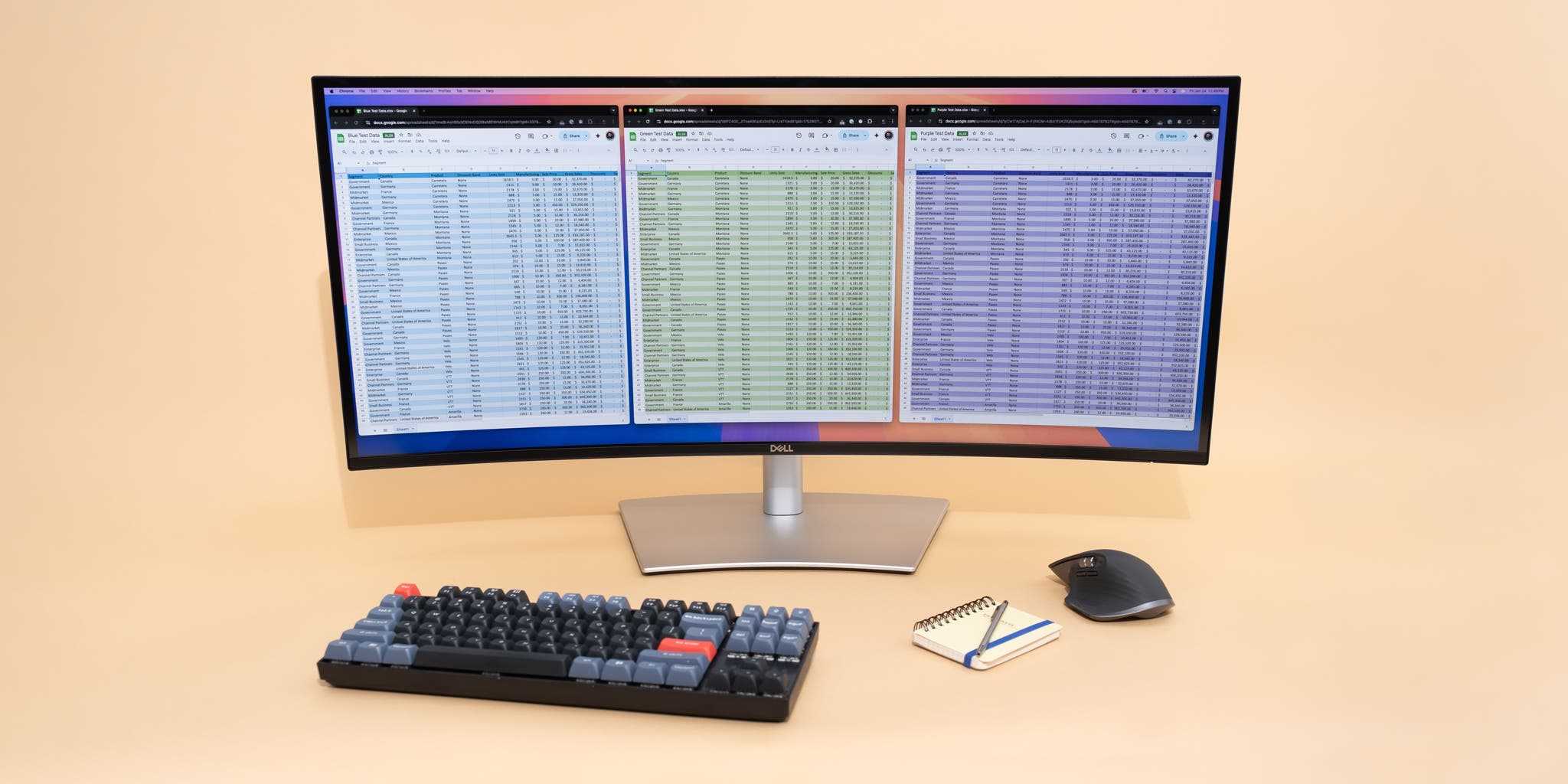
Mini LED monitors are rapidly gaining popularity for spreadsheet work. They offer brighter visuals, better contrast, and more precise color control, making them a great choice for detailed data analysis. When it comes to working with spreadsheets, these monitors can reduce eye strain and improve clarity, especially during long hours of work. So, are Mini LED monitors better for spreadsheets? The short answer is yes—they provide enhanced display quality that makes data easier to view and interpret, leading to increased productivity and comfort.
If you’re someone who spends hours analyzing data or managing large spreadsheets, investing in a Mini LED monitor could be a game-changer. These displays produce vivid images with excellent contrast and minimal blooming effects, ensuring that your numbers and charts are always crisp and clear. In this article, we’ll explore whether Mini LED technology truly makes a difference for spreadsheet work, and if it’s worth considering for your setup.

Are Mini LED Monitors Better for Spreadsheets?
Understanding Mini LED Technology
Mini LED monitors use thousands of tiny LEDs behind the screen to control brightness and contrast more precisely. Unlike traditional LED displays, they offer better backlight dimming capabilities, creating deeper blacks and brighter highlights. This advanced technology can make a significant difference when viewing detailed spreadsheets with varied color codes or subtle shading.
Brightness and Contrast for Better Data Clarity
Mini LED monitors excel at providing high brightness levels, making it easier to see small text and fine lines in spreadsheets. Enhanced contrast ratios help differentiate between data categories, highlighting important figures or color-coded cells. When working with complex spreadsheets, this visual clarity reduces eye strain and improves overall data accuracy.
Color Accuracy and Consistency
Accurate colors are vital for spreadsheets that involve color coding or conditional formatting. Mini LED screens deliver more uniform color reproduction across the entire display, which minimizes issues like color shifting at different viewing angles. This consistency ensures you interpret data correctly, especially in charts and graphs embedded within spreadsheets.
Viewing Angles and Screen Uniformity
Mini LED monitors provide wider viewing angles compared to traditional displays. This means multiple people can view the same spreadsheet without color distortion or brightness loss. Additionally, the uniformity of light across the screen reduces distracting hotspots, keeping your data presentation clean and easy to read from any position.
Response Time and Refresh Rate
While response time and refresh rate are more critical for gaming or video editing, they can also impact spreadsheet work. Mini LED monitors tend to have faster response times, reducing motion blur when scrolling through large spreadsheets or switching between sections. A smoother experience helps maintain productivity and reduces eye fatigue during long sessions.
Size and Resolution Considerations
Larger screens with higher resolutions make managing multiple spreadsheets easier. Mini LED monitors often come in ultra-wide or 4K options, providing ample workspace. A high-resolution display reveals finer details in data, which is essential for tasks requiring precision, such as financial analysis or detailed chart creation.
Energy Efficiency and Longevity
Mini LED technology consumes less power compared to traditional LED screens, especially at higher brightness levels. This efficiency can lead to longer device lifespan and lower energy bills, making these monitors a sustainable choice for frequent spreadsheet users. Additionally, the advanced backlight control reduces wear on individual LEDs, extending the monitor’s quality over time.
Price and Value for Spreadsheet Users
Mini LED monitors tend to be more expensive initially but offer superior visual quality and longevity. For professionals or students who work extensively on spreadsheets, the investment can prove worthwhile through clearer visuals and reduced eye strain. It’s crucial to weigh the cost against the benefits of improved data visibility and user comfort.
Comparison with Other Display Technologies
| Feature | Mini LED | Traditional LED | OLED |
|———|————|——————-|——-|
| Backlight Control | Precise | Moderate | Self-emitting pixels |
| Black Levels | Deep | Good | Perfect |
| Brightness | Very high | Moderate | High but limited by burn-in risk |
| Cost | Higher | Lower | Usually more expensive |
| Screen Uniformity | Excellent | Good | Excellent |
Mini LED monitors often strike a good balance between affordability and high-quality visuals, making them suitable for spreadsheet work focused on clarity and accuracy.
Additional Benefits for Spreadsheet Users
- Reduced Eye Strain: Better brightness and contrast lessen the effort your eyes need to distinguish data.
- Enhanced Multitasking: Larger, high-resolution displays allow multiple spreadsheets or apps to be open simultaneously.
- Better Focus: Accurate color and uniform lighting help keep your attention on the data without distractions.
Potential Drawbacks to Consider
While mini LED monitors offer many advantages, they also come with some limitations. Their higher cost can be a barrier, especially for casual users. Additionally, the complexity of mini LED technology may result in longer delivery times or limited availability compared to standard monitors.
Final Thoughts on Mini LED Monitors for Spreadsheets
Choosing a mini LED monitor can significantly improve your experience with spreadsheets. The improved brightness, contrast, and color accuracy make data easier to read and interpret. For users who spend hours analyzing data, investing in a mini LED display provides noticeable benefits in comfort and efficiency.
Related Topics to Explore
- Best monitors for data analysis and financial work
- Comparison of OLED vs. Mini LED displays for professional use
- Ergonomic features to consider in large screens
- How to calibrate your monitor for optimal spreadsheet viewing
The 6 Best Work Monitors You Should Buy In 2025!
Frequently Asked Questions
How do mini LED monitors improve color accuracy for spreadsheets?
Mini LED monitors offer enhanced local dimming capabilities, which means they can control brightness levels more precisely across different areas of the screen. This results in more accurate color representation and contrast, making it easier to distinguish subtle differences in cell formatting, charts, and graphs within spreadsheets. The improved color accuracy can help users interpret data more effectively and reduce eye strain during extended work sessions.
What are the benefits of mini LED technology in terms of viewing comfort when working on spreadsheets?
Mini LED displays typically feature uniform backlighting, reducing issues like screen flickering and uneven brightness. This creates a more comfortable viewing experience, especially during long periods of spreadsheet editing or data review. Better contrast and enhanced local dimming also help in reducing glare and reflections, leading to less eye fatigue and clearer visibility of detailed information.
In what ways do mini LED monitors support multitasking with multiple spreadsheet windows?
The high contrast and brightness capabilities of mini LED monitors make it easier to work across multiple windows by providing clarity and definition even in complex or densely populated spreadsheets. Larger screen sizes combined with superior color and contrast help users differentiate between various sections or sheets quickly. This improves workflow efficiency and minimizes errors caused by misreading data.
Are mini LED monitors more effective in high-brightness environments when working on spreadsheets?
Yes, mini LED monitors perform well in bright environments due to their high peak brightness and uniform backlighting. These features allow the display to maintain visibility and clarity without washing out or losing detail when ambient light is strong. This ensures users can work comfortably without constantly adjusting screen settings or experiencing eye strain.
How does screen resolution on mini LED monitors benefit detailed data analysis in spreadsheets?
Mini LED monitors often come with high-resolution screens, such as 4K or higher, providing sharper images and more workspace on the screen. Higher resolution allows users to view intricate details within spreadsheets, such as small fonts, tight data clusters, and complex formulas, without zooming in excessively. This improves precision and speeds up data analysis tasks.
Final Thoughts
Mini LED monitors offer superior contrast and brightness, making detailed spreadsheets clearer and easier to read. Their precise control of dimming zones reduces glare and eye strain during long tasks.
For spreadsheet work, mini LED monitors provide better color accuracy and uniformity, enhancing visibility and reducing errors.
Are mini LED monitors better for spreadsheets? Based on these benefits, they generally improve the overall experience, especially for extensive data analysis.



