


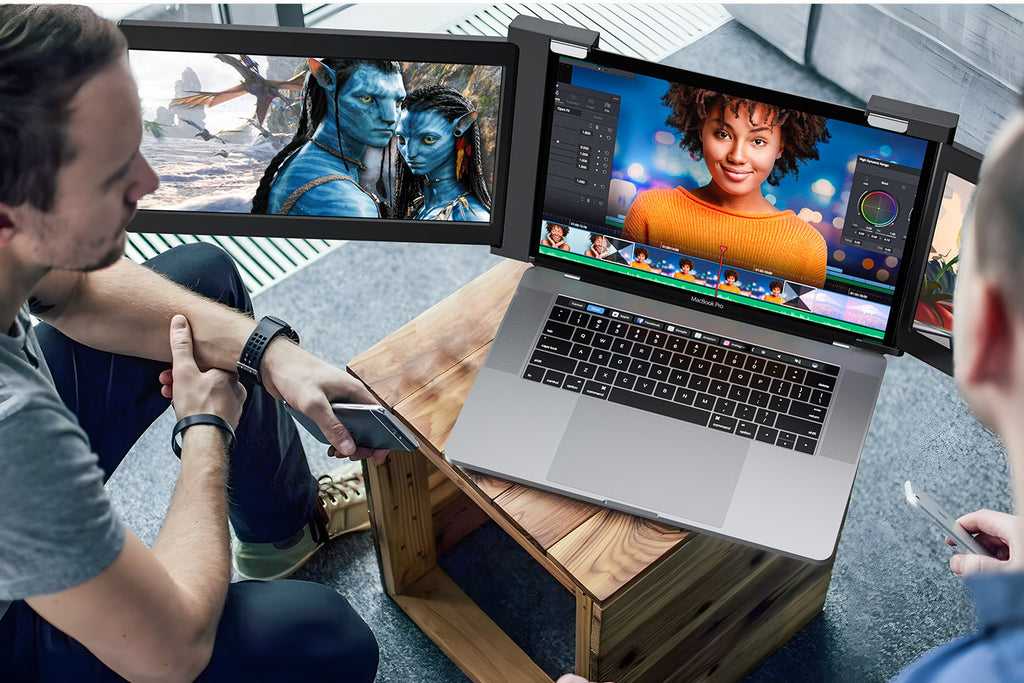
Absolutely, portable monitors can be a game-changer for stock traders on the move. They offer flexibility, extra screen space, and convenience, making multitasking and quick decision-making more efficient. Whether you’re traveling or working remotely, a portable monitor can significantly enhance your trading setup.
In short, portable monitors are highly beneficial for stock trading because they increase workspace flexibility and improve visibility of multiple charts or data streams. They are lightweight, easy to set up, and perfect for traders who value mobility and efficiency in their day-to-day activities.
If you’re wondering whether a portable monitor is a good investment for your trading needs, the answer is yes. These devices can streamline your workflow, help you keep an eye on various markets simultaneously, and ultimately make you a more responsive trader. Trading requires quick access to information, and having an extra screen on the go ensures you’re always prepared, whether in the office, at a coffee shop, or traveling.

Are Portable Monitors Good for Stock Trading?
Understanding the Benefits of Portable Monitors for Traders
Portable monitors can make a real difference for stock traders who need flexibility. They let traders set up multiple screens anywhere, whether at home, in the office, or on the go. This helps traders view more data at once, making quick decisions easier.
Having an extra screen improves overall productivity. Traders can monitor charts, news feeds, and trading platforms side by side without switching between tabs. This setup saves time and reduces errors during fast-moving markets.
Another benefit is convenience. Portable monitors are lightweight and easy to carry. Traders don’t have to be tied to a single desk or workspace, which is perfect for those who travel or work from different locations.
How Do Portable Monitors Enhance Stock Trading Performance?
Using a portable monitor increases clarity. Larger screens display more data clearly, which is vital for analyzing stocks accurately. Traders can see more detailed charts, news updates, and order books without squinting or zooming in.
They also improve multitasking. With more screen real estate, traders can open multiple apps and charts simultaneously. This helps track multiple stocks or indicators without cluttering their workspace.
Moreover, having a secondary screen reduces mistakes. When traders view data clearly and can multitask easily, they’re less likely to make errors or miss important information. This can lead to better decision-making and potentially higher profits.
Key Features of Portable Monitors for Stock Traders
When choosing a portable monitor, certain features matter most for a trader’s needs. Let’s look at some key aspects:
Screen Size and Resolution
Most portable monitors range from 13 to 17 inches. For stock trading, a larger screen is better. Look for at least Full HD (1080p) resolution for sharp images. Some traders prefer 4K screens for ultra-clear detail, especially on charts.
Connectivity Options
Good portable monitors offer flexible connectivity options such as USB-C, HDMI, and DisplayPort. USB-C is ideal for quick, single-cable connections, making setup simple.
Portability and Weight
A lightweight design helps traders carry the monitor comfortably. Aim for models under 3 pounds for easy portability. Slim profiles also help when packing in a bag.
Power Source and Battery Life
Many portable monitors can run on USB power or have built-in batteries. Long battery life ensures they work during trading sessions without frequent charging. Some models offer up to 8 hours of use, which is sufficient for most trading days.
Additional Features
Look for features like touchscreens for easier navigation, adjustable stands for ergonomic comfort, and protective cases for safe transport. Anti-glare screens also improve visibility in different lighting conditions.
Are There Any Drawbacks to Using Portable Monitors for Stock Trading?
While portable monitors provide many benefits, there are some limitations to consider. Firstly, screen size, though larger than laptops, still may not match a desktop setup. This can restrict how much data you can view at a glance.
Second, some models may have lower refresh rates, which could affect viewing rapidly changing data. Traders involved in high-frequency trading might prefer specialized equipment for ultra-fast updates.
Third, portability can come with a higher price tag. Good quality portable monitors tend to be more expensive than regular displays. Additionally, their build quality and durability vary across brands.
Lastly, reliance on battery power means they may run out of juice unexpectedly, especially during long trading sessions. Traders should consider models with long battery life or reliable wired connections.
How to Set Up a Portable Monitor for Stock Trading
Setting up a portable monitor is straightforward but requires some planning. First, choose compatibility with your laptop or device. Most modern laptops support USB-C or HDMI connections.
Next, connect the monitor using the appropriate cable. Adjust display settings on your device to extend or duplicate your screen. This gives you an expanded workspace and easier multitasking.
For optimal comfort, position the monitor at eye level and adjust the stand if available. This prevents neck strain and allows for longer, more comfortable trading sessions.
Keep the monitor clean and protected with a cover or carrying case. Regularly update its firmware and drivers for smooth operation.
Related Topics for Traders Considering Portable Monitors
Traders should also explore other tools to maximize their trading experience. For example:
- Laptop and Desktop Setup: Combining portable monitors with a powerful laptop enhances multitasking.
- Ergonomic Accessories: Adjustable stands, wrist supports, and anti-glare filters improve comfort and visibility.
- Mobile Trading Devices: Smartphones and tablets as secondary screens can complement portable monitors.
- Trading Software Compatibility: Ensure your trading platform supports multiple displays and high refresh rates.
Real-World Examples and User Experiences
Many traders who use portable monitors report increased efficiency. For instance, day traders find that an extra screen helps them keep an eye on multiple stock charts simultaneously.
Some users emphasize that lightweight and slim designs make it practical to carry their setup everywhere. Others note that high resolution screens make analyzing detailed data easier, leading to more confident trades.
However, users also mention that investing in a durable, high-quality monitor is key. Cheaper options may not withstand everyday use or provide the needed clarity.
Portable monitors offer a flexible, efficient solution for stock traders who value mobility and enhanced productivity. They allow for bigger, clearer displays and better multitasking without the constraints of a traditional desk setup.
While they may come with some limitations, choosing the right features and models can significantly improve a trader’s workflow. Overall, portable monitors are a practical addition to any trader’s toolkit, especially for those who move frequently or work from various locations.
Fopo Triple Extender – portable triple monitor #trading laptop
Frequently Asked Questions
Can portable monitors improve multitasking during stock trading sessions?
Yes, portable monitors allow traders to extend their screen space, making it easier to view multiple charts, news feeds, and trading platforms simultaneously. This added real estate helps in making quick decisions and monitoring various data points without switching between tabs or windows, leading to more efficient trading sessions.
Are portable monitors reliable enough for real-time trading updates?
Many portable monitors offer high-resolution displays with fast refresh rates, which are essential for real-time trading. When paired with a stable connection, they can provide clear and up-to-date information, minimizing delays and helping traders react promptly to market changes.
How do portable monitors impact the portability of a trader’s setup?
Portable monitors significantly enhance the flexibility of a trading setup by allowing traders to carry their dual-screen environment anywhere. This mobility means traders can maintain productivity whether they are at home, in the office, or traveling, without compromising on screen real estate.
What should traders consider regarding the connectivity of portable monitors for trading?
Traders should ensure that the portable monitor offers compatible and sufficient connectivity options, such as USB-C or HDMI ports, for quick and reliable connections to their laptops or other devices. Stable and fast connections are crucial for maintaining smooth data flow during trading activities.
Do portable monitors offer sufficient screen quality for detailed trading analysis?
Many portable monitors come with high-resolution displays that provide sharp images and accurate colors, which are vital for detailed analysis of charts and graphs. Investing in a model with good display quality helps traders make more informed decisions based on clear visual data.
Final Thoughts
Portable monitors are becoming popular among stock traders for their flexibility and convenience. They allow traders to monitor multiple screens anywhere, improving reaction times and decision-making. Their portability enables traders to stay connected, whether at home or on the go.
Overall, are portable monitors good for stock trading? Yes, they provide an easy way to expand workspace and stay efficient. Their portability helps traders keep track of markets anytime, making them a valuable tool in trading setups.



