


Finding the perfect laptop for accounting tasks is crucial for efficiency and accuracy. Accountants need a machine that can handle demanding software, manage large datasets, and provide a comfortable user experience for long hours. This roundup explores some of the best laptops that meet these specific needs, balancing power, portability, and budget to help you make an informed decision.
Quick Product Comparison
| Product | Image | Check Price |
|---|---|---|
| 1. Acer Aspire Go 15 AG15-21P-R5YG | 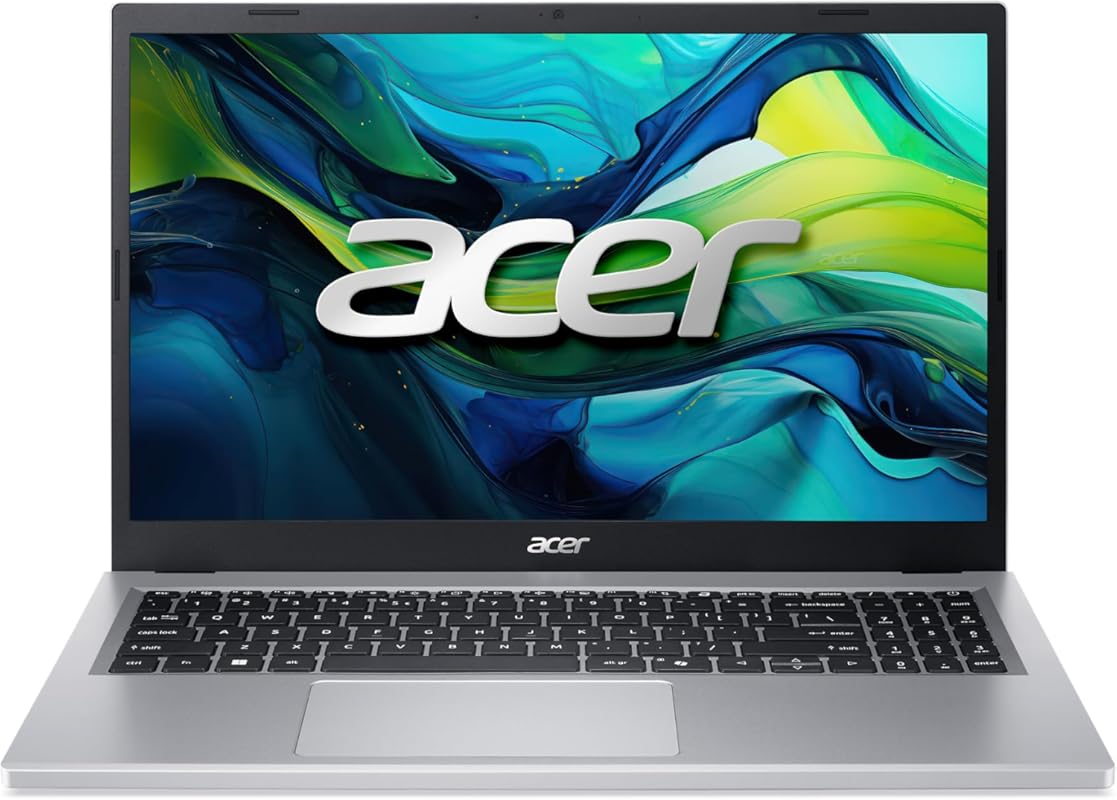 |
Check Price |
Our Top 1 Best Laptop For Accountant Reviews – Expert Tested & Recommended
1. Acer Aspire Go 15 AI Ready Laptop: 15.6″ FHD IPS, AMD Ryzen 3, 8GB LPDDR5 RAM, 128GB SSD, Wi-Fi 6
The Acer Aspire Go 15 laptop is designed for exceptional quality and performance, making it a great option for accountants. It offers smooth multitasking with its AMD Ryzen 3 processor and 8GB of RAM, perfect for running accounting software. Plus, its AI features and immersive display enhance productivity and user experience.
Key Features That Stand Out
- ✓ Powerful AMD Ryzen 3 Processor for swift task management.
- ✓ 8GB LPDDR5 RAM for seamless multitasking and application switching.
- ✓ 15.6″ FHD IPS Display offering clear visuals for detailed spreadsheets.
- ✓ Wi-Fi 6 Support for faster and more reliable internet connections.
- ✓ Copilot in Windows for AI-assisted productivity.
Why We Recommend It
This Acer Aspire Go 15 is a fantastic choice for accountants seeking a balance of performance and value. Its capable hardware ensures that your accounting software runs smoothly, while features like Copilot in Windows can streamline workflows and boost efficiency.
Best For
It’s particularly well-suited for accountants who need a reliable and capable laptop for daily tasks, data entry, and managing financial software without breaking the bank.
Pros and Cons
Pros:
- Excellent value for money.
- Good performance for everyday accounting tasks.
- Clear and vibrant display for comfortable viewing.
- Modern AI features to boost productivity.
Cons:
- Keyboard is not backlit, which can be inconvenient in low light.
- 128GB SSD might be limiting for very large files or extensive software installations.
Customer Reviews
Customer Review:
This little PC is a great value. We now own three of them. I can highly recommend it.
Customer Review:
Good value for the money, you’ll want a light as the keyboard is not back lighted, luckily you’re told this in advance.
Complete Buying Guide for Best Laptop For Accountant
Essential Factors We Consider
When choosing the best laptop for an accountant, we look at several key factors. Processing power is paramount; you need a CPU that can handle complex calculations and run multiple programs simultaneously without lag. Sufficient RAM, typically 8GB or more, is essential for multitasking with spreadsheets and accounting software. Storage is also important; an SSD (Solid State Drive) offers much faster boot times and application loading compared to traditional HDDs. Screen size and resolution matter for comfortable viewing of financial data, with 15-inch or larger screens and Full HD (1920×1080) resolution being ideal. Finally, portability and battery life are crucial for accountants who might travel or work remotely.
Budget Planning
Your budget will significantly influence your choices. While high-end laptops offer superior performance, there are excellent options available at mid-range prices that are perfectly suited for accounting professionals. For instance, laptops with AMD Ryzen 3 or Intel Core i3 processors, 8GB RAM, and 256GB SSDs often provide the best bang for your buck. If your budget is tighter, consider refurbished models from reputable sellers, but always ensure they come with a warranty. Investing in a laptop that meets your core needs without overspending is the smart financial approach for any accountant.
Final Thoughts
Ultimately, the best laptop for an accountant is one that enhances productivity, ensures data security, and provides a comfortable computing experience. By carefully considering the specifications – processor, RAM, storage, display, and battery life – you can find a machine that perfectly aligns with your professional requirements and budget. Don’t forget to factor in features like keyboard comfort and the availability of essential ports for peripherals. Making a thoughtful choice now will pay dividends in efficiency and accuracy for years to come.
Frequently Asked Questions
Q: What is the minimum RAM needed for accounting software?
A: For most accounting software and general multitasking, a minimum of 8GB of RAM is recommended. However, if you frequently work with very large datasets or run multiple demanding applications simultaneously, 16GB of RAM would provide a smoother experience.
Q: Is a dedicated graphics card necessary for accounting work?
A: Generally, no. Integrated graphics found in most standard processors are more than sufficient for accounting tasks, which are typically CPU and RAM-intensive rather than graphics-intensive. A dedicated graphics card is usually only needed for specialized visualization or CAD software, which isn’t common in accounting.
Q: How important is the display resolution for accountants?
A: Display resolution is quite important. A Full HD (1920×1080) resolution on a 15-inch or larger screen allows you to see more data on your spreadsheets without excessive scrolling, improving efficiency and reducing eye strain. Higher resolutions can further enhance clarity.
Q: Should I prioritize SSD over HDD for my accounting laptop?
A: Absolutely. An SSD (Solid State Drive) significantly speeds up boot times, application loading, and file transfers compared to an HDD (Hard Disk Drive). For accountants dealing with large files and software, an SSD is a crucial component for a responsive and efficient workflow.
Q: What screen size is best for an accountant’s laptop?
A: A 15.6-inch screen is often considered the sweet spot for accountants, offering a good balance between screen real estate for data viewing and portability. Larger screens (17-inch) provide more space but reduce portability, while smaller screens (13-inch) can feel cramped for detailed work.
Choosing the right laptop is a significant decision for any accounting professional. The right machine not only streamlines daily tasks but also ensures reliability and accuracy. We hope this guide has provided valuable insights into selecting the best laptop for accountant needs. Take your time, consider your specific software requirements and budget, and invest in a tool that will empower your financial work. Explore the options presented and make a choice that will boost your productivity and comfort!



