


Choosing the right laptop is crucial for accounting students. You need a device that can handle spreadsheets, accounting software, and research without breaking the bank. Portability, battery life, and a comfortable keyboard are also key. We’ve rounded up some of the best options that balance performance, affordability, and student-friendly features.
Quick Product Comparison
| Product | Image | Check Price |
|---|---|---|
| 1. ASUS CX1 Chromebook Flip Laptop | 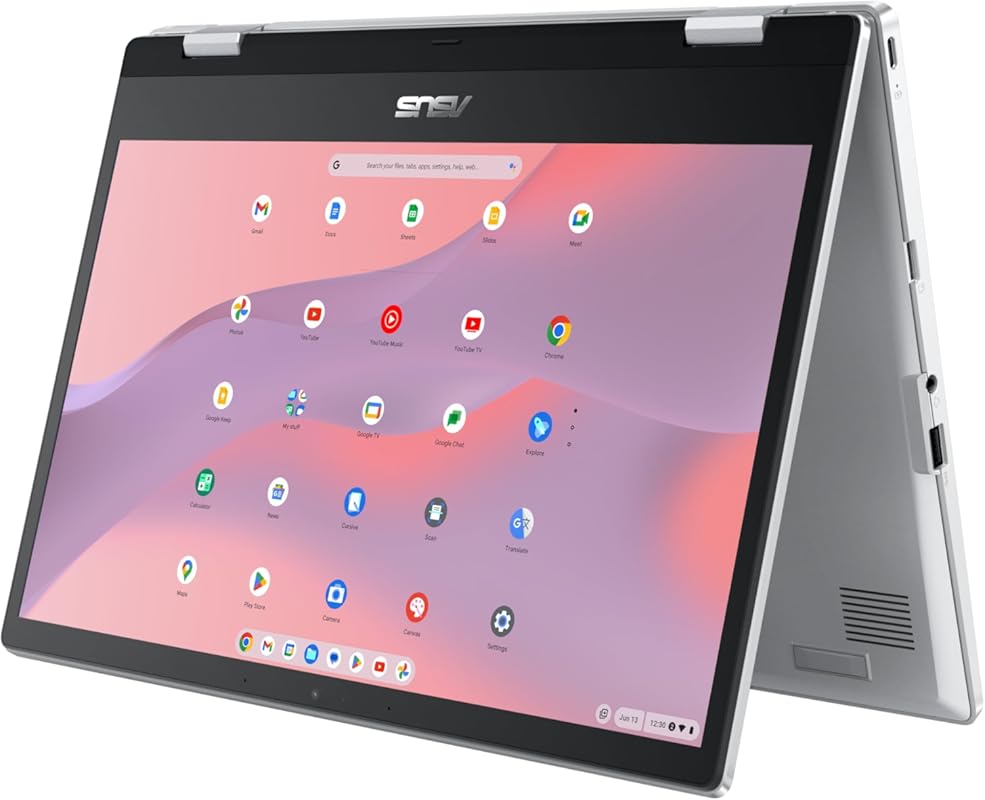 |
Check Price |
Our Top 1 Best Laptop For Accounting Students Reviews – Expert Tested & Recommended
1. ASUS CX1 Chromebook Flip Laptop
The ASUS CX1 Chromebook Flip Laptop is a fantastic option for accounting students seeking a reliable and affordable device. It offers a smooth multitasking experience thanks to its Intel Celeron processor and 8GB of RAM, perfect for running accounting software and managing spreadsheets. The 14-inch Full HD touchscreen display provides clear visuals, and its 360-degree flip design adds versatility for note-taking or presentations. Plus, the 128GB eMMC storage is ample for most student needs.
Key Features That Stand Out
- ✓ Intel Celeron N4500 Processor for decent multitasking
- ✓ 14-inch FHD (1920×1080) NanoEdge touchscreen
- ✓ 8GB RAM for smoother operation
- ✓ 128GB eMMC storage
- ✓ ChromeOS for a lightweight and secure experience
Why We Recommend It
We recommend this ASUS CX1 Chromebook Flip because it strikes an excellent balance between cost and functionality. Accounting students often need to run multiple applications simultaneously, and the 8GB of RAM ensures this Chromebook can handle that without significant lag. Its durable build and long battery life make it ideal for carrying around campus.
Best For
This laptop is best for accounting students who prioritize affordability, portability, and a user-friendly operating system for their coursework.
Pros and Cons
Pros:
- Excellent value for money.
- Versatile touchscreen and 360-degree hinge.
- Lightweight and portable design.
- Good battery life for a full day of classes.
Cons:
- Celeron processor may struggle with extremely demanding tasks.
- eMMC storage is slower than SSD.
Customer Reviews
“I personally wanted it just for the work. I wasn’t in the need of a laptop, that’s why I bought a chromebook.1. Packing is awesome (ASUS as always good), nice box with handle, inside of it the chromebook itself and 45W USB-C charger + some papers.2. Setting up was fast, since I have an Android, but “
— Verified Purchaser
“Good flex Chromebook with extended warranty if you register.Celeron processor limits it somewhat, but fine for web surfing, email and google functions.Links to my Pixel watch.”
— Tech Enthusiast
Complete Buying Guide for Best Laptop For Accounting Students
Essential Factors We Consider
When choosing the best laptop for accounting students, we focus on several key areas. Processing power is crucial for running demanding accounting software like QuickBooks or SAP, so we look for at least an Intel Core i5 processor or equivalent. Adequate RAM, ideally 8GB or more, ensures smooth multitasking between spreadsheets, databases, and research tabs. Storage is another consideration; while SSDs offer speed, a larger eMMC might suffice for basic needs if budget is tight. A comfortable keyboard and a bright, clear display are essential for long study sessions. Battery life should ideally last a full day of classes. Lastly, durability and build quality are important for a device that will be carried around campus.
Budget Planning
Accounting students often operate on a student budget, so finding a laptop that offers the best value is paramount. Chromebooks and some Windows laptops offer excellent performance for under $500. While investing in a higher-end machine might seem tempting, often a mid-range option with sufficient specs will serve your accounting needs perfectly. Consider refurbished or older models from reputable brands if your budget is extremely limited, but always check the warranty and return policy. Remember to factor in the cost of any essential software you might need.
Final Thoughts
Ultimately, the best laptop for accounting students is one that meets your specific academic requirements without overstretching your budget. Prioritize performance for your core accounting tasks, but don’t overlook portability and battery life for a better student experience. The options we’ve highlighted provide a great starting point for finding a reliable companion throughout your studies.
Frequently Asked Questions
Q: What are the minimum RAM and storage requirements for accounting software?
A: Most accounting software recommends at least 8GB of RAM for smooth operation, especially when multitasking. For storage, an SSD of 256GB or more is ideal for faster load times, but 128GB can suffice if you rely heavily on cloud storage or have lighter software needs.
Q: Do I need a dedicated graphics card for accounting?
A: Generally, no. Accounting software and tasks like spreadsheet analysis do not require a powerful dedicated graphics card. Integrated graphics found in most mainstream processors are more than sufficient.
Q: Is a touchscreen laptop beneficial for accounting students?
A: A touchscreen can be beneficial for quick note-taking, annotating documents, or using stylus-enabled features if your software supports it. However, it’s not a necessity for most accounting tasks.
Q: How important is the operating system for an accounting student?
A: Windows is the most common operating system for business and accounting software. While macOS and ChromeOS can run many applications, it’s wise to check compatibility with specific software required by your course or future employer.
Q: Should I consider a 2-in-1 laptop?
A: A 2-in-1 laptop offers the flexibility of a tablet and a laptop. For accounting students, this can be great for taking notes in class or using it in tablet mode for presentations, but it often comes at a higher price point.
Finding the right laptop is a significant step towards academic success. We hope this guide has demystified the process and helped you identify the best laptop for accounting students. Don’t be afraid to explore different options, and always consider your personal workflow and budget. Happy studying!



