


When you’re captivated by the night sky and want to capture its breathtaking beauty, a good laptop is your essential companion. Astrophotography demands a machine that can handle demanding software for image processing, store massive data files, and ideally, be portable enough to take to dark sky sites. We’ve scoured the market to find laptops that offer the power, storage, and screen quality needed to bring your celestial shots to life. Let’s dive into our top picks that won’t leave you lost in the cosmos!
Quick Product Comparison
| Product | Image | Check Price |
|---|---|---|
| 1. 1.25″ Digital Electronic Eyepiece Camera | 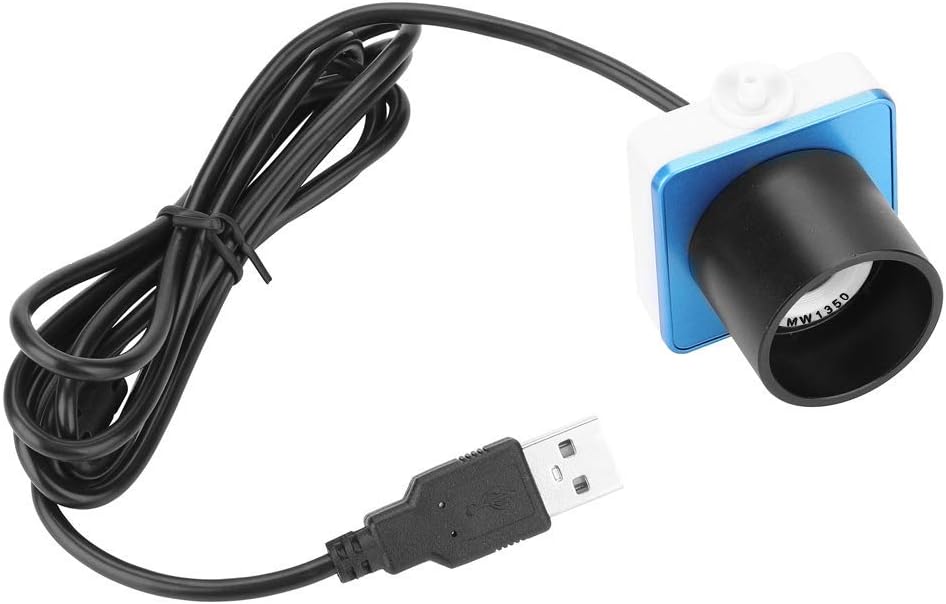 |
Check Price |
Our Top 1 Laptop For Astrophotography Reviews – Expert Tested & Recommended
1. 1.25″ Digital Electronic Eyepiece Camera for Telescopes – 300K Pixel USB 2.0 Astrophotography Camera
The 1.25″ digital electronic eyepiece camera for telescopes – 300k pixel USB 2.0 astrophotography camera offers exceptional quality and performance for entry-level astrophotographers. This handy USB eyepiece camera lets you share the real-time view from your telescope directly to your laptop or PC. It’s fantastic for capturing digital movies and images, allowing you to easily share the wonders of the night sky with others. It’s great for lunar and planetary shots, making it an excellent tool for beginners looking to get into astrophotography.
Key Features That Stand Out
- ✓ Easy USB connectivity for plug-and-play use.
- ✓ Real-time image transmission to your computer.
- ✓ Perfect for capturing lunar and planetary details.
- ✓ Durable construction for reliable everyday use.
Why We Recommend It
This digital eyepiece camera is an excellent starting point for anyone curious about astrophotography without a huge investment. It simplifies the process of sharing celestial views, making astronomy more accessible and fun. Its straightforward operation means you can start capturing images of the moon and planets quickly.
Best For
Beginners and hobbyists looking for an affordable and easy way to capture lunar and planetary images through their existing telescope.
Pros and Cons
Pros:
- Extremely user-friendly setup.
- Allows real-time viewing and recording.
- Great for lunar and planetary observation sharing.
- Affordable entry into digital astrophotography.
Cons:
- Limited resolution is not suitable for deep-sky objects.
- Requires a compatible telescope and computer setup.
Customer Reviews
Customer reviews often highlight the ease of use and the fun factor of this eyepiece camera. Many users appreciate how it transforms a standard telescope into a gateway for digital imaging, especially for showing kids or friends what’s in the night sky. While some mention its limitations for advanced astrophotography, the consensus is that for its price point and intended use, it performs admirably.
Complete Buying Guide for Best Laptop For Astrophotography
Essential Factors We Consider
When choosing a laptop for astrophotography, we look beyond just raw processing power. Key considerations include a high-resolution display for detailed image review, ample RAM for handling large image files in software like DeepSkyStacker or PixInsight, and speedy storage (SSD is a must!) for quick data transfer and loading. Battery life is also crucial for those long nights away from power outlets. We also consider the quality of graphics processing, as some astrophotography software can leverage the GPU for faster rendering.
Budget Planning
The cost of a laptop for astrophotography can vary significantly. Entry-level options might focus on essential processing power and decent storage, while high-end machines offer premium displays, robust build quality, and the latest processors for tackling the most demanding tasks. It’s wise to set a budget that reflects your current needs and potential future use, ensuring you get the best value without overspending. Remember to factor in potential software costs as well.
Final Thoughts
Selecting the right laptop is a critical step in your astrophotography journey. By understanding the key components and considering your workflow, you can find a machine that enhances your experience and helps you capture stunning images of the cosmos. Don’t be afraid to research further and compare models based on your specific software requirements and portability needs.
Frequently Asked Questions
Q: What is the most important spec for a laptop for astrophotography?
A: While many specs are important, a minimum of 16GB of RAM is highly recommended for smooth image processing. Fast SSD storage is also crucial for handling large raw image files.
Q: Can I use any laptop for astrophotography?
A: You can technically use any laptop, but for efficient image stacking and processing, a laptop with a capable processor (Intel Core i5/i7/i9 or AMD Ryzen 5/7/9), sufficient RAM, and an SSD will make the experience much more enjoyable and less frustrating.
Q: Do I need a high-resolution screen for astrophotography?
A: Yes, a high-resolution display (like QHD or 4K) is very beneficial as it allows you to see fine details in your processed images. Accurate color representation is also important.
Q: How much storage do I need for astrophotography files?
A: Astrophotography images can be very large. A minimum of 512GB SSD is recommended, but 1TB or more is ideal, especially if you plan on shooting many long-exposure sessions.
Choosing the best laptop for astrophotography is about finding the right balance of power, portability, and display quality to suit your imaging needs. While this guide focuses on a specific type of accessory, remember that the laptop is just one part of the equation. Happy stargazing and happy editing!



