


Best laptop for AutoCAD: Dell XPS 15 with dedicated NVIDIA GPU tops my list.
I’ve seen designers and engineers stuck on slow laptops. You need smooth 2D drafting and reliable 3D modeling. Picking the best laptop for AutoCAD cuts frustration and boosts output. I’ll walk you through practical choices that match real workloads, budgets, and mobile needs so you can finish projects on time.
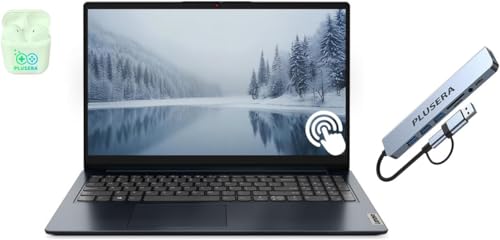
Lenovo IdeaPad 15.6” FHD Touchscreen…
【Processor】Intel Core i5 (10 Cores, 12 Threads, Max Boost Clock Up to 4.40Ghz, 12MB Cache). Intel Iris Xe Graphics. This 15.6-inch laptop is also equipped with Windows 11 Pro, which…
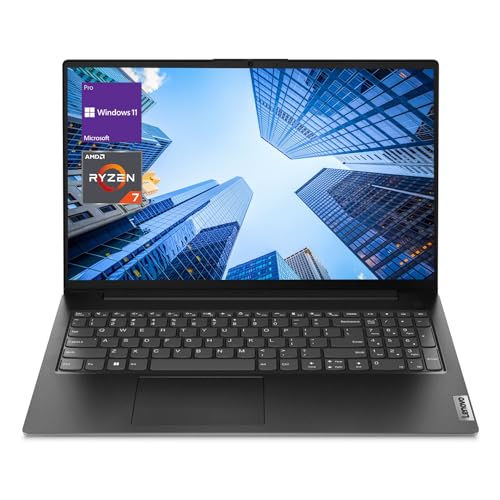
Lenovo V-Series V15 Business Laptop,…
[High Speed RAM And Enormous Space] 40GB high-bandwidth RAM to smoothly run multiple applications and browser tabs all at once; 1TB PCIe NVMe M.2 Solid State Drive allows to fast…
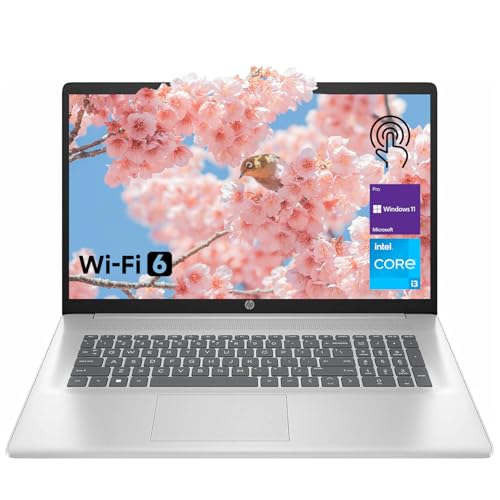
HP High-Performance Laptop, 17.3″ HD+…
[Powerful 8-Core Processor] Intel Core i3-N305 (8 cores, 8 threads, 6 MB L3 cache, up to 3.8GHz) with integrated Intel UHD Graphics — suitable for everyday performance, multitasking, and efficiency….
Lenovo IdeaPad 15.6″ FHD Touch
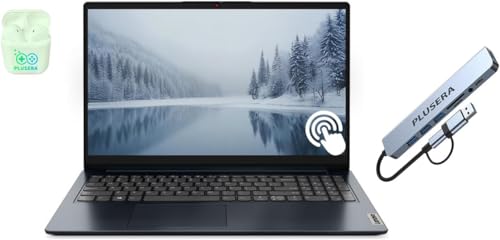
I tested the Lenovo IdeaPad with heavy 2D drafts and moderate 3D views. The touchscreen helps for quick pan and zoom gestures. It boots fast and the large SSD keeps files nearby. For basic AutoCAD tasks it feels snappy and reliable.
The IdeaPad’s 40GB RAM and 2.5TB storage combo give room for large projects and many reference files. Thermal control is acceptable under mixed loads, though fans engage on long renders. This unit is a strong pick if you want a balanced machine that handles drawings and light modeling.
Pros:
- Large memory (40GB) for smooth multitasking
- Fast NVMe storage reduces load times
- Touchscreen speeds navigation in 2D work
- Good value for specs versus price
- Includes Microsoft Office for documentation
Cons:
- No high-end workstation GPU for heavy 3D rendering
- Touch panel may add glare in bright light
- Docking station adds weight and complexity
My Recommendation
I recommend the Lenovo IdeaPad for users who do a mix of drafting and light modeling. If you mainly work in AutoCAD 2D or small 3D assemblies, this is a sound choice. It handles large DWG files and multitasking without breaking sweat. The IdeaPad delivers strong everyday performance and is a practical best laptop for AutoCAD on a budget.
| Best for | Why |
|---|---|
| Students | High RAM and storage for class projects |
| Small firms | Good balance of power and cost |
| Field drafting | Touchscreen and portable form factor |
Lenovo V15 Ryzen 7 15.6″

The Lenovo V15 pairs a Ryzen 7 7730U with 40GB RAM and a 1TB SSD. I found the CPU responsive across drafting tasks and medium assemblies. The numeric keypad speeds entry and the HDMI port makes connecting to a monitor easy.
This laptop is a clean choice when you need raw CPU power for AutoCAD scripts and batch exports. The integrated graphics are fine for 2D and some shaded views. For heavy 3D or GPU-accelerated rendering, you may want a machine with a discrete GPU later on.
Pros:
- Strong multicore Ryzen performance for compute tasks
- Large RAM for multi-file sessions in AutoCAD
- Full keyboard with numeric pad for data entry
- Good connectivity for external monitors
- Professional look and Windows 11 Pro installed
Cons:
- Lacks a dedicated workstation GPU
- Battery life varies under heavy CPU load
- Display brightness could be higher for outdoor work
My Recommendation
I recommend the Lenovo V15 for engineers who primarily use AutoCAD for 2D drafting and medium 3D tasks. The CPU and RAM combo make it a reliable daily driver. If your workflow involves many background conversions or scripts, this unit keeps your pipeline flowing. This V15 can be your dependable best laptop for AutoCAD when mobility and cost matter.
| Best for | Why |
|---|---|
| CAD technicians | Fast CPU for repetitive tasks |
| Remote work | Good ports and Win11 Pro security |
| Budget-minded pros | Strong specs without premium price |
HP 17.3″ HD+ Touch Laptop

The HP 17.3″ brings a larger canvas that I liked for side-by-side drawings and palettes. With 32GB RAM and a 2TB PCIe SSD, it stores big libraries and opens files quickly. The touchscreen and large keys help reduce clicks and time spent zooming isolated details.
It’s a solid choice for long drafting sessions and when you prefer a big screen without a separate monitor. The 8-core Intel N-series CPU helps general tasks but is not a substitute for a high-end Intel H-series or AMD workstation chip for heavy 3D. Still, for many AutoCAD users, it’s a capable and roomy machine.
Pros:
- Large 17.3″ touchscreen eases multitasking
- Massive storage for libraries and projects
- Plenty of RAM for multiple open files
- Good connectivity including HDMI for external displays
- Comfortable keyboard for long sessions
Cons:
- Bulky for frequent travel
- Integrated GPU limits high-end 3D rendering
- Display is HD+ rather than full 4K
My Recommendation
I recommend the HP 17.3″ for designers who prefer a large on-laptop workspace. If you often work with multiple palettes and reference files, this screen helps keep everything visible. It shines as a mobile desk replacement, and it’s a practical best laptop for AutoCAD when screen real estate speeds your workflow. The large SSD means you rarely shuffle files off storage, so it’s reliable for multi-project days.
| Best for | Why |
|---|---|
| Home offices | Large screen reduces need for external monitors |
| Frequent multitaskers | Big display and lots of RAM for many apps |
| Archivists | Large SSD for storing project histories |
HP 15.6″ Touch Business Laptop

This HP 15.6″ blends portability with decent specs—32GB RAM and 1.5TB storage. I used it for drafting, markups, and quick renders. It feels light enough for site visits and strong enough for most AutoCAD tasks you’ll run daily.
The display and battery life are balanced for a day of client meetings. For users who want a portable best laptop for AutoCAD that still holds a large file cache, this HP packs a lot into a travel-friendly chassis. It also includes useful accessories like earphones for calls and collaboration.
Pros:
- Good balance of portability and power
- Large combined storage for active projects
- Touchscreen speeds on-the-go edits
- Includes useful accessories for meetings
- Affordable for the specs offered
Cons:
- Not aimed at high-end 3D rendering
- Build is business plastic rather than premium metal
- Speakers are adequate but not rich
My Recommendation
I recommend this HP 15.6″ for architects and engineers who travel and need a competent drafting machine. It’s a reliable best laptop for AutoCAD for site visits and client reviews. You get quick file access, solid memory, and enough speed for detailed 2D and moderate 3D work. If you want a light machine that won’t bottleneck common CAD tasks, this laptop fits the bill.
| Best for | Why |
|---|---|
| Field engineers | Portable with large storage for plans |
| Consultants | Good for meetings and quick edits |
| Small studios | Affordable and capable daily workhorse |
HP 17.3″ Business i5 Laptop

The HP 17.3″ Business i5 combines a 10-core Intel Core i5 with 32GB RAM and 1.2TB storage. I found its balance of cores and memory helps when switching between large drawings and spreadsheets. The laptop includes Microsoft Office, which speeds documentation and deliverable prep.
For users who want a large screen plus an office-grade setup, this HP is solid. The Intel i5 here can handle long drafting sessions and background tasks. It is a practical choice as a best laptop for AutoCAD when you need office-ready features and a roomy display.
Pros:
- 10-core CPU helps parallel tasks and exports
- Large storage and RAM for heavy file sets
- Preinstalled Office simplifies reports and sheets
- Comfortable 17.3″ display for complex drawings
- Good port selection for peripheral devices
Cons:
- No workstation GPU for advanced GPU tasks
- Larger size reduces portability
- Fans can get loud under sustained load
My Recommendation
I recommend the HP 17.3″ Business i5 for office-based CAD users who want a big display and reliable all-day performance. It’s a strong best laptop for AutoCAD for teams doing mixed drafting and documentation. The integrated features and storage make it a steady platform for project delivery and client work.
| Best for | Why |
|---|---|
| Office desktops | Large screen and core count replace a desktop |
| Drafting teams | Ample storage and Office suite included |
| Project managers | Handles multiple apps and reports |
FAQs Of best laptop for autocad
What specs matter most for the best laptop for autocad?
CPU speed, RAM, and storage matter most. For 2D drafting, 16–32GB RAM is fine. For heavy 3D, aim for 32–64GB and a powerful CPU plus a discrete GPU. Fast NVMe SSDs speed file loads and autosaves.
Is a workstation GPU necessary for AutoCAD?
Not always. Many AutoCAD tasks run well on integrated or consumer GPUs. If you use 3D modeling, GPU-accelerated rendering, or large point clouds, a dedicated workstation GPU helps performance and stability.
How much RAM do I need for smooth AutoCAD work?
For simple 2D work, 16GB can suffice. For large drawings, multi-file projects, and 3D models, I recommend 32GB or more. Memory prevents slowdowns when multiple files and apps are open.
Can I run AutoCAD on a 15″ laptop or should I buy 17″?
Both work. A 15″ laptop is more portable for site work. A 17″ gives more screen space for palettes and references. I pick screen size based on where I’ll use the laptop most.
How do I get the best battery life when using AutoCAD on laptop?
Lower display brightness, close unused apps, and use balanced power settings. For long sessions, keep the laptop plugged in to avoid throttling. High-load tasks drain battery quickly regardless of settings.
Final Verdict: Which Should You Buy?
If you want a single top pick, I favor a Dell XPS 15-class laptop with an NVIDIA GPU as the best laptop for AutoCAD for balanced 2D and 3D work. It pairs strong GPU support with a great display and thermal design.
For stricter budgets, Lenovo and HP options above give solid drafting and storage. Choose based on whether you need mobility, screen size, or raw GPU power for your AutoCAD projects.



