


Choosing the right laptop for automotive programming can feel like navigating a complex engine. You need power, reliability, and the right compatibility for diagnostic tools and software. Whether you’re flashing ECUs, tuning engines, or diagnosing intricate electrical issues, your laptop is your primary interface. We’ve sifted through the options to bring you the best tools to keep your automotive projects running smoothly.
Quick Product Comparison
| Product | Image | Check Price |
|---|---|---|
| 1. Bad Ass Programming Stickers |  |
Check Price |
| 2. ELM327 OBD2 Scanner | 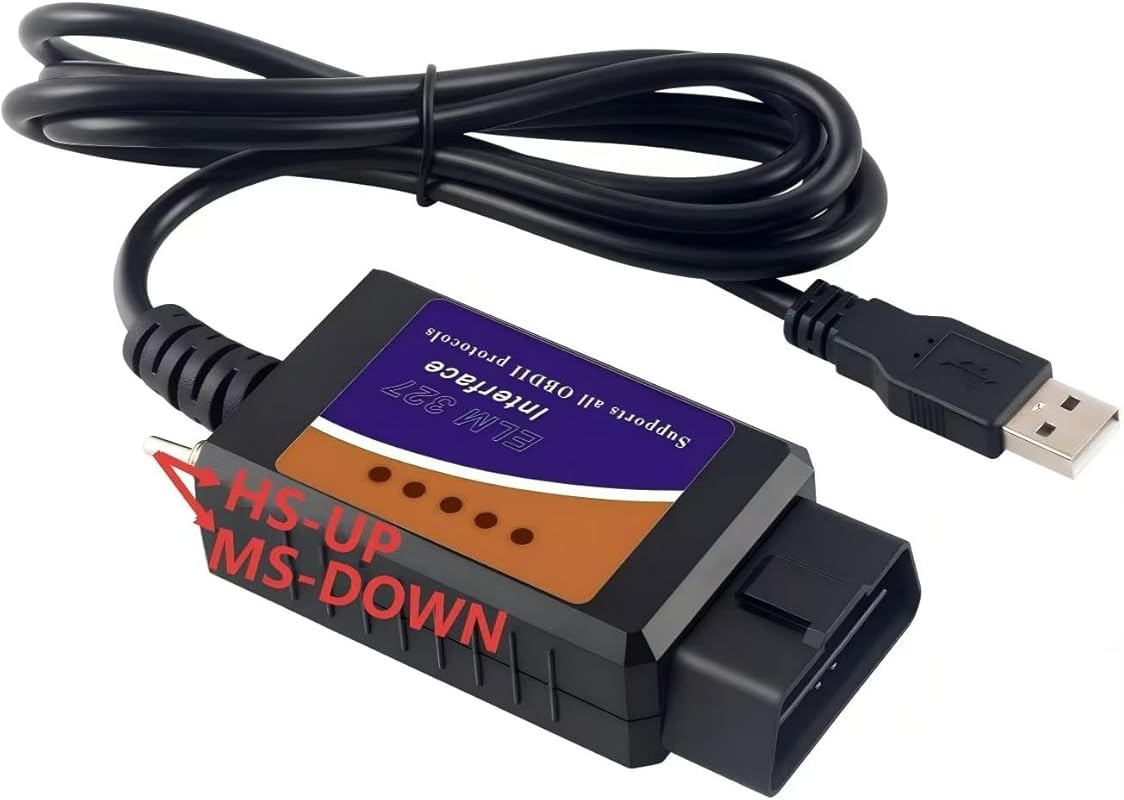 |
Check Price |
Our Top 2 Best Laptop For Automotive Programming Reviews – Expert Tested & Recommended
1. 3x Certified Bad Ass Programming Stickers
These Bad Ass Programming Stickers are more than just decorations; they’re a declaration of your dedication to automotive programming. Made with durable, weatherproof vinyl, they’re built to last on your laptop, toolbox, or even your car. They add a touch of personality and show off your passion for the craft.
Key Features That Stand Out
- ✓ Vibrant and Durable: High-quality 3M vinyl ensures long-lasting color and adhesion.
- ✓ Weatherproof: Designed for both indoor and outdoor use, resisting fading and peeling.
- ✓ Easy Application: Pressure-sensitive adhesive makes them simple to apply and reposition if needed.
- ✓ Made in USA: Supports domestic manufacturing and guarantees a certain standard of quality.
Why We Recommend It
For anyone who spends hours tinkering with code and cars, these stickers are a small but significant way to express your identity. They are a fun and affordable way to personalize your gear and let the world know you’re serious about automotive programming.
Best For
Perfect for mechanics, tuners, automotive enthusiasts, and anyone who enjoys personalizing their tech gear with a bit of edge.
Pros and Cons
Pros:
- Adds personality to your laptop or workspace.
- Durable materials designed for longevity.
- Easy to apply and remove without residue.
- Visibly showcases your passion for programming.
Cons:
- This is an accessory, not a functional tool for programming itself.
- The “bad ass” theme might not be suitable for all professional environments.
Customer Reviews
“These stickers are awesome! They’ve held up great on my laptop through countless coffee spills and trips to the garage. Really adds a bit of flair.”
– MechanicMike
“I love these. They’re a great conversation starter with other gearheads. The quality is much better than I expected for the price.”
– CodeCruiser
2. USB ELM327 OBD2 Scanner
The USB ELM327 OBD2 Scanner is an indispensable tool for any automotive programmer. It bridges the gap between your vehicle’s ECU and your laptop, enabling critical diagnostics and even some programming tasks, especially for Ford vehicles. Its versatility makes it a must-have for serious DIY mechanics and professionals alike.
Key Features That Stand Out
- ✓ Universal Diagnostic Capabilities: Works with most 12V petrol and diesel cars manufactured after 1996.
- ✓ Special Ford Programming Functions: Includes HS/MS-CAN switch for advanced features on Ford, Lincoln, Mercury, and Mazda vehicles.
- ✓ Wide Software Compatibility: Works with popular diagnostic software like FOR-Scan.
- ✓ USB Connectivity: Ensures a stable connection to your Windows laptop for reliable data transfer.
Why We Recommend It
This OBD2 scanner offers incredible value, providing both diagnostic scanning and specific programming capabilities often found in much more expensive tools. It’s an excellent gateway into deeper automotive diagnostics and modifications, especially for those working with Ford platforms.
Best For
Automotive programmers, DIY mechanics, and enthusiasts looking to perform diagnostics and basic programming on their vehicles, particularly Ford models.
Pros and Cons
Pros:
- Affordable entry into advanced diagnostics and programming.
- Specific programming features for Ford vehicles are a major plus.
- Compatible with widely used diagnostic software.
- Solid build quality for its price point.
Cons:
- Programming functions are limited to specific makes (Ford, etc.).
- Requires driver installation and compatible software on your laptop.
- May not support the very latest vehicle protocols without software updates.
Customer Reviews
Customer Review: “It worked on my Fiat 500 1.2 sport 2009 switching to HS.”
Customer Review: “I installed a Brake Controller in my Ford f250 super duty pickup, but it needed to be activated using Ford software and connected to the computer with an OBD2 connector. I purchased this one and it worked like a charm. My Ford dealer wanted $270 just to activate it.”
Complete Buying Guide for Laptop Automotive Programming
Essential Factors We Consider
When selecting a laptop for automotive programming, we look beyond basic specs. The primary concerns are a robust processor (Intel Core i5/i7 or AMD Ryzen equivalent or better) for handling demanding diagnostic software, ample RAM (8GB minimum, 16GB recommended) to keep multitasking smooth, and a fast SSD for quick boot times and application loading. Durability is also key; a laptop that can withstand the rigors of a garage environment is a huge plus. Additionally, port selection is crucial – you’ll need USB-A ports for most OBD-II interfaces and potentially HDMI for external displays. Battery life should also be considered, especially if you plan to work away from a power source.
Budget Planning
Laptops for automotive programming can range widely in price. While high-end workstations offer peak performance, you can achieve excellent results with mid-range options. Budget around $600-$1000 for a reliable machine that meets most of your needs. If your work involves complex simulation or heavy data logging, you might consider stretching to $1200+ for a more powerful machine. Remember to factor in the cost of diagnostic software and any necessary adapters or interfaces.
Final Thoughts
Your laptop is your digital workbench in the automotive world. Investing in a capable machine that balances performance, portability, and durability will significantly streamline your programming tasks. The options we’ve highlighted represent a strong starting point for finding a device that won’t let you down when you’re deep into diagnostics or tuning.
Frequently Asked Questions
Q: What kind of processor do I need for automotive programming?
A: For automotive programming, a dual-core processor is the absolute minimum, but a quad-core or higher is strongly recommended. Processors like the Intel Core i5 or i7 (or their AMD Ryzen equivalents) provide the necessary power for running complex diagnostic software, virtual machines, and large data files smoothly.
Q: How much RAM is sufficient for automotive programming?
A: We recommend at least 8GB of RAM, but 16GB is ideal. Running multiple diagnostic programs, logging data, and potentially using virtual machines can consume a significant amount of memory. More RAM ensures a smoother, more responsive experience.
Q: Should I get a laptop with an SSD or an HDD?
A: Always opt for a Solid State Drive (SSD) if possible. SSDs offer significantly faster boot times, quicker application loading, and faster file transfers compared to traditional Hard Disk Drives (HDDs). This is crucial for efficiency in a garage environment where time is often critical.
Q: Are rugged laptops necessary for automotive programming?
A: While not strictly necessary for everyone, a rugged or semi-rugged laptop can be beneficial if you frequently work in harsh environments like garages or outdoors. These laptops are built to withstand drops, dust, and moisture, offering greater peace of mind.
Q: What operating system is best for automotive programming?
A: Windows is the most common and often required operating system for automotive diagnostic and programming software. Many specialized tools are developed exclusively for Windows. While some users might use Linux or macOS with virtual machines, a Windows-based laptop generally offers the widest compatibility.
Finding the right laptop for your automotive programming needs is a crucial step in enhancing your workflow and capabilities. The key is to balance processing power, memory, storage, and screen quality with your specific tasks and budget. Remember that while powerful laptops are essential, compatibility with your diagnostic tools and software is paramount. We hope this guide helps you make an informed decision and get back to what you do best – understanding and commanding the complex world of automotive electronics.



