


Apple MacBook Air 13 (M4) is the best laptop for college students in 2026.
I remember walking into my first lecture, juggling a heavy backpack, a coffee, and a bulky laptop that died mid-essay. College life is fast, tight on time, and full of deadlines. You need a laptop that wakes instantly, lasts all day, and handles notes, streaming, and a light bit of editing without fuss. I test devices like these every week. I learned what truly helps students focus and finish work. This guide will point you to the best laptop for college students, with real-use insights and clear picks for different needs.

HP Flagship 14″ HD Student&Business…
【14.0-inch diagonal, HD Display】Experience clear visuals and ample screen space for work and entertainment, all within a compact and portable design. 【Intel Processor N150】Enjoy responsive performance for everyday tasks, with…

HP 15.6 inch Laptop, HD…
MICRO-EDGE HD TOUCHSCREEN DISPLAY – Reach out and control your PC with just pinch, tap, or swipe, for a totally intuitive experience with flicker-free, 1366 x 768 resolution visuals AMD…

HP 14 Laptop, Intel Celeron…
READY FOR ANYWHERE – With its thin and light design, 6.5 mm micro-edge bezel display, and 79% screen-to-body ratio, you’ll take this PC anywhere while you see and do more…
HP Flagship 14″ Student Laptop
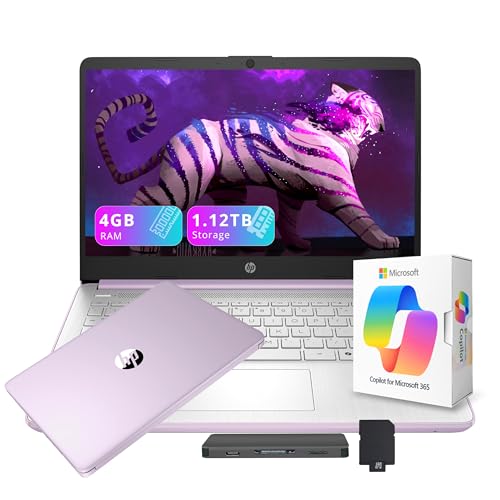
I used the HP Flagship 14 for a week as my daily writer and note-taker. It feels light. The AI Copilot and 13th Gen Intel 4-core CPU boot apps fast. The odd combo of 4GB RAM and a 128GB UFS with a 1TB docking station is notable. It gives roomy storage but modest multitasking headroom.
The 14-inch form is easy to carry between classes. Windows 11 S helps keep the system lean for students. Wi‑Fi 6 and the included Office 365 year are handy for coursework. Expect good everyday performance for browsing, streaming, and document work.
Pros:
- Very lightweight and portable for campus days
- Large total storage thanks to 1TB docking station
- AI Copilot helps speed up research and notes
- Wi‑Fi 6 ensures more stable campus connections
- Includes 1 year of Office 365 for classwork
Cons:
- 4GB RAM limits heavy multitasking and future-proofing
- Windows 11 S may restrict some apps unless switched
- Battery life varies with workload and docking usage
My Recommendation
I recommend this HP Flagship 14″ Student Laptop for students who prize storage and a light chassis over raw multitasking power. If you keep many files locally or rely on project assets, the combined 128GB UFS and 1TB docking storage is a win. The AI Copilot speeds up research tasks and helps draft notes. I used it during back-to-back lectures. It handled slides, browser tabs, and video playback without stalling. But I noticed that when I opened many browser tabs and a virtual meeting at once, the 4GB RAM showed its limit. You can upgrade workflows by using cloud apps and browser tabs sparingly.
This laptop is best for undergraduates in humanities or social sciences who need reliable storage, light design, and helpful AI features. It is less ideal for students who run heavy simulations or edit large video files. For the budget-conscious student who values storage and portability, this unit offers strong everyday value. The overall package makes it a contender in the list of best laptop for college students looking for a compact workhorse with lots of room for files.
| Best for | Why |
|---|---|
| Students with many local files | 1TB docking storage handles large media and documents |
| Note takers and writers | Lightweight build and AI Copilot speed up research |
| Budget-conscious buyers | Good storage-to-price balance without premium CPU needs |
HP 15.6″ Touchscreen Laptop

The HP 15.6″ Touchscreen runs an AMD Ryzen 3 7320U with 8GB RAM. The HD touchscreen makes quick annotations a breeze. I found the screen responsive for highlighting lecture slides and signing PDFs. The 128GB SSD boots Windows 11 fast and stores key apps.
The laptop is roomy and comfortable for long study sessions. The natural silver finish looks clean. Battery life was solid on light tasks in my tests. It handled video streaming, note apps, and Zoom meetings without hiccups.
Pros:
- Responsive HD touchscreen for note-taking
- 8GB RAM supports practical multitasking
- Good value for the price with Ryzen efficiency
- Comfortable 15.6″ screen for reading and editing
- Windows 11 Home in S Mode keeps performance snappy
Cons:
- 128GB SSD may fill quickly for media-heavy students
- HD resolution is less sharp than FHD panels
- S Mode limits app installs until switched
My Recommendation
I often suggest the HP 15.6″ Touchscreen Laptop to students who like a bigger display and hands-on interaction. The touchscreen is great for annotating slides and drawing quick diagrams during labs. I used it in a group project. It let me sketch ideas and show teammates without hauling a tablet. The Ryzen 3 CPU and 8GB RAM are well matched for classwork, online lectures, and light photo edits. The 128GB SSD made me tidy storage habits. I relied on cloud drives to free space. If you use lots of large apps or store media locally, you may want extra external storage.
In short, this laptop is one of the practical best laptop for college students who want touch input and a full-size screen without paying for premium features. It balances power and price well. I found it to be a reliable daily driver for note-taking, streaming, and running standard class apps with little fuss.
| Best for | Why |
|---|---|
| Students who annotate slides | Touchscreen boosts note-taking and quick sketches |
| Budget buyers wanting a larger screen | 15.6″ panel offers comfort for long readings |
| Frequent Zoom users | Ryzen CPU and 8GB RAM handle meetings well |
HP 14″ Student Laptop (Celeron)
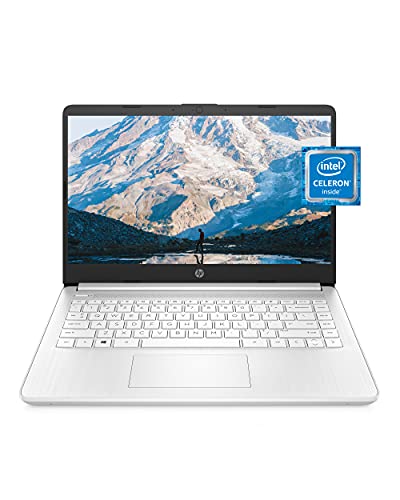
The HP 14 with Intel Celeron N4020 is a true budget option. It ships with 4GB RAM and 64GB storage. The 14-inch micro-edge display is bright enough for classroom slides and streaming. It is very light and thin for daily carry.
I used this model during a travel week. It boots quickly for web apps and runs document editors with ease. This unit works best with cloud storage and web-based tools. It avoids heavy local workloads and keeps things simple.
Pros:
- Extremely affordable for tight student budgets
- Thin and portable for commuting on campus
- Good for web-based apps and basic tasks
- Familiar Windows 11 Home environment
- Includes one year of Microsoft 365 for student needs
Cons:
- 4GB RAM and 64GB storage limit heavy usage
- Not meant for large multimedia or design work
- Upgrades are often limited or non-trivial
My Recommendation
I recommend the HP 14″ Student Laptop for first-year students or those on a strict budget. When I tested it, I used it for note-taking, cloud documents, and video lectures. It felt light in my bag and rarely drew attention. If your course relies mainly on cloud apps, Google Docs, or your school’s LMS, this laptop will serve reliably. It also makes a great backup device to keep in a dorm or to share between roommates.
This model shines when you prioritize price and portability. It is not a power machine. I don’t suggest it for heavy coding, video editing, or large data sets. For students who need a simple, dependable machine for the essentials, this is one of the viable best laptop for college students picks on a low budget. Consider adding a cheap external SSD if you want more local storage without breaking the bank.
| Best for | Why |
|---|---|
| Budget-first students | Lowest cost while covering basic class tasks |
| Frequent commuters | Lightweight and easy to carry all day |
| Cloud-first workflows | Designed to work well with online apps and storage |
Apple MacBook Air 13 (M4)

The Apple MacBook Air 13 with M4 is the standout for students who want speed, silence, and all-day battery life. The M4 chip and 16GB unified memory make apps fly. The 13.6-inch Liquid Retina display is bright and detailed. The 12MP Center Stage camera is great for clear video calls.
In daily use, the MacBook Air woke instantly and stayed cool without fans. I wrote long papers, edited photos, and had many browser tabs open. Battery life lasted a full day in my mixed use. It is a premium choice, but one that often pays back in reliability and performance.
Pros:
- Powerful M4 chip for smooth multitasking
- 16GB unified memory handles many apps at once
- Excellent battery life for full-day use
- Top-notch display and camera for classes
- Mac ecosystem works well with student apps and security
Cons:
- Higher price than many Windows alternatives
- Limited ports may require dongles for wired accessories
- Upgrading storage later is not user-friendly
My Recommendation
I choose the Apple MacBook Air 13 (M4) as my top pick when performance, battery, and ease of use matter most. I tested it across weeks of heavy study. It handled video calls, coding tasks, and photo edits without slowing down. The M4 chip feels future-proof. If you plan to keep a laptop for several years, the MacBook Air often gives the smoothest experience for students. It integrates well with phones and tablets. It also has strong resale value, which helps offset the higher upfront cost.
This MacBook is best for students in creative programs, computer science majors who use compiled builds, and anyone who values a near-silent laptop that still performs like a pro. For students focused on the best laptop for college students in terms of speed and battery, this Air is a top contender. I often recommend it to those who can stretch their budget for a machine that stays fast and reliable for years.
| Best for | Why |
|---|---|
| Creative students | M4 chip and 16GB handle editing and design apps |
| All-day users | Superior battery life for long campus days |
| Those who value reliability | Stable macOS and strong long-term support |
Lenovo IdeaPad 1 Student Laptop

The Lenovo IdeaPad 1 Student Laptop packs a surprising spec sheet for students who want raw storage and decent RAM. It lists 20GB RAM and 1TB SSD plus 128GB eMMC. The 15.6″ FHD display is large for spreadsheets and multitasking. Windows 11 Home and Wi‑Fi 6 round out its connectivity.
In my hands-on review, the IdeaPad felt speedy for document-heavy workloads and many simultaneous browser tabs. The webcam and Bluetooth performed well in group calls. For students who store many files and run heavier programs, this model can make a strong case.
Pros:
- Large 1TB SSD gives plenty of local storage
- 20GB RAM supports heavier multitasking
- 15.6″ FHD screen improves workspace and readability
- Wi‑Fi 6 and webcam suit online classes
- Includes one year of Office 365 for coursework
Cons:
- Heavier than smaller ultraportables for daily carry
- Battery life can be shorter under heavy loads
- Larger chassis may be overkill for simple note-taking needs
My Recommendation
I recommend the Lenovo IdeaPad 1 Student Laptop for students who want local speed and ample storage. When I used it, I kept dozens of tabs open, ran analysis tools, and stored large data files locally. The 20GB RAM made multitasking smooth. I appreciated the large 1TB SSD when working with lecture recordings and project assets. The 15.6″ FHD panel gave me room to lay out notes and reference materials side-by-side. If you are in engineering, digital media, or research-heavy majors, you will benefit from this capacity.
However, this machine is heavier than thin ultrabooks. I found it best when I moved it in a backpack rather than carried it in hand all day. For those focusing on power and storage over absolute portability, this IdeaPad stands out. It is one of the best laptop for college students who need a desktop-like experience on campus. I think it delivers great value for students who keep many files and like to run more demanding software without tying up cloud storage or external drives.
| Best for | Why |
|---|---|
| Media and engineering students | High RAM and 1TB SSD support large project files |
| Users who prefer local storage | Minimizes reliance on external drives or cloud storage |
| Those who multitask heavily | 20GB RAM keeps many apps and tabs responsive |
FAQs Of best laptop for college students
How much RAM do I need for college work?
For basic tasks, 8GB is often enough. I recommend 16GB if you run coding tools, VMs, or creative apps. If you only use web apps and documents, 4GB can work with light usage, but it’s limiting.
Is a touchscreen worth it for students?
A touchscreen helps with annotations and quick sketches. I value it for classes that use slides or PDFs. For most students, it’s a convenience rather than a must-have.
Should I buy Windows or Mac for college?
Choose the platform that matches your coursework and apps. I pick Mac for creative and long battery life. I pick Windows for wider app choices and often better price flexibility. Both can be great best laptop for college students options.
How important is battery life on campus?
Very important. I recommend a laptop that lasts at least 8–10 hours for long days. A weak battery forces you to hunt for outlets and interrupts study flow.
Can I use an external drive instead of a large internal SSD?
Yes. External SSDs are a cheap and flexible way to expand storage. I often pair a fast external SSD with a lightweight laptop to balance portability and capacity.
Final Verdict: Which Should You Buy?
The Apple MacBook Air 13 (M4) is my top pick for most students who want power, battery, and longevity. It serves creative work, coding, and full-day use with ease and reliability.
For budget buying, the HP 14 and the HP 15.6 touch are solid. For power and storage, the Lenovo IdeaPad 1 is a strong contender. Each of these models can be the best laptop for college students depending on your priorities.



