


Quick answer: The Apple MacBook Air 15-inch (M4, 2025) is the best laptop for day trading.
I remember the morning my screens froze right at the open. Orders waited. Charts lagged. A fast, reliable laptop would have saved me both time and money. Day traders need smooth charts, quick order entry, long battery life, and reliable connectivity. The right laptop removes friction, reduces stress, and helps you act fast when the market moves.

HP 15.6″ Laptop – Complete…
Upgraded to 8GB High-Speed Memory Boosted to 8GB RAM for improved multitasking — switch between apps, browser tabs, documents, and streaming without slowdowns. Large 640GB Storage Capacity Includes 128GB UFS…
HP 17.3“ Touch | Touchscreen…
POWERFUL PERFORMANCE: Powered by the AMD Ryzen 5 7430U processor and Up to 64GB DDR4 RAM for smooth multitasking, fast responsiveness, and reliable productivity. LARGE DISPLAY: Experience high performance with…

Apple 2025 MacBook Air 15-inch…
SPEED OF LIGHTNESS — MacBook Air with the M4 chip lets you blaze through work and play. With Apple Intelligence,* up to 18 hours of battery life,* and an incredibly…
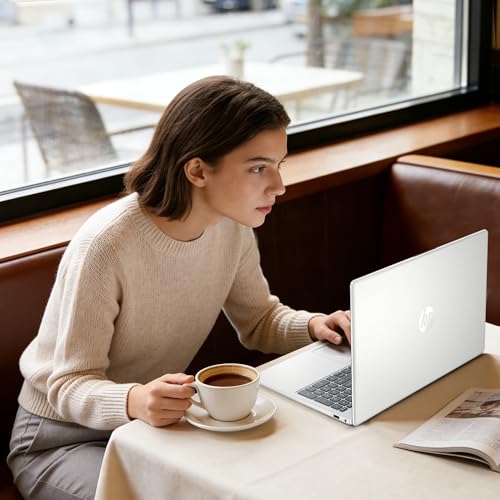
HP 15.6-inch Productivity Laptop

I like this HP 15.6-inch model for traders who want a ready-to-go machine with Microsoft Office and Windows 11. It includes an Intel N100 class processor, 8GB of RAM, and 1.6TB effective storage via a mix of local and cloud options. The screen is roomy enough for two small chart windows and a watchlist side-by-side.
This laptop is light and easy to carry to a cafe or co-working space when I trade on the go. Network connectivity is solid and the Copilot AI features add nice shortcuts for productivity. For day trading, it handles watchlists and browser-based platforms smoothly when I avoid too many parallel heavy apps.
Pros:
- Large 15.6-inch screen fits multiple windows well.
- Generous combined storage (128GB UFS + SD + cloud) reduces fear of full drives.
- Preloaded Office and Windows 11 speed setup for charting spreadsheets.
- Lightweight and portable for mobile trading days.
- Good battery life for long trading sessions away from a desk.
- Copilot AI tools help with quick task switching and notes.
Cons:
- Intel N100 is efficient but not ideal for heavy multi-app workflows.
- Integrated graphics limit external display performance at high refresh rates.
- Speakers and webcam are basic compared with premium laptops.
My Recommendation
I recommend this HP 15.6-inch Productivity Laptop for new and intermediate traders who want a dependable, easy-to-setup machine. If you mostly use web-based trading platforms, spreadsheets, and video calls, this laptop gives excellent value. It is not the absolute fastest for power multi-monitor rigs. Still, it is affordable and ready out of the box.
| Best for | Why |
|---|---|
| Beginner day traders | Easy setup with Office, Windows, and ample storage. |
| Mobile traders | Lightweight design and decent battery life keep you trading on the move. |
| Budget-focused traders | Strong value for features vs cost. |
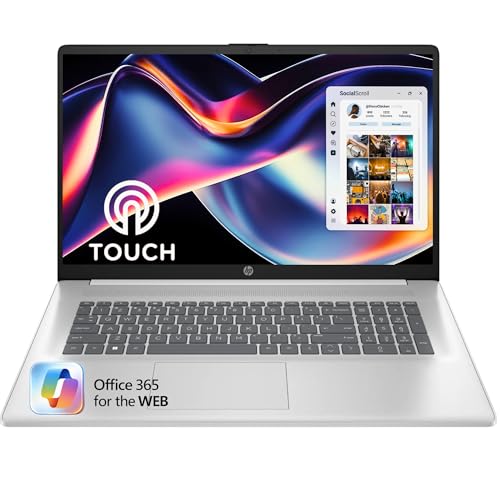
HP 17.3-inch Touch Laptop

This 17.3-inch HP Touch model packs an AMD Ryzen 5 7430U processor, 16GB RAM, and a 512GB SSD. The larger screen makes it easier to arrange multiple charts and trade tickets. The touchscreen adds a layer of convenience when I swipe between charts or tap small controls during fast markets.
When I need a single laptop that can replace a multi-monitor desk for lighter setups, this one works well. It has a numeric keypad which I use for quick order entry and spreadsheet edits. The 17.3-inch display is not ultra-portable, but it is ideal for long sessions at a desk or a quiet coffee shop.
Pros:
- Large 17.3-inch touchscreen for easy chart layout and gestures.
- 16GB RAM supports many browser tabs and platform windows.
- Ryzen 5 performance is solid for most trading setups.
- 512GB SSD delivers quick app load times and fast chart redraws.
- Numeric keypad speeds manual order entries and calculations.
- Comfortable keyboard for long trading days.
Cons:
- Bulky to carry all day—better for desk use.
- Battery life is shorter versus ultraportables under heavy use.
- Integrated GPU limits support for many external high-res screens at once.
My Recommendation
I recommend the HP 17.3-inch Touch Laptop for traders who value screen real estate and responsiveness. If you prefer a single big screen instead of multiple monitors, this model delivers. It is a very good option for the trader who wants the best laptop for day trading without building a desktop rig.
| Best for | Why |
|---|---|
| Traders needing big displays | Large touchscreen for multiple charts and gestures. |
| Spreadsheet-heavy users | Numeric keypad and 16GB RAM aid heavy Excel use. |
| All-in-one laptop traders | Replaces small multi-monitor setups for many users. |
Apple MacBook Air 15-inch (M4, 2025)

The 2025 MacBook Air 15-inch with the M4 chip is my go-to pick for serious day traders. The M4 brings faster single-core speed and excellent power efficiency. The 15.3-inch Liquid Retina display is bright and accurate, ideal for long chart sessions and subtle color-coded indicators.
I rely on its 16GB unified memory and 512GB SSD for smooth multi-app use. Battery life lasts through long trading days when measured under mixed web and platform loads. macOS is stable, and native apps or browser platforms run exceptionally well. For me, it balances speed, screen size, and portability better than most laptops.
Pros:
- Top-notch single-core performance for fast chart redraws.
- Excellent battery life for long trading sessions on the go.
- High-quality 15.3-inch Liquid Retina display increases clarity.
- 16GB unified memory helps run many apps without swapping.
- Silent fanless design for a distraction-free environment.
- Stable macOS and efficient resource management for trading apps.
Cons:
- Higher cost than typical Windows laptops with similar raw specs.
- Limited ports may require a USB-C hub for multiple external monitors.
- Some trading platforms are optimized for Windows, requiring browser use or virtualization.
My Recommendation
I recommend the Apple MacBook Air 15-inch (M4, 2025) as the best laptop for day trading for those who want speed, battery life, and a large, crisp screen. I find it ideal for traders who run multiple web platforms and need reliable performance away from a desk. The M4’s single-core performance helps reduce chart lag and gives snappy order entry times. It does cost more. Still, the overall value and reliability make it my top pick when the best laptop for day trading matters most.
| Best for | Why |
|---|---|
| Professional day traders | Fast M4 chip and large battery sustain long sessions. |
| Traders on the go | Lightweight and long battery life for travel trading. |
| High-clarity display users | Liquid Retina for crisp, color-accurate charts. |
HP 14-inch Budget Laptop
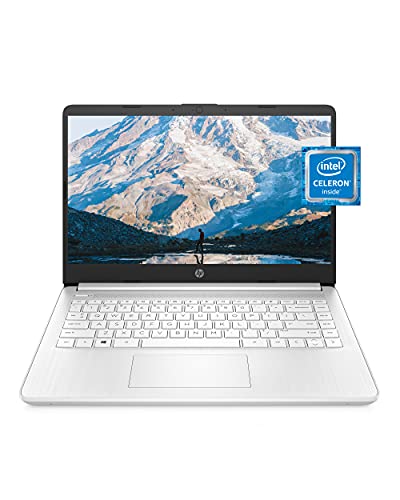
This HP 14-inch laptop is a very affordable entry point for traders who want to start small. It comes with an Intel Celeron N4020, 4GB RAM, and 64GB storage. The screen is compact but reasonably sharp for one or two small chart windows and a trading platform tab.
I use machines like this as backup systems or for basic trading when price and portability matter most. It can run browser-based platforms but will struggle with many open tabs and heavier desktop apps. Use an external monitor to improve layout if you choose this as a budget option.
Pros:
- Very low cost, great for beginners or backup laptops.
- Light and easy to carry for quick trades on the move.
- Simple setup for web-based trading platforms and chat tools.
- Good battery life for light use and short trading sessions.
- Has One Year Microsoft 365 which helps with spreadsheets.
Cons:
- 4GB RAM and Celeron CPU limit multitasking capability.
- 64GB storage fills up quickly with charts and local files.
- Not suitable as a primary machine for power users or multi-monitor setups.
My Recommendation
I recommend the HP 14-inch Budget Laptop only as a stepping stone or backup for active traders. It gives you a low-cost way to begin trading and learn platforms without a large upfront spend. It is not my pick if you want the best laptop for day trading long-term because it lacks power and RAM for heavy multi-tab workflows. Still, it offers great value for those starting small or needing a reliable secondary device.
| Best for | Why |
|---|---|
| Beginners | Low cost lets you learn trading without big investment. |
| Backup machine users | Portable and useful if your main rig fails. |
| Casual traders | Adequate for simple platforms and light sessions. |
How I Choose the Best Laptop for Day Trading
I test laptops as a trader. I open five to ten browser tabs. I run two charting platforms and one data feed. I place simulated trades. This method shows real-world performance. It also reveals weak points under live stress.
For day trading, I look for fast single-core CPU speed. Charts and order entry rely on single-threaded bursts. I also want 16GB RAM if you run many browser tabs. SSD storage must be fast. A stable network adapter is a must. Battery life matters when I trade on the go. Screen quality affects how fast I read candles and indicators.
I also test ports. I attach external monitors through USB-C and HDMI. I check for screen flicker and mouse input lag. These small things cost money in real trades. They affect my reaction time. I favor laptops that stay cool under load. Overheating reduces performance and causes throttling during market spikes. Reliable keyboards are useful when I enter quick orders. Build quality affects daily use and travel life. I prefer machines that are light but not fragile.
Key Features to Prioritize for Day Trading
I divide needs into four areas: performance, display, connectivity, and reliability. Performance equals CPU speed and memory. Display equals size, pixel clarity, and brightness. Connectivity includes ports and Wi-Fi quality. Reliability covers battery, heat, and OS stability. Each area matters when choosing the best laptop for day trading.
- CPU and memory: Pick a strong single-core CPU. Choose at least 16GB RAM for heavy tab use. The MacBook Air M4 and AMD Ryzen 5 with 16GB are good examples.
- Storage: Use NVMe SSDs or fast UFS. A 512GB SSD is a safe minimum for many traders. Cloud backup is helpful.
- Display: Aim for 15-inch or larger for workspace. High brightness and accurate color help reduce eye strain and improve quick reads.
- Ports: One or two USB-C ports. HDMI or DisplayPort support is helpful for an external monitor. A numeric keypad speeds manual entry.
- Connectivity: Wi‑Fi 6 or later and reliable Ethernet or adapter support for stable connections during trade hours.
- Battery life: Long battery life helps for on-the-go days or power outages at your primary location.
Practical Setup Tips for Laptop Day Trading
I use a laptop with two external monitors when I can. One monitor shows the main chart. The second monitor holds level 2 data and a news feed. I often put watchlists on the laptop screen itself to keep the system balanced. For portability, I carry a small USB-C hub to connect HDMI, Ethernet, and extra USB ports.
Use a wired Ethernet connection if possible for lower latency and no drops. I keep device drivers and the OS up to date. I also use a backup internet plan. A phone hotspot is the backup. I keep a second battery bank for long sessions away from power. I set alerts and auto-orders to protect against missed moves when I step away. These steps make almost any laptop perform like the best laptop for day trading.
FAQs Of best laptop for day trading
What is the minimum RAM I need for day trading?
I recommend at least 16GB for serious day trading. With many browser tabs, data feeds, and chat apps, 8GB is often insufficient. More RAM reduces slowdowns and swapping.
Is a Mac or Windows laptop better for day trading?
Both work. I choose a MacBook Air M4 for stability and battery life. Some platforms are Windows-only, though. If you use Windows-native trading apps, pick Windows. For browser-based platforms, macOS is great. Pick based on the platforms you run most.
Do I need multiple monitors or is a big laptop screen enough?
Multiple monitors are ideal. I use at least two external monitors for full layouts. A large 15-inch laptop screen can replace one monitor for mobile trading. It depends on your trading workflow and portability needs.
How important is CPU single-core performance?
Very important. Chart drawing and order entry often rely on single-core bursts. CPUs with stronger single-core speed reduce chart lag. The M4 and modern Ryzen chips score well here.
Can I use an ultra-budget laptop for day trading?
Yes for learning and light trading. Budget laptops are fine for web-based platforms and low volume. I don’t recommend them for high-frequency or heavy multi-tab workflows. They work as backups or starter machines.
Final Verdict: Which Should You Buy?
If you want the best laptop for day trading, the Apple MacBook Air 15-inch (M4, 2025) is my top pick for speed, battery life, and display quality. It delivers a smooth trading experience for mobile and desk use.
For value, the HP 15.6-inch is a solid choice. For screen size, the HP 17.3-inch Touch works well. Beginners can start with the HP 14-inch Budget Laptop, but plan an upgrade as you scale your trading. Pick based on your platform needs and how often you trade on the go.



