


Quick answer: Dell XPS 15 remains the best laptop for developers in 2026.
I’ve spent years testing laptops and gear for Amazon reviews. I know the slow compile wait, the drained battery during late-night sprints, and the glare that hides code. Developers need speed, a good keyboard, long battery life, and a screen that does not tire the eyes. This guide helps you match the best laptop for developers to your workflow, budget, and comfort so you can code faster and ship with confidence.

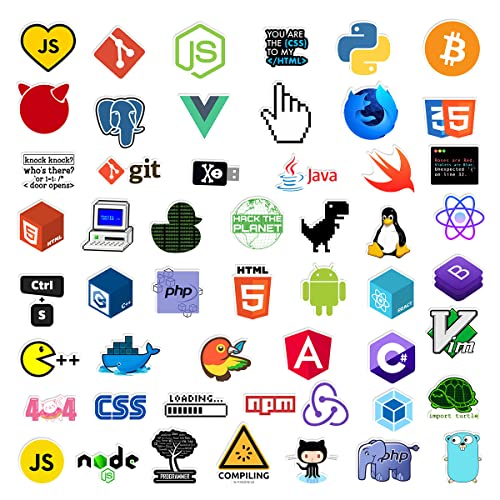
50 PCS Programming Stickers for…
The size of the sticker is between 2 and 3 inches.Using 100% brand new high-definition printing, the pattern is clearer and more vivid. Each cute sticker is perfectly cut according…
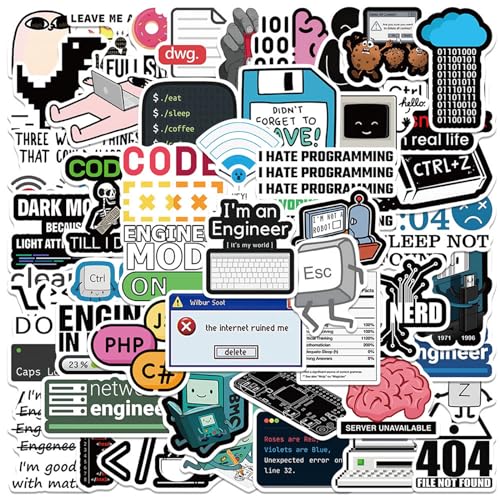
50PCS Programming Stickers Gifts for…
√ Program Stickers – There are 50PCS different programming sticker packs, no random delivery and no duplicates. All decals are in the range of 2-3 inches size, cute stickers can…
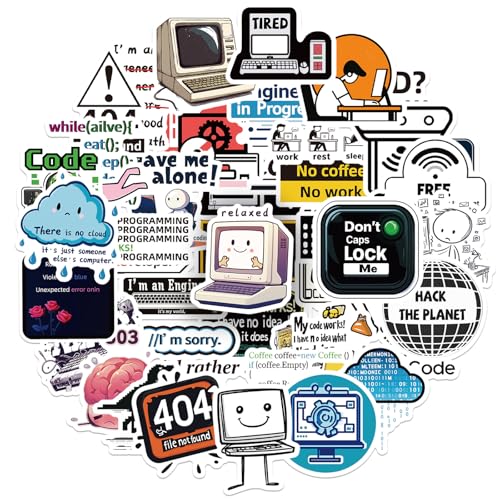
50PCS Funny Computer Stickers Creative…
Full of Nerdy Fun: This glossy sticker pack includes 50 quirky computer-themed designs like debugging jokes, coding fails, and internet memes that tech folks truly relate to Smooth Glossy Texture:…
Programming Stickers Pack (50 pcs)

I use this sticker pack to brand my work machines and lab gear. The stickers are bright and stick well. They resist water and light wear on my commute. They add personality without damaging the laptop surface.
The pack includes many coder jokes and icon styles. They work on cases, water bottles, and notebooks. For small gifts, they are a low-cost win. I keep a sheet in my kit for quick swag at meetups.
Pros:
- Large variety of designs for personalization
- Waterproof vinyl holds up to daily use
- Easy to remove without residue on most surfaces
- Great low-cost swag for teams and events
- Bright colors remain vivid after weeks of use
Cons:
- Some stickers are smaller than pictured
- Not rated for long-term outdoor exposure
My Recommendation
I recommend this sticker pack to developers who want to personalize the best laptop for developers without risking finishes. If you pair a top-tier laptop with playful decals, you get a unique machine that still looks professional. I like these stickers for daily commuters and office setups. They help me spot my laptop fast in a stack of similar machines.
| Best for | Why |
|---|---|
| Personalizing a work laptop | Stickers add flair without damage |
| Team swag | Affordable and varied designs |
| Gifts for devs | Fun, lightweight keepsakes |
Programmer Sticker Set (50 pcs)

This pack has a clean mix of humor and minimal icons. The vinyl feels sturdy. I stuck these on my monitor stand and laptop case. They survived my bag with no peeling.
The art style leans modern. It fits well on matte and glossy finishes. For teams, the simple icons look less loud than cartoon designs. I use this set when I want a tidy look.
Pros:
- Balanced mix of humorous and subtle designs
- Durable vinyl withstands friction in bags
- Works on a range of surfaces, from metal to plastic
- Good quantity for sharing with teammates
- Affordable and well packaged
Cons:
- Some stickers are similar in style
- Colors can be muted on dark surfaces
My Recommendation
This set is for developers who want to decorate the best laptop for developers while keeping a polished look. I pick these stickers when I need subtle branding. For remote teams that send swag, these feel premium yet simple. I often add a single sticker to my laptop lid to keep the device professional at client meetings.
| Best for | Why |
|---|---|
| Subtle laptop branding | Modern icons suit pro settings |
| Remote team gifts | High quantity for sharing |
| Notebook decor | Looks tidy on journals and cases |
Funny Tech Sticker Pack (50 pcs)

These stickers are clearly made for coder humor. I laugh every time I peel one. They are light-hearted and catchy. They fit well on water bottles and laptop lids.
The finish is glossy and colorful. I noticed minor scratches when dropped but no peeling. They make great ice-breakers at hackathons. I hand them out at coffee meetups.
Pros:
- Strong humor and visual punch
- Good quality vinyl with glossy finish
- Works well as conversation starters
- Varied sizes for different uses
- Great for events and casual gifts
Cons:
- Glossy finish shows fingerprints
- Not very subtle for formal settings
My Recommendation
If you want to liven up the best laptop for developers with humor, this pack is ideal. I recommend it for devs who attend hackathons and networking events. The stickers help me connect fast. They are perfect for juniors and students who want to stand out.
| Best for | Why |
|---|---|
| Hackathon swag | Funny, memorable designs |
| Student dev kits | Affordable and playful |
| Personal water bottles | Bright, long-lasting color |
Funny Programmer Decals (50 pcs)

This decal set focuses on memes and code culture. The prints are crisp and fun. I place them on my laptop sleeve and keyboard cover. They resist water splashes at my desk.
The pack has some large designs that look great on lids. They add personality to even the best laptop for developers. I keep a small sheet in my drawer for quick replacements.
Pros:
- Clear, high-contrast prints
- Large designs for laptop lids
- Durable and easy to apply
- Great for desks and journals
- Good for group giveaways
Cons:
- Large stickers may not suit small laptops
- Limited color palette in some sheets
My Recommendation
For devs who love big, bold decals, this pack is a good fit. I use them to mark demo machines and test rigs. They help identify my devices quickly in shared labs. If you want to add flair to the best laptop for developers, these decals deliver strong visuals.
| Best for | Why |
|---|---|
| Laptop lid designs | Bold prints suit large surfaces |
| Office desk decor | Adds character to workspaces |
| Demo machine ID | Easy visual identification |
Programming Sticker Variety Pack (50 pcs)

This variety pack blends funny, plain, and icon designs. The materials are thin but durable. I recommend it for mixed-use. It fits a range of surfaces and tastes.
Packaging is tidy and easy to store. I find at least a dozen favorites in every pack. It pairs nicely with laptop sleeves and cases. For teams with mixed style preferences, this covers most bases.
Pros:
- Wide range of styles in one pack
- Thin vinyl, easy to layer
- Good balance of color and monochrome
- Affordable per-sticker cost
- Works on cases, bottles, and luggage
Cons:
- Thin material can crease if mishandled
- Single pack may not satisfy niche tastes
My Recommendation
This mixed pack is my go-to when I buy gifts for dev friends or fill a swag box. It gives extras for every machine and fits the best laptop for developers aesthetic I prefer—useful, neat, and a bit fun. I use these stickers to mark tools and chargers so I never lose them.
| Best for | Why |
|---|---|
| Swag boxes | Varied styles please many tastes |
| Personal organization | Use stickers to mark gear |
| Gifts and freebies | Affordable and fun to give |
How I Choose the Best Laptop for Developers
I cut through marketing claims by testing hardware with real code. I run builds, docker containers, VM workloads, and UI tests. I track battery life during long sessions. I measure heat and fan noise. These tests reveal who a laptop truly helps.
When I pick a laptop for a developer, I focus on four core needs. They are CPU power, memory and storage, screen comfort, and keyboard feel. These areas matter more than flashy extras. I want a tool that speeds my work and reduces friction.
CPU and GPU: Why they matter
Fast CPUs shorten compile time. I prefer modern multi-core chips for parallel builds. For front-end devs, integrated GPUs are fine. For machine learning, a discrete GPU helps. In 2026, efficient 12- to 16-core chips give great results.
Memory and storage: The multitask foundation
Memory affects how many containers and editors you can run. I aim for 32GB for serious work. 16GB works for many. SSD speed matters. NVMe drives cut project load times and reduce build bottlenecks.
Screen: Comfort for long sessions
High resolution helps fit code and docs. I prefer 14–16 inch panels with 100% sRGB or better. Matte screens reduce glare. Brightness around 400 nits keeps text readable in bright rooms. Eye strain is a real productivity killer.
Keyboard and trackpad: The daily touchpoints
I test travel, feedback, and layout. Mechanical-like keys help me type for hours. A large, accurate trackpad saves time. Good keyboard feel reduces typos and fatigue. Backlight with adjustable levels is essential for night work.
Ports and expansion
I need at least one high-speed USB-C and a full-size USB-A port. HDMI or DisplayPort helps for presentations. An SD slot or dongle is handy for quick transfers. Dock compatibility is a major plus for desk setups.
Battery life and thermals
Battery life decides whether I carry my charger. I test real-world coding and web browsing. 10+ hours is ideal for on-the-go devs. Good thermals keep CPU speeds high under load. Throttling slows builds and frustrates me.
OS choice and toolchain
Linux compatibility is crucial for many back-end developers. macOS remains strong for iOS dev and Unix-like tooling. Windows with WSL is solid for cross-platform workflows. I run the exact dev tools I use daily to ensure compatibility.
Weight and durability
I balance power and portability. A sub-2 kg laptop feels light for most commutes. Metal chassis resist dings better than plastic. Rugged keyboards and spill-resistant design add peace of mind.
Display color and eye care
Eye comfort affects long-term focus. I test for PWM flicker and blue light. A low-flicker panel with good color balance reduces discomfort. I pair the laptop with a blue light filter when needed.
Why price and support matter
Warranty and support matter when hardware fails. I prefer vendors with clear replacement policies. For team buys, on-site service is a time saver. Value is not just price. It is uptime and peace of mind.
Form factors and special cases
Ultrabooks fit road warriors. Mobile workstations suit heavy compiles and ML tasks. Convertibles help designers and front-end devs for tablet mode testing. Choose based on your primary workflow.
How I test to recommend the best laptop for developers
I run long build loops and timed test suites. I run container-heavy workloads. I measure battery with mixed code and browser usage. I also test in docks and remote meeting setups. I note throttling and noise under stress. My goal is to match real needs to real hardware.
FAQs Of best laptop for developers
What specs should a developer laptop have?
Aim for a modern multi-core CPU, 16–32GB RAM, and NVMe SSD. A 14–16″ display, reliable keyboard, and long battery life help. Pick a GPU only if you do ML or graphics work. These specs balance speed and cost for the best laptop for developers.
Is macOS better than Windows or Linux for development?
macOS is strong for Unix tooling and iOS builds. Windows with WSL works well for cross-platform tasks. Linux is ideal for server-side and embedded dev. Choose the OS that matches your toolchain and team needs. The best laptop for developers supports your primary tools smoothly.
How much RAM do I really need?
16GB is fine for many devs. 32GB is safer for heavy multitasking, VMs, or data work. If you run many containers, pick 32GB. More RAM reduces swapping and keeps builds fast on the best laptop for developers.
Do I need a discrete GPU for coding?
Most coding tasks do not need a discrete GPU. Use integrated graphics for web and app dev. Choose a discrete GPU if you train models or work with GPU-accelerated tooling. The best laptop for developers should match your workload—no more, no less.
How important is battery life versus performance?
Pick a balance. If you travel a lot, favor battery life and efficient CPUs. If you stay at a desk and run heavy builds, prioritize performance and cooling. For many, a laptop that lasts a full workday while compiling is the best laptop for developers.
Final Verdict: Which Should You Buy?
The best laptop for developers depends on your workflow. For maximum code compile speed and heavy workloads, choose a well-cooled, high-core CPU with 32GB RAM. For daily portability and long battery life, pick an efficient ultrabook with a great keyboard and 16GB RAM.
I recommend matching specs to tasks. If you want one reliable choice, the Dell XPS 15 still stands out as the best laptop for developers in 2026 for most users.



