


Choosing the best laptop for digital design can feel like navigating a maze. You need a machine that’s not only powerful enough to handle demanding creative software like Photoshop, Illustrator, and video editing suites but also offers a color-accurate display and excellent portability. Whether you’re a graphic designer, illustrator, video editor, or 3D artist, the right laptop can be your most valuable tool. We’ve scoured the market to find laptops that excel in performance, display quality, and overall user experience for digital creatives.
Quick Product Comparison
| Product | Image | Check Price |
|---|---|---|
| 1. AMD Ryzen 4300U Laptop 16GB 512GB | 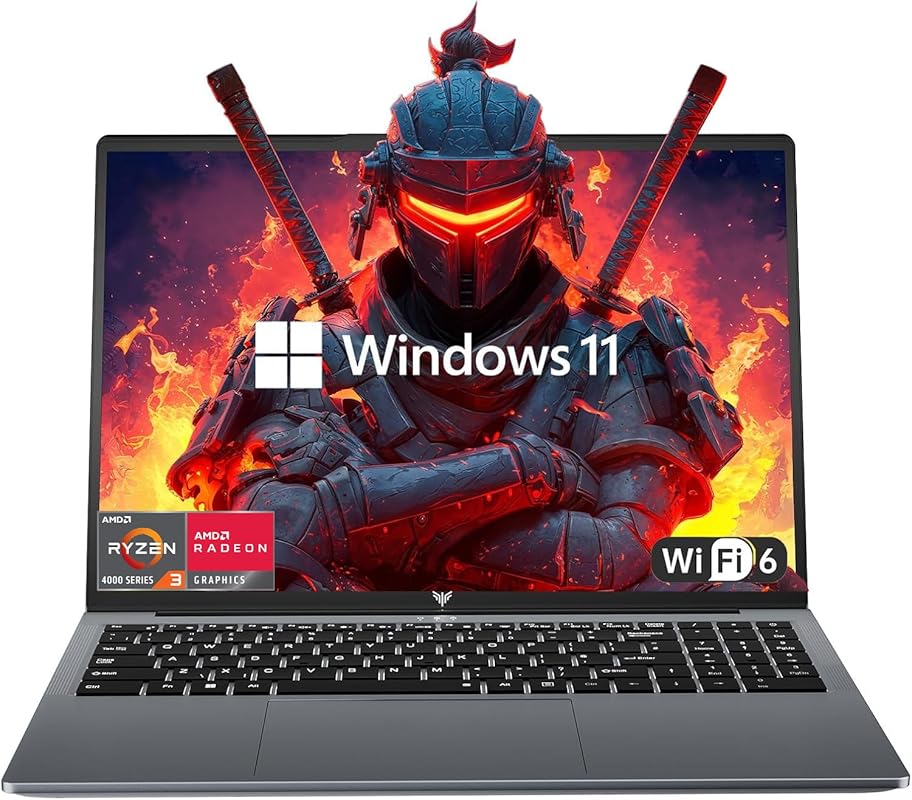 |
Check Price |
Our Top 1 Best Laptop For Digital Design Reviews – Expert Tested & Recommended
1. 16-inch AMD Ryzen 4300U Laptop 16GB 512GB
The 16-inch AMD Ryzen 4300U Laptop is a solid contender for digital design tasks, offering a blend of performance and affordability. It’s designed to provide a smooth experience for everyday creative workflows, ensuring your projects move forward without frustrating slowdowns. This laptop is a great entry point for aspiring designers or those on a budget.
Key Features That Stand Out
- ✓ AMD Ryzen 4300U Processor for efficient multitasking.
- ✓ 16GB DDR4 RAM ensures smooth performance with multiple applications.
- ✓ 512GB M.2 SSD for fast boot times and quick file access.
- ✓ 16.0-inch FHD Display provides ample screen real estate.
Why We Recommend It
We recommend this laptop for its impressive value. It packs capable hardware into an accessible price point, making powerful creative tools more attainable. The combination of a decent processor, sufficient RAM, and a fast SSD means you can tackle design projects with confidence and efficiency.
Best For
This laptop is best for beginner to intermediate digital artists, graphic designers, and students who need a reliable machine for schoolwork and creative projects without breaking the bank.
Pros and Cons
Pros:
- Excellent performance for its price range.
- Ample RAM and fast SSD for smooth multitasking.
- Large 16-inch display for better workspace.
- Modern connectivity options including USB 3.2 and Type-C.
Cons:
- Display color accuracy might not be professional-grade for critical color work.
- Integrated graphics may limit performance in very demanding 3D rendering or video editing.
Customer Reviews
Customer Review: I’m very happy with this laptop. The Ryzen 3 4300U delivers smooth performance for daily work, streaming, and light gaming. With 16GB RAM, multitasking is effortless — I can keep multiple tabs and apps open without lag. The 512GB SSD makes boot-up fast and provides plenty of storage. The 16-inch 1920×1080 display is bright and clear enough for general use.
Customer Review: I love playing video games on my computer, so I decided to try this one and I loved it. It works incredibly well, it’s lightweight, I can take it everywhere; the speed, the frame rate, the audio… everything is fantastic. The battery lasts ages, it’s practical and functional, and besides gaming, I can use it for school work and digital art without any problems.
Complete Buying Guide for Best Laptop For Digital Design
Essential Factors We Consider
When we look for the best laptop for digital design, a few key things jump out. First, processing power is huge – you need a CPU that can handle complex software without stuttering. Then there’s RAM; more is definitely better for smooth multitasking between design programs. Storage speed and capacity are also critical; an SSD will make a world of difference in load times. Of course, the display is paramount for designers – color accuracy, resolution, and brightness are non-negotiable. Finally, we think about build quality and portability, as many designers need to take their work on the go.
Budget Planning
Setting a budget is a crucial step in finding the perfect laptop. High-end creative workstations can easily run into thousands of dollars, but you don’t always need the absolute top-tier model to get excellent results. For digital design, aim for a laptop that balances performance and price. Consider what your most used applications are; if you’re primarily using vector design software, you might not need the same graphical horsepower as a 3D animator. Look for deals and refurbished options if you’re on a tighter budget, but always ensure you’re getting sufficient RAM and SSD storage.
Final Thoughts
Ultimately, the best laptop for digital design is the one that fits your specific needs and workflow. Don’t be afraid to compare specs and read reviews. Think about the software you use most often and the projects you typically work on. Prioritize the features that matter most to you, whether that’s a stunningly accurate screen, raw processing power, or long battery life for working away from an outlet.
Frequently Asked Questions
Q: What are the most important specs for a laptop for digital design?
A: The most important specs include a powerful processor (Intel Core i5/i7/i9 or AMD Ryzen 5/7/9), at least 16GB of RAM (32GB is ideal for heavy workloads), a fast Solid State Drive (SSD) for storage, and a color-accurate, high-resolution display (ideally with good sRGB or Adobe RGB coverage).
Q: Do I need a dedicated graphics card for digital design?
A: For general graphic design and illustration, a good integrated GPU might suffice. However, for more demanding tasks like 3D rendering, video editing, animation, or working with very large files in programs like Photoshop, a dedicated graphics card (NVIDIA GeForce RTX or AMD Radeon Pro) will significantly improve performance.
Q: How much RAM do I really need for digital design work?
A: While 8GB is a minimum, 16GB of RAM is generally recommended for most digital design tasks, allowing for smoother multitasking and handling of larger files. If you work with complex 3D models, extensive video editing, or run many demanding applications simultaneously, 32GB or even 64GB can be beneficial.
Q: Is screen size important for digital design laptops?
A: Screen size is a matter of preference and portability. Larger screens (15-17 inches) offer more workspace, which can be very helpful for design applications. Smaller screens (13-14 inches) are more portable but might require more zooming and scrolling. Resolution is also key; aim for Full HD (1920×1080) or higher for sharper images.
Q: What does color accuracy mean for a design laptop?
A: Color accuracy refers to how closely the laptop’s display can reproduce colors as they are intended. For digital design, this is critical for ensuring your work looks consistent across different devices and when printed. Look for laptops that specify color gamut coverage, such as 99-100% sRGB or a high percentage of Adobe RGB.
Finding the right laptop is a journey, and we hope this guide has helped you pinpoint some excellent options for your digital design endeavors. Remember to consider your specific software needs and budget to make the most informed decision. Happy designing!



