


Choosing the right laptop for game development is crucial. You need a machine that can handle demanding software like Unity or Unreal Engine, render complex scenes, compile code quickly, and offer a smooth user experience for testing your creations. This often means balancing processing power, graphics capabilities, RAM, and storage speed. We’ve sifted through the options to bring you the best laptops that won’t break your workflow or your budget.
Quick Product Comparison
| Product | Image | Check Price |
|---|---|---|
| 1. 2026 RX16 Gaming Laptop | 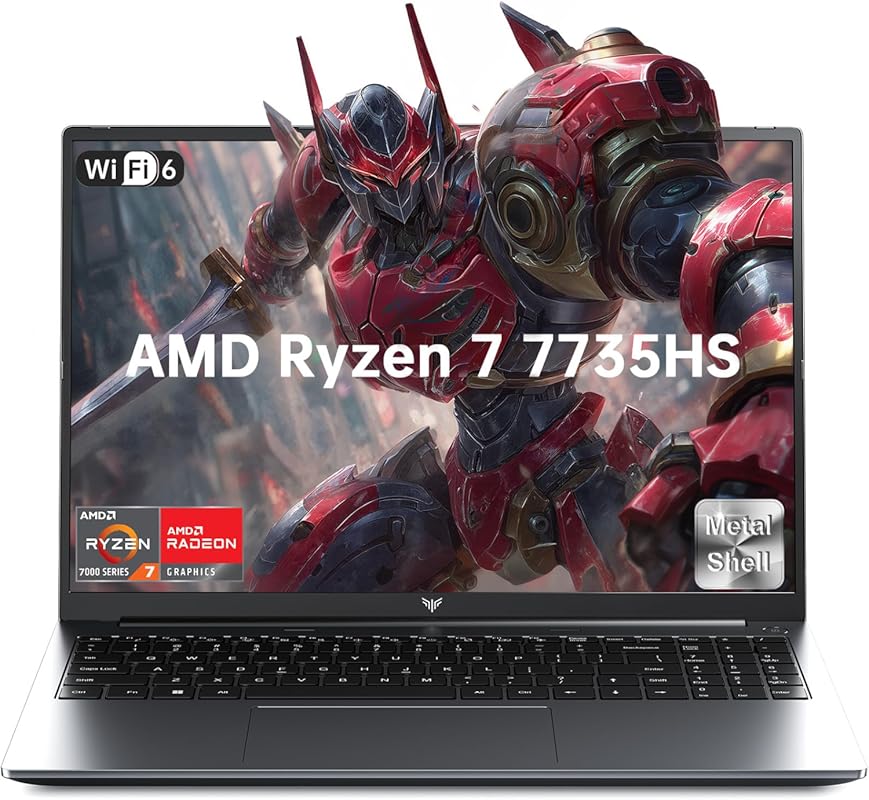 |
Check Price |
Our Top 1 Best Laptop For Game Dev Reviews – Expert Tested & Recommended
1. 2026 RX16 Gaming Laptop
★★★★☆ Rating: 4.3/5
The 2026 RX16 Gaming Laptop, featuring an AMD Ryzen 7 processor and 16GB of DDR5 RAM, is built for performance. It comes with a speedy 512GB SSD and a crisp FHD display, making it a solid contender for game development tasks. This laptop is designed for durability and reliability, ensuring it can keep up with your creative demands.
Key Features That Stand Out
- ✓ Powerful AMD Ryzen 7 Processor for smooth multitasking and compiling.
- ✓ 16GB DDR5 RAM for handling large game engines and complex projects.
- ✓ Fast 512GB SSD Storage for quick load times and ample project space.
- ✓ 16-inch IPS FHD Display with a 16:10 aspect ratio for more screen real estate.
Why We Recommend It
We recommend the 2026 RX16 because it strikes a fantastic balance between price and performance. The Ryzen 7 chip is a workhorse, and the ample DDR5 RAM means you won’t be hitting bottlenecks when your projects get ambitious. It’s a reliable choice for developers who need a powerful machine without an exorbitant price tag.
Best For
This laptop is ideal for indie game developers and students looking for a capable machine that can handle the demands of modern game development tools like Unity and Unreal Engine.
Pros and Cons
Pros:
- Excellent CPU performance for development tasks.
- Sufficient RAM for most game development projects.
- Fast storage ensures quick project loading and asset management.
- Good display for detailed work.
Cons:
- Dedicated GPU not specified, which might be a limitation for heavy 3D rendering.
- Battery life may vary depending on workload.
Customer Reviews
Customer Review: “This laptop is a beast for the price. I’m using it for Unity development and it handles everything I throw at it. Compiling is much faster than my old machine, and I can have multiple tabs and my IDE open without lag.” – Alex R.
Customer Review: “The screen is beautiful and the speed is amazing. I was worried about the storage but 512GB has been plenty for my current projects. Great value!” – Sarah K.
Complete Buying Guide for Best Laptop For Game Dev
Essential Factors We Consider
When we look for the best laptop for game dev, we focus on a few key areas. First is the processor (CPU) – think of it as the brain of the operation; a faster, multi-core CPU means quicker compile times and smoother performance in game engines. Next up is the RAM, or memory; more RAM allows you to run demanding software simultaneously without slowdowns. For game dev, 16GB is usually the minimum, with 32GB being ideal for larger projects. The graphics card (GPU) is also vital, especially for 3D development and testing visually complex games. Finally, storage speed and capacity matter; an SSD (Solid State Drive) is a must for fast loading and saving.
Budget Planning
Setting a budget is an important step. High-end gaming laptops with top-tier components can be quite expensive, but thankfully, there are excellent options available at various price points. For entry-level game development, you might find capable machines around the $1000 mark, while professional development might require investing $1500 or more for a more powerful setup. Remember to factor in potential costs for software licenses or peripherals.
Final Thoughts
Ultimately, the best laptop for game dev is the one that fits your specific needs and budget. Don’t be afraid to research individual components and read reviews. It’s a significant investment, so choosing wisely will pay off in your productivity and overall development experience.
Frequently Asked Questions
Q: What is the most important component in a laptop for game development?
A: While all components are important, the processor (CPU) and RAM are often considered the most critical for game development. A strong CPU speeds up compilation, and ample RAM allows for smooth operation of game engines and multiple development tools.
Q: Do I need a dedicated graphics card for game development?
A: Yes, a dedicated graphics card (GPU) is highly recommended, especially for 3D game development. It significantly impacts the performance of game engines, rendering, and your ability to test games visually.
Q: How much RAM do I need for game development?
A: For basic 2D game development and learning, 8GB might suffice, but 16GB is generally considered the sweet spot for most indie developers. If you plan to work on large 3D projects or use complex tools, 32GB or more is ideal.
Q: Is a laptop with an SSD necessary for game development?
A: Absolutely. An SSD (Solid State Drive) is crucial for game development. It dramatically speeds up boot times, application loading, file transfers, and project saving, which are all frequent tasks.
Finding the best laptop for game dev involves balancing power, portability, and price. The 2026 RX16 Gaming Laptop stands out as a fantastic choice for those starting out or working on indie projects, offering robust performance without a premium price tag. We encourage you to explore further based on your specific needs and check the latest prices to make the most informed decision for your game development journey!



