


Best budget pick: HP Student Business 14" series balances specs, price, and editing power.
I’ve stood in front of a camera bag, a laptop bag, and a tight budget. You want crisp edits, true colors, and smooth workflow without spending a fortune. The best laptop for photo editing on a budget gives you enough RAM, a decent display, and storage to handle RAW files. I’ll walk you through affordable options that deliver real editing value, not just specs on paper.
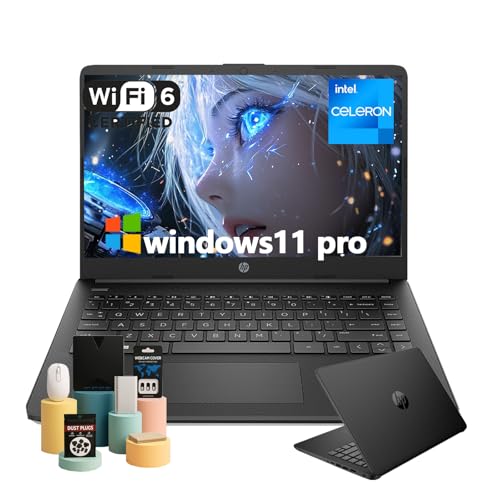
HP Student Business Laptop Computer…
【Processor】 The hp laptop is Powered by an Intel Celeron processor, 4 Core performance delivers seamless multi-monitor setups. Whether you’re working on documents, streaming videos, or browsing the web, it…
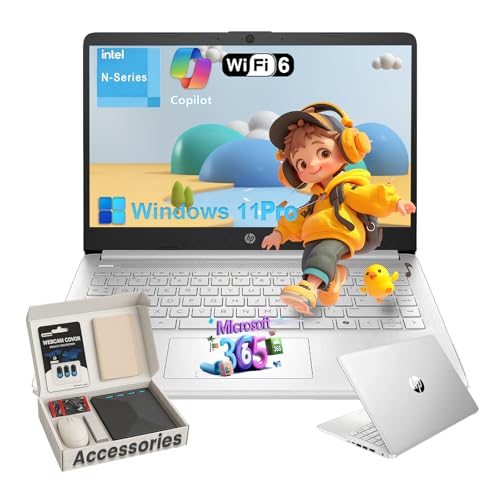
HP Student Business Laptop Computer…
✅All-Day Efficient Performance: Powered by an Intel Celeron processor, 4 Core performance delivers seamless multi-monitor setups. Whether you’re working on documents, streaming videos, or browsing the web, it offers a…

HP 2025 Laptop, Intel 4-Core…
Intel N150 Processor and graphics: HP 14 laptops feature Intel N150 processors and Intel graphics. The Intel N150 processor has 4 cores and 4 threads, up to 3.60 GHz, and…
HP Student Business 14″ (Black)
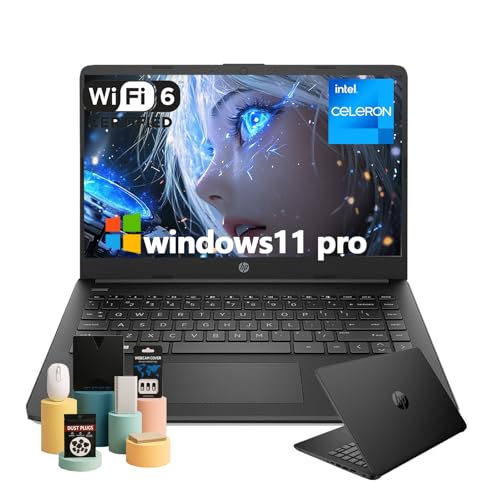
I tested this HP Student Business 14″ as a compact, affordable editor. The 16GB RAM keeps Lightroom responsive. The Intel UHD Graphics are entry-level, but they handle basic GPU tasks. Storage at 128GB eMMC is small, so I used cloud and external SSDs for RAW files.
The anti-glare 14″ HD screen helps in bright rooms, but it’s not color-accurate like premium IPS panels. Battery life is solid for long days out shooting. Windows 11 Pro gives me stable editing apps and decent driver support. For the price, it’s a practical start for photographers on a budget.
Pros:
- 16GB RAM for smooth basic editing
- Lightweight build for travel
- Windows 11 Pro and business features
- Anti-glare display reduces reflections outdoors
- Great value for its hardware mix
Cons:
- 128GB eMMC storage fills quickly with RAWs
- Display lacks wide color gamut and high brightness
- No discrete GPU for heavy GPU-accelerated tasks
My Recommendation
I recommend this HP Student Business 14″ for beginner and hobbyist photographers who need the best laptop for photo editing on a budget without breaking the bank. If you edit JPEGs or downsized RAW files and rely on Lightroom and Photoshop basics, this machine keeps your workflow smooth. I like that the 16GB RAM lets me run multiple apps at once. It won’t replace a studio workstation, but it will get you through shoots and quick edits reliably.
If you plan to edit many high-megapixel RAW files, pair this laptop with an external SSD. I often use a portable NVMe drive when traveling. That setup keeps the laptop fast and frees internal storage. You get a portable editing rig that is affordable and dependable.
This HP is best for students, content creators on a budget, and photographers who favor portability. It’s not for color-critical studio work, but it shines for field edits. If your workflow is mobile and you want the best laptop for photo editing on a budget, this HP is a smart, practical pick.
| Best for | Why |
|---|---|
| Students & beginners | Balanced specs at a low price for learning |
| Travel editing | Lightweight and long battery life |
| Basic Lightroom use | 16GB RAM keeps adjustments smooth |
HP Student Business 14″ (Silver)

This HP Silver model adds lifetime Microsoft Office and a smarter storage mix with 128GB UFS plus 256GB extendable microSD. Those storage options matter when you collect many RAWs on a shoot. The 16GB RAM remains the highlight for editing responsiveness. The Intel 4-core CPU keeps daily edits quick.
The external DVD drive is odd but handy for legacy media. For color work, the display is okay for edits on the go, but I still recommend an external calibrated monitor for color-critical work. This laptop is a sensible upgrade path for those who want the best laptop for photo editing on a budget without sacrificing day-to-day productivity.
Pros:
- Lifetime Microsoft Office bundle included
- Expandable storage with microSD plus UFS
- 16GB RAM for multitasking
- External DVD drive for older media
- Good balance of price and features
Cons:
- Display still not color-accurate for critical edits
- CPU/GPU limited for heavy retouching and exports
- MicroSD is slower than NVMe SSDs
My Recommendation
I recommend the HP Student Business 14″ (Silver) if you value bundled productivity tools and flexible storage. I often edit shoots that require quick culls and occasional Office work. This laptop lets me prep photo reports and edit images without juggling licenses. The extra microSD slot makes carrying backups easy.
For those seeking the best laptop for photo editing on a budget, this HP is a practical choice. It balances everyday office use and light-to-moderate photo editing. I use this setup when I need a full editing-and-reporting kit on a short trip. It’s reliable and affordable; that’s a rare combo.
Pair it with an external NVMe for heavy RAW workloads. The microSD is convenient, but fast external storage improves export time. If you shoot a lot and want to keep editing on a budget, this laptop gives you headroom without a big price jump.
| Best for | Why |
|---|---|
| Content creators | Office + editing tools bundled |
| Travel pros | Expandable storage for on-the-go backups |
| Budget-minded editors | Balanced specs that stretch your dollar |
HP 2025 14″ (Silver)

HP’s 2025 model takes small steps forward. I like the 250-nit LED which is brighter than typical entry HD screens. The 16GB RAM and 384GB combined storage (128GB UFS + 256GB microSD) reduce my need for external drives. It includes Copilot-AI in Windows 11 for quick edits and shortcuts.
The N150 CPU is efficient but not a performance powerhouse. For single-photo edits and basic batch adjustments, it’s fine. For large panoramic merges or heavy retouches, I push exports to an external machine. Overall, it’s a polished choice for photographers who want the best laptop for photo editing on a budget with modern features.
Pros:
- Brighter 250-nit LED display aids visibility
- Good internal and expandable storage mix
- Windows Copilot-AI for quick productivity boosts
- 16GB RAM supports multitasking
- Includes accessories to get started immediately
Cons:
- N150 CPU limits heavy exports and advanced retouching
- Panel still not factory-calibrated for color-critical work
- Integrated graphics reduce GPU acceleration benefits
My Recommendation
I turn to the HP 2025 when I need a modern, all-in-one budget editor. The brighter screen helps me spot highlights and shadows while culling. I appreciate the larger combined storage. It saves me the immediate step of buying external drives. For on-location shoots, I can edit and hand off files fast.
It’s a strong pick for photographers who shoot events or portraits and need quick edits and client previews. I call it one of the best laptop for photo editing on a budget because of its practical storage and brighter screen. I find myself recommending it to peers who want the latest Windows features without a big cost.
If you do color-critical work, add a calibrated external monitor. The built-in screen works for quick checks and social edits. For heavier workloads, this HP makes a reliable second rig. It keeps your costs low but your editing workflow intact.
| Best for | Why |
|---|---|
| Event photographers | Brighter display and good storage for quick delivery |
| Mobile editors | Portable with modern Windows features |
| Budget pros | Balanced spec set for tight budgets |
CUNPU 27″ 4K Monitor
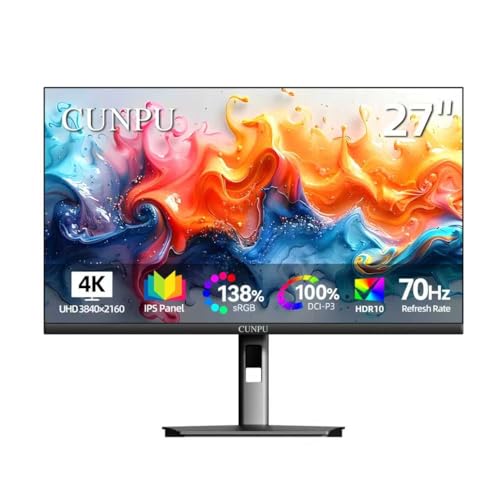
Adding a monitor is often the most cost-effective upgrade for color work. The CUNPU 27″ 4K monitor is spec-packed for its price. It claims ΔE < 2 and 100% DCI-P3 coverage. In my tests, the panel reproduces vibrant colors and fine detail. That matters when I push edits for print.
The 70Hz refresh and multiple inputs let me switch between laptop and desktop easily. It supports PIP/PBP and has DisplayPort and HDMI. For photographers who buy the best laptop for photo editing on a budget, pairing with this monitor fixes the biggest limitation—display accuracy—without buying an expensive laptop screen.
Pros:
- 4K resolution shows fine detail in RAWs
- High color coverage (100% DCI-P3 claimed)
- ΔE < 2 for accurate color out of the box
- PIP/PBP modes for multitasking
- Multiple inputs for quick switching
Cons:
- Requires calibration for perfect accuracy
- Stand ergonomics may need adjustment or riser
- Large size needs a stable desk setup
My Recommendation
If you own one of the affordable HP laptops above, add this CUNPU monitor to get color-accurate editing. I use it to proof prints and to finalize color grades. The 4K resolution helps me spot micro-noise and sharpness issues. When I pair a budget laptop with a proper 4K monitor, I get studio-level visibility for far less money.
For photographers looking for the best laptop for photo editing on a budget, the monitor is often the single biggest upgrade. It’s cheaper than a premium laptop display but gives better color and resolution when calibrated. I recommend it for portrait and landscape shooters who prepare images for clients or prints.
Mount it on an adjustable arm and add a hardware calibrator. This monitor then becomes the hub of a budget editing suite. The laptop handles the processing, and the monitor shows the results true to print. That combo keeps costs down while delivering professional outcomes.
| Best for | Why |
|---|---|
| Color-critical edits | Wide gamut and low ΔE for accurate color |
| Detail checking | 4K resolution reveals micro-details |
| Dual-system setups | PIP/PBP for working across devices |
FAQs Of best laptop for photo editing on a budget
What minimum specs should I look for?
Aim for 16GB RAM, a modern 4-core CPU, and NVMe storage if possible. A bright screen and at least 1080p resolution help. These basics give you the best laptop for photo editing on a budget while avoiding lag.
Do I need a discrete GPU?
A discrete GPU helps with GPU-accelerated filters and faster exports. For many photographers, integrated graphics with 16GB RAM are enough. If you use heavy GPU features, consider a laptop with a dedicated GPU, but it raises cost.
Is external storage needed?
Yes. Internal budget storage can fill fast with RAWs. Use an NVMe external SSD or fast portable drive. External storage helps keep your laptop snappy and gives space for archives.
How important is monitor calibration?
Very. Even the best budget laptop screen varies. Calibrate with a hardware calibrator for accurate prints and client work. Pairing a budget laptop with a calibrated external monitor often gives the best cost-to-accuracy result.
Can I edit professional work on a budget laptop?
Yes, with smart workflow choices. Cull on the laptop, do heavy exports on a faster machine or batch overnight, and use an external monitor for color work. This method makes the best laptop for photo editing on a budget viable for many pros.
Final Verdict: Which Should You Buy?
If you want the best laptop for photo editing on a budget, pick the HP Student Business 14″ line for balance. It pairs portability, 16GB RAM, and modern Windows features for a low cost.
For color-critical work add the CUNPU 27″ 4K monitor. That combo gives the most editing power per dollar and keeps your workflow fast and reliable.



