


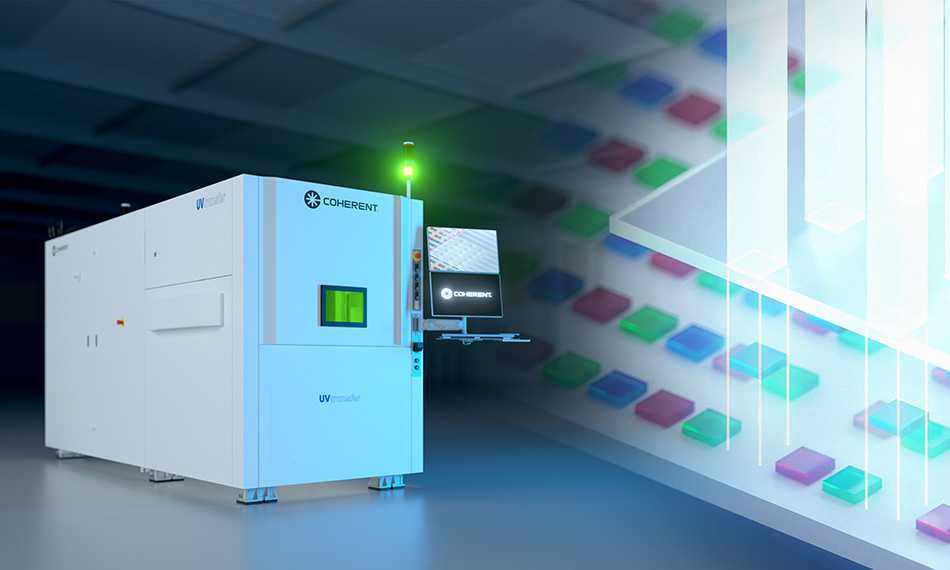
Yes, microLED monitors can often be repaired, but it depends on the type of damage and the availability of replacement parts. While some repairs may be straightforward, others might require specialized expertise, making them less accessible for everyday consumers. Overall, with proper tech support, many issues can be fixed, extending the lifespan of these advanced screens.
MicroLED monitors are an exciting leap in display technology, offering stunning brightness, vibrant colors, and incredible durability. As with any high-tech device, they are not immune to problems like pixel defects, power issues, or screen damage. Whether your monitor just isn’t performing as it should or has suffered accidental damage, understanding repair options can save you money and prolong its usability. Although microLEDs are relatively new, repairs are becoming more feasible thanks to advancements in tech and service centers becoming more equipped to handle these cutting-edge displays. So, if you’re worried about potential repairability, rest assured that many issues can be addressed, keeping your investment in top shape for years to come.

Can MicroLED Monitors Be Repaired? An In-Depth Look
Understanding MicroLED Technology and Its Durability
MicroLED monitors use tiny, self-emitting LED pixels to display images. These screens are known for their bright colors, high contrast, and excellent viewing angles. Because of their innovative design, some people wonder if they can be repaired when problems occur.
MicroLED technology is relatively new and complex. The small size of the LEDs makes manufacturing and repair more difficult than traditional displays. Despite their durability, like any electronic device, microLED monitors can develop issues over time.
Common Issues Seen in MicroLED Monitors
MicroLED monitors may face several common problems, including:
- Dead or stuck pixels that do not display correctly
- Color inconsistencies or fading
- Screen flickering or blinking
- Hardware failures like damaged cables or connectors
- Power supply problems
Understanding these problems helps determine whether repairs are possible and how they can be addressed.
Can MicroLED Monitors Be Repaired?
The answer depends on the type and severity of the problem. Many minor issues can be fixed, but some major damage might require replacements. MicroLED monitors are designed with some repairability in mind, but the process is more complicated than with traditional LCDs or OLEDs.
If the issue is a faulty pixel or minor hardware glitch, repair may be feasible. However, because of the tiny size of the microLEDs, repairing individual pixels often requires specialized skills and equipment.
Repairing Dead Pixels and Color Problems
Dead pixels, or those that do not light up, are common in LED displays. For microLEDs, fixing dead pixels is challenging due to their miniaturized size. Often, the fix involves replacing entire panels rather than individual LEDs.
Color inconsistencies can sometimes be corrected through software calibration. But if the issue stems from physical damage or manufacturing defect, hardware replacement might be necessary.
Addressing Screen Flickering and Hardware Faults
Screen flickering can result from loose connections, outdated drivers, or power supply issues. These problems are often fixable by:
- Checking and reseating connections
- Updating firmware or drivers
- Replacing faulty cables or power supplies
When hardware failures occur within the display unit itself, repair options become more limited, and professional service may be required.
Is Repairing MicroLED Monitors Cost-Effective?
The cost of repairing a microLED monitor varies depending on the problem’s extent. Minor issues like software glitches or loose connections tend to be inexpensive fixes.
However, extensive hardware damage or manufacturing defects can lead to repairs costing nearly as much as buying a new monitor. Given the cutting-edge nature of microLED technology, repairs are often specialized and costly.
DIY Repairs vs Professional Service
While some minor fixes, such as reconnecting cables or updating firmware, can be done by users at home, most repairs require expert knowledge.
Because of the tiny size of microLEDs, attempting DIY repairs without proper tools can cause further damage. Professional repair services have the necessary equipment for delicate work and can ensure the problem is properly addressed.
Availability of MicroLED Parts for Repair
Finding replacement parts for microLED monitors can be difficult. Manufacturers typically do not sell individual microLEDs separately because of the complex manufacturing process.
In many cases, repairs involve replacing entire modules or the complete panel. For this reason, repairs tend to have longer turnaround times and higher costs compared to traditional monitors.
Future of MicroLED Repairability
As microLED technology matures, repair processes are expected to improve. Manufacturers are investing in modular designs that could make future repairs easier and more affordable.
Advances in microLED manufacturing may also lead to standardized components, increasing repairability and reducing costs. For now, though, repairs remain primarily the domain of trained professionals.
Key Takeaways about Repairing MicroLED Monitors
- Minor issues like software glitches are easier and cheaper to fix.
- Physical damage often requires replacing entire panels or modules.
- Repairs depend on the specific problem, the extent of damage, and the availability of parts.
- DIY repairs are generally not recommended due to microLED fragility.
- Professional service is necessary for most hardware-related problems.
Summary of Repair Challenges and Opportunities
MicroLED monitors offer cutting-edge visuals and durability, but their repairability presents unique challenges. The technology’s miniaturization makes repairing individual LEDs difficult and often costly.
However, some issues like connectivity or software-related problems are more straightforward and can be addressed with proper knowledge. As the industry advances, expect improvements that will make microLED monitors more repair-friendly.
Related Topics to Explore
- MicroLED vs OLED: Which is more repairable?
- Cost comparison: Repair vs replacement of high-end monitors
- Best practices for maintaining and prolonging microLED lifespan
- How to find authorized repair centers for microLED products
While the repairability of microLED monitors is improving, many repairs still require professional expertise and can be costly. It’s important to weigh the benefits of repair against the investment in a new monitor, especially as technology advances. Staying informed about your device’s warranty and choosing reputable service providers can help ensure your monitor stays in top condition for as long as possible.
QD OLEDs Keep Getting Damaged..
Frequently Asked Questions
What are common issues that can be repaired in MicroLED monitors?
MicroLED monitors often face issues such as dead pixels, uneven brightness, flickering screens, or display failure. Many of these problems stem from manufacturing defects, electrical component failures, or connection issues. Skilled technicians can usually repair or replace faulty modules, improve display uniformity, or fix circuit board problems to restore functionality.
Is it possible to repair a damaged MicroLED panel directly?
Repairing a damaged MicroLED panel is challenging due to the tiny size and intricate arrangement of the LEDs. In many cases, individual LEDs are difficult to replace without specialized equipment. Typically, if the panel sustains physical damage, replacing the entire display module is more practical than attempting a direct repair.
Can software or firmware issues affect the repairability of MicroLED monitors?
Yes, software or firmware glitches can cause display problems that are fixable through updates or resets. Troubleshooting these issues often involves reconnecting settings or updating firmware, which is simpler than hardware repairs. However, persistent hardware faults require professional intervention for repairs or component replacement.
Are there limitations to repairing MicroLED monitors compared to other display types?
MicroLED technology involves complex manufacturing and tiny, densely packed components, making repairs more complicated than traditional LCD or OLED screens. While some hardware issues can be addressed, extensive damage or aging components often lead to the need for full panel replacement, limiting repair options compared to less advanced displays.
What should I consider when seeking repair services for my MicroLED monitor?
When choosing repair services, evaluate the technician’s experience with MicroLED technology and the availability of genuine replacement parts. It’s also essential to consider the cost-effectiveness of repairs versus replacing the monitor. Proper diagnosis is crucial to ensure that repairs will effectively resolve the issues without unnecessary expenses.
Final Thoughts
MicroLED monitors are intricate and innovative devices. Repairability depends on the specific issue and available parts.
In many cases, repairs are possible but may require specialized skills and equipment.
Can microLED monitors be repaired? Yes, but the process can be complex and costly.
Ultimately, proper diagnosis and professional service determine if repair is feasible or if replacement is more practical.



