


Many AI webcams claim to support HDR video, but not all do. In this guide, you’ll learn how to check if your webcam supports HDR, how to enable it, and tips for getting the best video quality. Whether you’re streaming or recording, understanding HDR support can enhance your video quality significantly.
Key Takeaways
- Not all AI webcams support HDR: Check specifications before purchasing or using your device for HDR video.
- HDR support depends on hardware and software: Both must be compatible for HDR to work properly.
- Enabling HDR may require specific settings: Adjust camera settings via software or app to activate HDR features.
- Good lighting enhances HDR performance: Proper lighting conditions complement HDR capabilities for better video quality.
- Check your webcam’s specifications: Look for terms like “HDR” or “High Dynamic Range” in product descriptions or user manuals.
- Updating firmware and drivers can improve HDR support: Keep your webcam’s software up-to-date for optimal performance.
Introduction
In recent years, AI webcams have become popular for streaming, video conferencing, and content creation. One feature users often seek is HDR, or High Dynamic Range, which enhances video quality by balancing brightness and contrast. But do all AI webcams support HDR video? In this guide, we’ll explore what HDR support means, how to determine if your webcam includes this feature, and how to set it up for optimal results. Whether you’re considering a new purchase or trying to get the most out of your existing device, this guide will help you understand whether AI webcams support HDR video and how to maximize its benefits.
What is HDR Video?
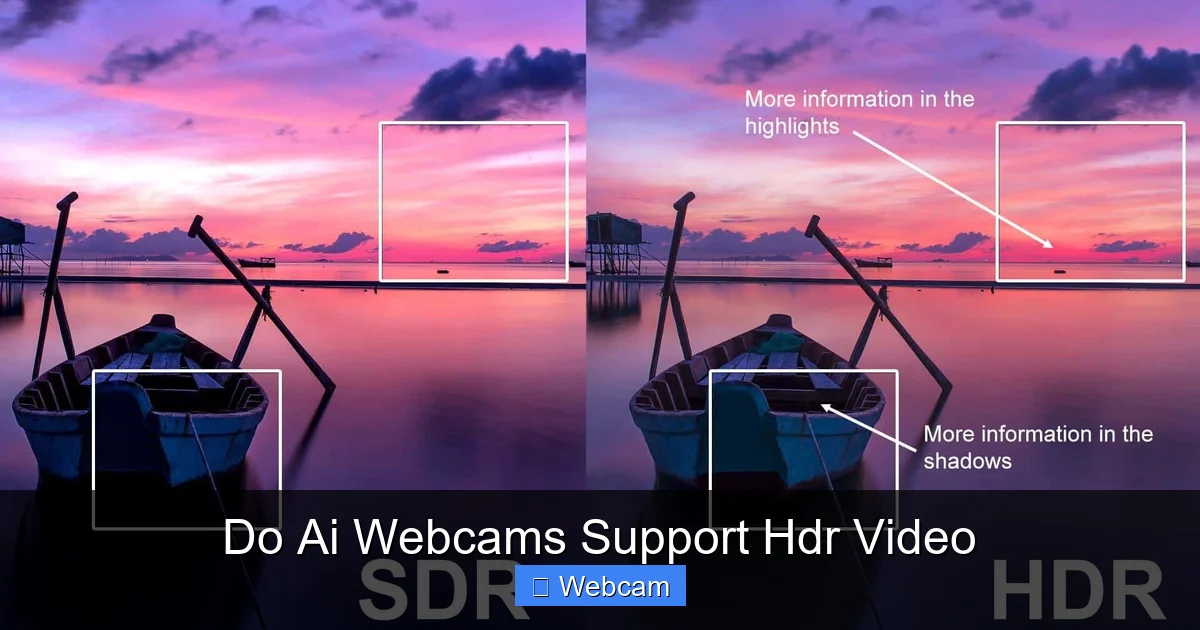
HDR, or High Dynamic Range, refers to a video technology that captures and displays a wider range of brightness levels. This results in videos with more detail in both the darkest shadows and brightest highlights. HDR makes your videos look more vibrant, realistic, and visually appealing. Many high-end cameras and smartphones support HDR, but support varies across devices, including webcams.
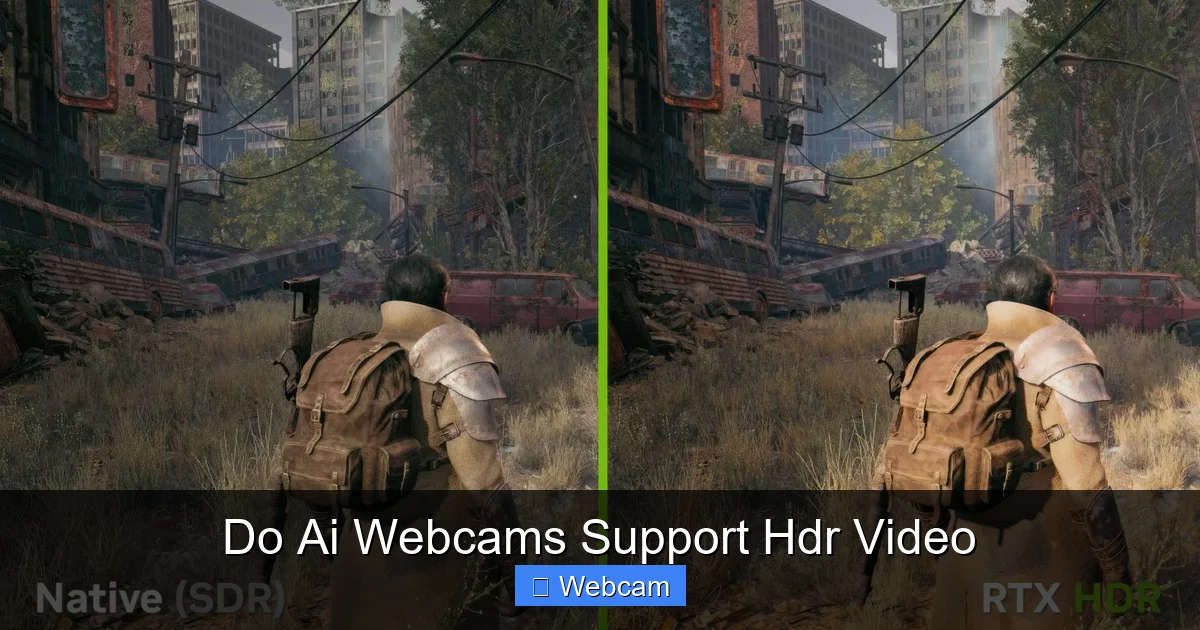
Visual guide about Do Ai Webcams Support Hdr Video
Image source: cdn.wccftech.com
Do All AI Webcams Support HDR?
The short answer is no. Not all AI webcams support HDR video. While some high-end models include HDR as a standard feature, many budget or mid-range webcams do not. The support depends on the hardware capabilities and the software drivers provided by the manufacturer.
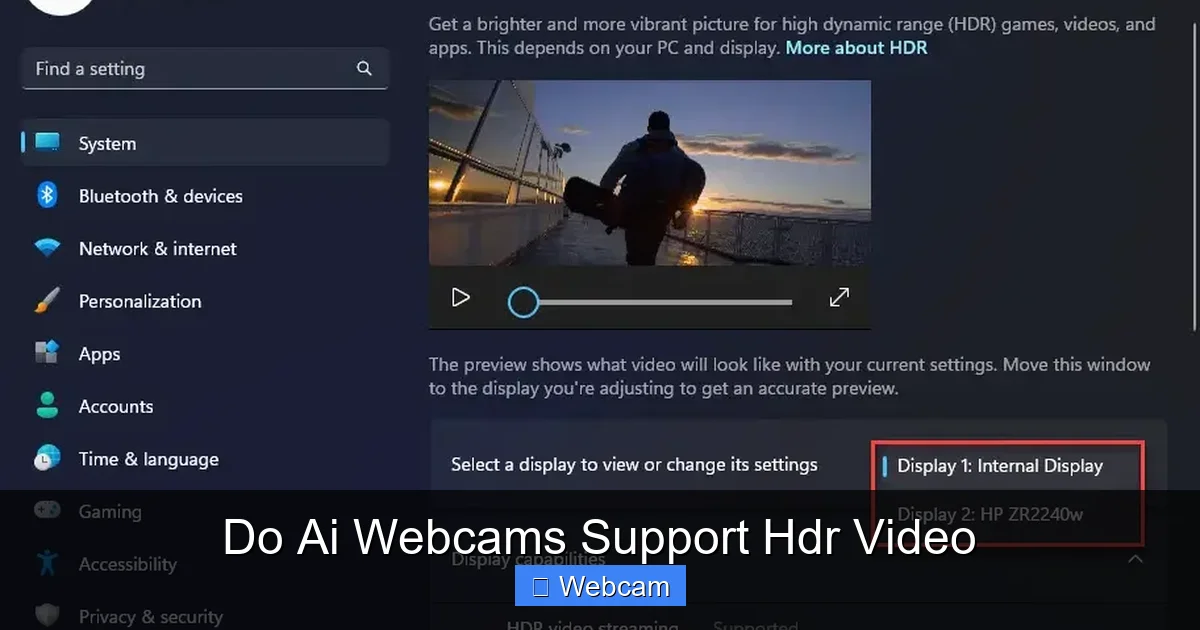
Visual guide about Do Ai Webcams Support Hdr Video
Image source: itechtics.com
To know if your webcam supports HDR, check the product specifications, user manual, or manufacturer website. Look for terms like “HDR,” “High Dynamic Range,” or “Wide Dynamic Range.” If you’re unsure, contacting customer support or reviewing online reviews can also help.
How to Check if Your AI Webcam Supports HDR
Step 1: Review the Product Specifications
Start by looking at the official product page or user manual. Manufacturers usually list features like HDR support in the specifications section. If it’s not explicitly mentioned, look for keywords like “high dynamic range” or “WDR” (Wide Dynamic Range).
Visual guide about Do Ai Webcams Support Hdr Video
Image source: leak.pt
Step 2: Inspect the Camera Settings Software
Many webcams come with dedicated software or are compatible with third-party apps. Open the software and navigate to the settings or preferences menu. Look for options related to HDR, Wide Dynamic Range, or similar features.
Tip: If the software menu includes a toggle or checkbox for HDR, your webcam likely supports it.
Step 3: Use Camera Testing Tools
Some online tools or software like OBS Studio, ManyCam, or Logitech Capture can detect available features. When setting up your camera, see if HDR options appear.
Note: If the software detects HDR, your webcam hardware probably supports it.
Enabling HDR Video on Your AI Webcam
Step 1: Update Your Drivers and Firmware
Before enabling HDR, ensure your webcam drivers and firmware are up-to-date. Visit the manufacturer’s website for the latest updates, which can improve compatibility and performance.
Step 2: Access Camera Settings
Open your webcam software or the app you use for video settings. This could be the default camera app on your operating system or third-party software.
Tip: For Windows, go to Settings > Devices > Cameras. For Mac, use the Photo Booth app or your camera’s dedicated software.
Step 3: Enable HDR Mode
If HDR is supported and available, toggle it on within the settings. Adjust other parameters like exposure, contrast, and brightness to optimize video quality.
Note: Some webcams might require you to enable HDR through device-specific software or firmware settings.
Optimizing Conditions for HDR Video
Even if your webcam supports HDR, good lighting conditions can make a big difference. Use soft, even lighting to prevent harsh shadows and highlights. Avoid backlighting or overly bright backgrounds, which can reduce HDR effectiveness.
For streaming or recording, consider investing in softbox lights or ring lights to enhance image quality.
Common Troubleshooting Tips
- HDR not appearing in software: Make sure your webcam drivers are updated. Confirm if the device truly supports HDR by checking specifications.
- Video looks washed out or too dark: Adjust exposure and contrast settings. Proper lighting can also improve results.
- HDR feature unavailable in settings: The webcam hardware may not support HDR, or the current software version lacks the feature.
- Update firmware and drivers: Regular updates can resolve bugs and improve compatibility with HDR features.
Conclusion
While many high-end AI webcams support HDR video, not all do. To determine if your webcam supports HDR, review specifications, check software settings, and perform tests. If supported, enabling HDR can significantly improve your video quality, especially in challenging lighting conditions. Remember to keep your device updated and optimize your environment for the best results. With the right setup, HDR can make your videos look more vibrant, natural, and professional.
Final Tips for Best HDR Video Quality
- Use good lighting to complement HDR capabilities.
- Regularly update your webcam drivers and firmware.
- Experiment with camera settings for optimal exposure and contrast.
- Invest in quality lighting equipment if needed.
- Test your setup before important calls or recordings.



