


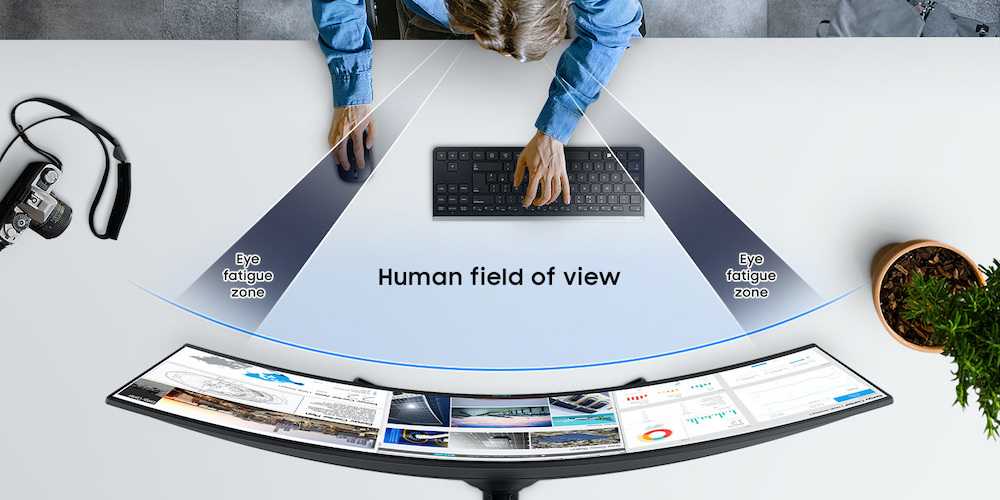
Yes, curved monitors can help reduce eye strain. Their design contours the screen to match the natural curvature of our eyes, which helps minimize distortion and glare. This can make viewing more comfortable, especially during long sessions. By reducing the need for constant eye movement and adjusting focus, curved displays support a more relaxed viewing experience.
Curved monitors are often praised for their ergonomic benefits, which can translate into less eye fatigue over time. They provide a more immersive viewing experience and can help reduce the strain caused by glare, reflections, and distortion. If you spend long hours at your computer, switching to a curved monitor might be a simple yet effective way to protect your eyes and enhance comfort.
When it comes to reducing eye strain, many people wonder if curved monitors are worth the investment. As more users seek ways to work comfortably and prevent eye fatigue, the popularity of curved screens continues to grow. These monitors provide a more natural viewing angle, helping your eyes stay less stressed and more relaxed during extended use. Whether you’re gaming, working, or browsing, understanding how this technology can support eye health is a valuable step towards more comfortable digital experiences.

Do Curved Monitors Reduce Eye Strain?
Understanding Eye Strain and Its Causes
Eye strain happens when your eyes get tired from focusing on screens for a long time. Common reasons include glare, poor lighting, or staring at screens that are too close. It can cause headaches, dryness, and blurred vision, making work uncomfortable.
How Screen Design Affects Eye Comfort
The shape and design of your monitor play a big role in eye comfort. Flat screens are common but can cause more eye movement. Curved monitors follow the natural curve of your eyes, which can reduce the need for constant focus adjustments.
The Natural Shape of Our Eyes
Human eyes are naturally curved, which helps us see smoothly. Flat screens don’t match this shape, so your eyes have to work harder to focus at the edges. Curved monitors help match this natural form, making viewing easier and more comfortable.
Do Curved Monitors Minimize Glare and Reflections?
Curved screens can help reduce reflections from ambient light. Because they bend inward, they can direct glare away from your eyes. This feature decreases eye irritation caused by bright lights or reflections on the screen surface.
Impact of Curved Monitors on Eye Movement
With a curved monitor, your eyes don’t need to shift as much from side to side. The curve brings all parts of the screen into your natural field of view, which can lessen eye strain caused by repetitive eye movements.
Field of View and Visual Focus
Curved monitors expand your peripheral vision, making it easier to see everything on the screen without moving your head. This can reduce fatigue and make long sessions less tiring for your eyes.
Comparison of Flat and Curved Screens for Eye Strain
| Feature | Flat Monitors | Curved Monitors |
|————————–|—————————————————–|——————————————————–|
| Eye Movement | Greater; eyes adjust side to side | Minimal; eyes stay centered |
| Glare and Reflection | More likely; flat surfaces reflect more light | Less; curved surfaces redirect reflections |
| Viewing Comfort | Less natural; requires more focus adjustments | More natural; follows eye’s natural curve |
| Field of View | Narrower; less immersive | Wider; enhances immersion and reduces fatigue |
How to Choose a Curved Monitor to Reduce Eye Strain
Look for a monitor with a curvature between 1800R and 3000R. The smaller the number, the more pronounced the curve. Also, pick a size that comfortably fits your desk and viewing distance.
Important Features to Consider
- Size: Larger monitors (27 inches and above) benefit more from a curve.
- Curvature: Moderate curves offer a good balance for most users.
- Resolution: Higher resolution reduces pixelation, easing eye effort.
- Brightness and Contrast: Adequate levels lessen eye fatigue during prolonged use.
- Anti-Glare Coating: Helps minimize reflections and glare.
Additional Tips for Reducing Eye Strain
Even with a curved monitor, other habits help protect your eyes. Follow the 20-20-20 rule: every 20 minutes, look at something 20 feet away for at least 20 seconds. Adjust your monitor’s brightness to match ambient lighting.
Limitations of Curved Monitors in Easing Eye Strain
While curved screens can provide comfort benefits, they are not a complete solution. Poor lighting, incorrect seating posture, or extended screen time still cause eye fatigue. Use a combination of good habits and equipment.
Related Technologies That Help Reduce Eye Strain
Other features like blue light filters, flicker-free screens, and adjustable brightness can improve eye comfort. Many monitors now include these options to complement the benefits of a curved design.
The Verdict: Do Curved Monitors Truly Reduce Eye Strain?
In many cases, curved monitors do help reduce eye strain. They promote a more natural viewing experience, lessen glare, and minimize unnecessary eye movement. However, individual preferences and proper ergonomic setup remain essential.
Summary
Choosing a curved monitor can make a noticeable difference in how your eyes feel after long hours of work or gaming. They are especially beneficial for larger screens and those who spend hours at their desks. Remember, combining this with good habits will give you the best results for eye health.
Do curved monitors reduce eye strain?
Frequently Asked Questions
Can the shape of a curved monitor help reduce eye fatigue during long work sessions?
Yes, the curved design of a monitor helps to minimize eye fatigue by providing a more natural viewing angle. It reduces the need for constant refocusing because the entire screen remains at a consistent distance from your eyes. This leads to less strain on your eye muscles, especially during extended periods of use.
How does a curved monitor influence the amount of blue light exposure and eye comfort?
Curved monitors often come with built-in blue light filters or are designed to emit less blue light overall. This can help decrease eye irritation and fatigue caused by prolonged exposure to blue light. As a result, users tend to experience increased comfort and less digital eye strain during extended screen time.
Are there specific features in curved monitors that actively support eye health?
Many curved monitors include technologies such as flicker-free screens and low blue light modes, which are specifically designed to protect your eyes. These features reduce flickering and limit blue light emission, offering a more comfortable viewing experience and decreasing the risk of eye strain over time.
Final Thoughts
Curved monitors can indeed reduce eye strain by providing a more natural viewing experience. Their design minimizes distortion and helps users focus more comfortably on the screen.
The gentle curve aligns with your eye’s natural field of view, decreasing the need for constant refocusing. This leads to less fatigue during long working hours.
In conclusion, do curved monitors reduce eye strain? Yes, they can help lessen eye fatigue and improve comfort, making them a smart choice for many users.



