


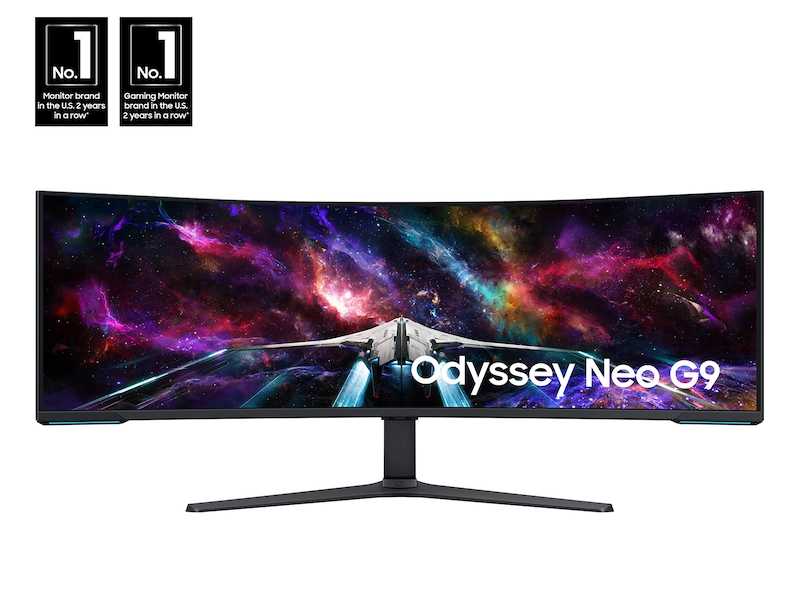
Yes, many MicroLED monitors do support HDR1000, offering stunning visuals with deep blacks and vibrant colors. This high dynamic range enhances gaming, movies, and professional work by delivering brighter highlights and better contrast. Overall, MicroLED technology is paving the way for premium display experiences, and HDR1000 support is becoming increasingly common among these high-end screens.
MicroLED monitors are already known for their exceptional brightness, contrast, and color accuracy, making HDR1000 support a natural fit. With HDR1000, you get significantly improved picture quality, especially in scenes with both very bright and very dark elements. If you’re considering investing in a MicroLED monitor, you’ll likely find many models that support HDR1000, ensuring you enjoy the best possible visual experience with stunning detail and realism.
MicroLED monitors are rapidly gaining popularity due to their superior display qualities, such as unmatched brightness, perfect blacks, and excellent color accuracy. They’re set to challenge traditional OLED and LCD screens, especially for those seeking the ultimate viewing experience. One key feature that enhances this experience is HDR support, particularly HDR1000, which provides a substantial boost in picture quality. HDR1000 (High Dynamic Range at 1000 nits) allows displays to produce brighter highlights and more detailed shadows, making images appear more lifelike. As MicroLED technology matures, many models now incorporate HDR1000 support, transforming how we view everything from movies and sports to creative content. Whether you’re a gamer, a creative professional, or a home entertainment enthusiast, understanding HDR capabilities in MicroLED monitors can help you choose the perfect display to elevate your visual experience.

Do MicroLED Monitors Support HDR1000?
Understanding HDR1000 and Its Importance
HDR1000 refers to a display’s ability to reach a peak brightness of 1000 nits. This level of brightness enhances the contrast between light and dark areas, making images appear more vivid and lifelike. For users who enjoy watching movies, gaming, or working with high dynamic range content, HDR1000 support is a key feature to look for.
What Are MicroLED Monitors?
MicroLED monitors are a new type of display technology that uses tiny LEDs to produce images. These LEDs are smaller than traditional LEDs, allowing for more precise control of brightness and color. MicroLED displays are known for their excellent contrast, vibrant colors, and impressive brightness levels.
Do MicroLED Monitors Support HDR1000?
Many microLED monitors do support HDR1000, but it depends on the specific model. Since microLED technology allows for high brightness levels, manufacturers often optimize their displays to meet or exceed the HDR1000 standard. This means most newer microLED monitors are capable of delivering peak brightness of 1000 nits or more.
How MicroLED Technology Enhances HDR Performance
MicroLED screens can turn individual pixels on and off independently, creating true blacks and bright highlights simultaneously. This pixel-level control improves HDR performance significantly. As a result, microLED monitors not only support HDR1000 but can deliver an even superior HDR experience compared to some other display types.
Key Features of MicroLED Monitors Supporting HDR1000
- Peak Brightness of 1000 Nits or Higher
- Exceptional Contrast Ratios
- Vivid and Accurate Color Reproduction
- Wide Color Gamut Coverage
- Fast Response Times for Smooth Motion
Comparing MicroLED to Other HDR Technologies
LCD and OLED Displays
While LCD monitors can support HDR1000, they often struggle with achieving high contrast ratios. OLED displays support HDR and can reach high brightness levels, but microLEDs provide even brighter images with less risk of burn-in.
Advantages of MicroLED over OLED
- Higher Peak Brightness Levels
- Greater Longevity and Less Burn-in Risk
- Better Brightness Uniformity
Limitations and Challenges of MicroLED HDR Support
Although microLED technology is promising, some challenges remain. MicroLED monitors with HDR support may be costly due to the complex manufacturing process. Also, not all microLED monitors currently support HDR1000, so users should check specifications carefully.
Important Specifications to Consider
- Peak Brightness (Nits): Ensure it states 1000 or more
- Color Coverage: Look for wide color gamut support like DCI-P3
- HDR Standard Compliance: Check for certifications like VESA HDR1000
- Viewing Angles and Uniformity: These impact the HDR experience
Future of MicroLED Monitors with HDR Support
MicroLED technology is rapidly evolving, and more monitors with HDR1000 support are expected to enter the market. As manufacturing costs decrease, prices will become more accessible for consumers. Innovations may also improve HDR performance further, making microLED an attractive choice for high-end display needs.
Summary of MicroLED HDR1000 Compatibility
Most microLED monitors support HDR1000 because their ability to produce high brightness levels aligns with the HDR standard. Their superior contrast and color performance make them ideal for users demanding high dynamic range visuals. However, it is vital to verify technical specifications before making a purchase.
Related Topics
MicroLED vs OLED: Which Is Better for HDR?
MicroLEDs tend to outperform OLEDs in peak brightness and longevity, making them a better choice for HDR applications requiring high brightness levels like HDR1000.
Choosing the Right Monitor for HDR Content
Consider your primary use—whether gaming, professional editing, or entertainment. Ensure the monitor supports necessary HDR technologies and meets your brightness and color accuracy needs.
Tips for Maximizing HDR Performance on MicroLED Displays
- Use HDR-compatible content and media sources
- Maintain proper calibration for color and brightness
- Update monitor firmware for optimal HDR support
- Adjust settings to enhance contrast and luminance
MicroLED monitors largely support HDR1000, thanks to their high brightness capabilities and excellent pixel control. They provide an impressive HDR experience, with vibrant colors and deep blacks. As the technology becomes more affordable, it is poised to become a top choice for those seeking premium display quality with HDR support.
Should you use HDR? 🤔
Frequently Asked Questions
Can MicroLED monitors display HDR1000 content effectively?
Many MicroLED monitors are capable of supporting HDR1000, which means they can achieve high peak brightness levels suitable for high dynamic range content. However, support for HDR1000 depends on the specific model’s specifications, including brightness capacity and color accuracy. Always check the monitor’s technical details to confirm its HDR capabilities before making a purchase.
What technical features ensure MicroLED monitors support HDR1000?
To support HDR1000, MicroLED monitors typically feature high peak brightness (at least 1000 nits), exceptional contrast ratios, and wide color gamuts. These elements allow the display to reproduce HDR content with vivid highlights and detailed shadows. Look for models with certified HDR support and high brightness ratings to ensure proper HDR functionality.
Are there any limitations when using MicroLED monitors with HDR1000 content?
While many MicroLED monitors support HDR1000, some may have limitations such as lower local dimming capabilities or inconsistent brightness uniformity. Additionally, without proper calibration, the HDR performance might not meet expectations. It’s important to select a monitor with well-reviewed HDR performance and ensure it includes features that support true HDR rendering.
How do MicroLED monitors compare to OLED or LCD panels regarding HDR support?
MicroLED displays offer advantages like higher brightness levels and longer lifespan compared to OLEDs, making them well-suited for HDR content. Unlike traditional LCD panels, MicroLEDs can produce more intense highlights and better contrast ratios. While OLEDs excel in color accuracy and black levels, MicroLEDs aim to combine these strengths with higher brightness capacity, often supporting HDR1000 effectively.
Is calibration necessary for MicroLED monitors to fully utilize HDR1000 features?
Yes, proper calibration enhances the HDR performance of MicroLED monitors. Adjusting settings related to brightness, contrast, and color profiles ensures that the display reproduces HDR content accurately. Manufacturers may include preset modes, but manual calibration often provides the best results for viewing HDR1000 material optimally.
Final Thoughts
MicroLED monitors are known for their outstanding brightness and contrast, making them ideal for high dynamic range content. They naturally support several HDR standards, providing vivid and accurate visuals. However, support for HDR1000 varies depending on the specific model and manufacturer.
Currently, not all MicroLED monitors support HDR1000, but many are designed to meet high HDR standards. Ensure you check the specifications before purchasing. In conclusion, do microled monitors support HDR1000? Some do, but it is essential to verify each model’s HDR capabilities to meet your needs.



