


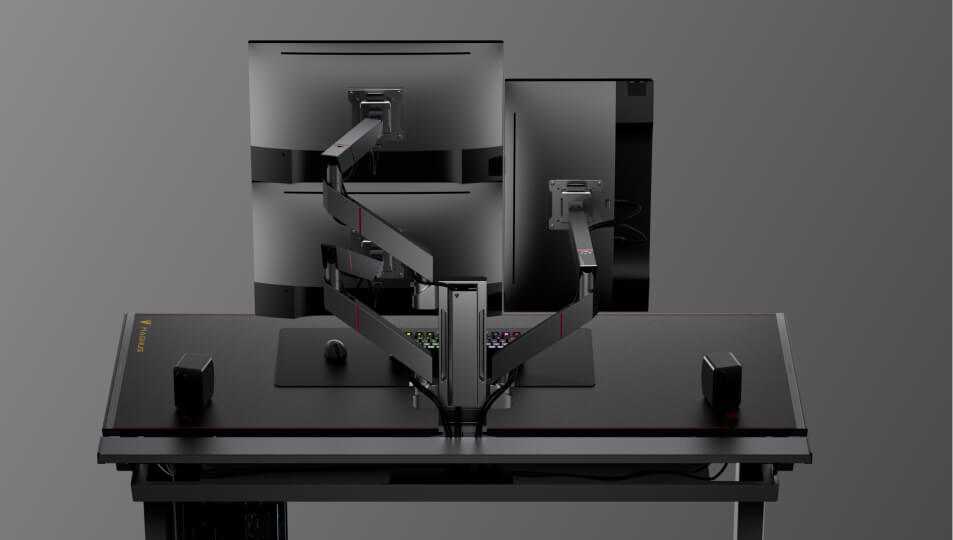
Yes, vertical monitors often need special stands or mounts to ensure stability and proper ergonomic positioning. Using the right stand not only prevents wobbling but also allows for easy adjustments, making your workspace more comfortable and efficient.
Vertical monitors do not always require a special stand, but choosing the right support is crucial for safety and comfort. Many monitors are designed with standard stands, but when you rotate them vertically, stability can become an issue without the proper mount. Special stands or adjustable mounts are particularly useful for those who frequently switch orientations or want better ergonomics. Investing in a quality stand can improve your viewing experience, reduce neck strain, and keep your workspace organized. Whether you need a simple adjustable stand or a more specialized mount, understanding your monitor’s requirements ensures you get the best setup for your needs.

Do Vertical Monitors Need Special Stands? A Complete Guide
Understanding the Basics of Vertical Monitors
Vertical monitors, also called portrait mode monitors, are designed to display content in a tall, narrow format. They are often used by writers, programmers, and designers who need to view long documents or multiple lines of code at once. Unlike traditional horizontal monitors, vertical screens require specific considerations when it comes to mounting and support.
Are Standard Stands Suitable for Vertical Monitors?
Most standard monitor stands are built to support horizontal orientation. They usually hold the monitor in a fixed position that favors landscape mode. When you switch a monitor to vertical, the stand may no longer provide proper support or stability. This can lead to issues like wobbling or even the monitor falling if the stand isn’t adjustable.
Why Do Vertical Monitors Often Need Special Stands?
Vertical monitors tend to have different ergonomic needs compared to traditional monitors. Special stands are designed to accommodate these needs by providing better stability, height adjustment, and tilt options. These features make using the monitor more comfortable for extended periods and prevent strain on your neck and eyes.
Features to Look for in a Stand for Vertical Monitors
When choosing a stand for a vertical monitor, consider these features:
- Adjustability: The stand should allow height, tilt, and swivel adjustments to customize your viewing angle.
- Stability: A sturdy base prevents wobbling and accidental tipping.
- VESA Compatibility: Many monitors can be mounted on stands that use VESA mounts, which are standardized mounting holes.
- Cabling Management: Good stands have features to organize cables neatly.
Mounting Options for Vertical Monitors
Most vertical monitors can be supported with different mounting solutions:
Dedicated Monitor Stands
These stands are designed specifically for monitors and often have adjustable features suitable for vertical display. They offer a stable base and ergonomic positioning.
VESA Mounts
VESA mounts attach directly to the monitor and can be connected to adjustable arms or stands. Many VESA-compatible stands are adjustable and support vertical orientation easily.
Desk Clamps and Arms
Using a clamp or arm attached to your desk allows flexible positioning and can support vertical setups. These solutions are popular for multi-monitor configurations as well.
Types of Stands Suitable for Vertical Monitors
There are several types of stands that work well for vertical monitors:
- Fixed Stands: Simple, sturdy, but lack adjustments.
- Adjustable Stands: Allow tilt, height, and sometimes swivel adjustments. Ideal for ergonomic setup.
- Portable Stands: Compact and lightweight. Good for on-the-go use, but may have limited support for heavy monitors.
- Multi-Monitor Mounts: Great if you plan to set up multiple monitors in portrait mode. They offer extensive adjustment options.
Factors to Consider When Buying a Stand for Vertical Monitors
Before purchasing a stand, think about the following:
- Monitor Size and Weight: Larger, heavier monitors need strong, stable supports.
- VESA Compatibility: Check if your monitor has VESA mounting holes and the size requirements.
- Desk Space: Make sure the stand will fit comfortably in your workspace.
- ergonomic Goals: Prioritize stands that allow height and tilt adjustments to reduce strain.
- Budget: There are stands ranging from affordable to premium options based on features.
Custom Solutions for Vertical Monitor Support
Some users prefer custom stands or DIY solutions to support vertical monitors. These can include modified desk mounts or repurposed monitor arms. Always ensure that the custom setup can support your monitor’s weight and has enough adjustability for comfortable use.
Common Mistakes When Supporting Vertical Monitors
Avoid these pitfalls to ensure safety and comfort:
- Using an inappropriate stand that cannot support the weight or size of your monitor.
- Neglecting VESA compatibility leading to unstable mounting options.
- Ignoring ergonomic adjustments, which may cause neck or eye strain.
- Overlooking cable management, resulting in clutter and potential damage.
Final Tips for Choosing the Right Stand for Your Vertical Monitor
Always verify the specifications of your monitor before buying a stand. Look for adjustable, sturdy, and VESA-compatible options to get the most out of your vertical setup. Investing in a quality stand enhances your viewing comfort and prolongs your monitor’s lifespan.
In summary, vertical monitors often do benefit from specially designed stands or mounts. These supports ensure stability, ergonomic positioning, and easy adjustments, making your vertical display a more effective and comfortable workspace. Selecting the correct stand depends on your monitor’s size, weight, and your specific needs for flexibility and space.
Upgrading my Set Up with a Vertical Monitor #pcsetup #gamingsetup
Frequently Asked Questions
Can any stand support a vertical monitor securely?
While many stands can hold vertical monitors, not all provide the stability needed for extended use. It is important to check if the stand is designed to accommodate the monitor’s size and weight in a vertical position. Stands with adjustable height and tilt features often offer better support and positioning, ensuring your monitor remains steady during use.
Are there stands specifically designed for vertical monitor orientation?
Yes, some stands are built with features tailored for vertical monitors. These stands allow easy rotation from landscape to portrait mode without sacrificing stability. They often include adjustable mounting options and ergonomic features to ensure comfortable viewing angles when using your monitor vertically.
What should I consider when choosing a stand for a vertical monitor?
Look for a stand that offers sturdy support, adjustable height, and tilt options to fit your workspace needs. Compatibility with your monitor’s size and weight is essential, as well as the ease of rotation to switch between orientations. A well-designed stand can improve your workflow and prevent accidental tipping or instability.
Final Thoughts
Vertical monitors often sit comfortably on regular stands, but certain models benefit from specialized stands for better stability and ergonomic positioning. do vertical monitors need special stand primarily depends on monitor size and design, as some models are built with adjustable or rotating bases.
Using the right stand ensures the monitor remains steady and reduces strain during extended use. In conclusion, while not all vertical monitors require a special stand, opting for one can improve your setup and comfort.



