


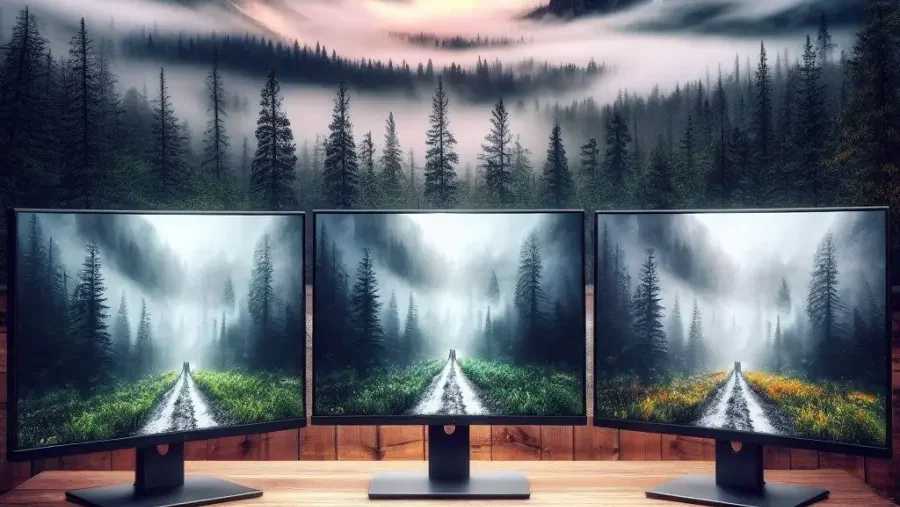
If you’re serious about gaming, choosing the right HDR level can significantly enhance your experience. For most gamers, HDR400 offers a noticeable boost over standard displays, but if you’re aiming for stunning visuals with richer contrast and deeper blacks, HDR600 is the better pick. So, do you need HDR400 or HDR600 for gaming? It depends on your budget and how much you value picture quality. Generally, HDR600 provides a more immersive experience for gamers who want vibrant, lifelike images, while HDR400 is a good starting point for casual players.
When it comes to gaming, the debate between HDR400 and HDR600 boils down to visual fidelity and personal preference. HDR600 delivers better contrast and more vivid colors, making it ideal for immersive gameplay, especially in dark or brightly lit scenes. However, not everyone needs the premium quality of HDR600 unless they’re a dedicated gamer or an enthusiast eager to optimize their visual experience. Understanding the differences can help you decide whether to upgrade your display or stick with HDR400 for now.

Do You Need HDR400 or HDR600 for Gaming?
Understanding HDR and Its Impact on Gaming
HDR stands for High Dynamic Range and improves the picture quality of your display. It allows for brighter highlights and darker shadows, making game scenes look more vivid and realistic. HDR significantly enhances the gaming experience, especially in visually rich titles.
What Does HDR400 Mean?
HDR400 is a basic level of HDR certification. It offers a peak brightness of at least 400 nits, providing a noticeable improvement over standard SDR displays. For many casual gamers, HDR400 delivers decent visual enhancements without demanding high-end hardware.
What Does HDR600 Mean?
HDR600 is a step above HDR400, with a minimum brightness of 600 nits. It offers better contrast, brighter highlights, and more vivid colors. Serious gamers or those who value visuals might prefer HDR600 for a more immersive experience.
Key Differences Between HDR400 and HDR600
| Feature | HDR400 | HDR600 |
|---|---|---|
| Peak Brightness | Minimum 400 nits | Minimum 600 nits |
| Color Range | Standard HDR | Enhanced HDR |
| Contrast and Highlights | Good but limited | Better contrast and more vibrant highlights |
| Cost | Generally more affordable | Higher price due to better performance |
Is HDR400 Enough for Casual Gaming?
For casual gamers who enjoy playing less graphically demanding titles, HDR400 provides a noticeable upgrade over SDR. It enhances the visual quality without requiring expensive hardware or making a big impact on performance.
Will HDR600 Improve Your Gaming Experience?
HDR600 is ideal for gamers wanting richer visuals and more detail in dark and bright scenes. It suits those who play AAA titles, open-world games, or games with high contrast visuals. It offers a more immersive experience, especially on compatible screens.
Compatibility With Your Gaming Setup
Ensure your gaming monitor or TV supports the HDR standard you choose. Many devices specify HDR10 support, which is common in both HDR400 and HDR600 displays. Check the device’s specifications before making a decision.
The Role of Content and Games in HDR Performance
Not all games fully utilize HDR. Titles with rich visuals and high contrast benefit most from HDR displays. For games with limited HDR implementation, the difference between HDR400 and HDR600 may be less noticeable.
Hardware Requirements for HDRGaming
Your graphics card and console should support HDR standards to get the full benefit. Modern GPUs and gaming consoles like Xbox Series X and PlayStation 5 support both HDR400 and HDR600, but performance may vary depending on hardware capabilities.
Price Considerations and Budgeting
HDR600 monitors are often priced higher due to their superior capabilities. If you are on a tight budget, HDR400 monitors offer a good balance of performance and affordability. Decide based on how much visual quality matters to you.
Energy Consumption and Environmental Factors
Higher brightness levels in HDR600 displays can lead to increased power consumption. If you are concerned about energy use, HDR400 might be more efficient without drastically sacrificing gaming quality.
Alternative Technologies to Enhance Gaming Visuals
Apart from HDR, features like local dimming, higher refresh rates, and wider color gamuts improve gaming visuals. Consider these factors when choosing a monitor alongside HDR support.
Should You Upgrade to an HDR600 Monitor?
If you already own a monitor with HDR400 and are happy with your gaming experience, an upgrade to HDR600 is optional. However, if you crave sharper visuals and better contrast, investing in HDR600 makes sense.
Summing It Up
Choosing between HDR400 and HDR600 depends on your gaming preferences, budget, and hardware compatibility. HDR600 offers a more vivid and detailed picture, but HDR400 still enhances visuals significantly for most casual gamers. Consider your needs carefully to get the most out of your gaming setup.
Are HDR Monitors Worth It? VESA DisplayHDR Explained!
Frequently Asked Questions
What level of HDR is necessary for an improved gaming experience?
For most gamers, HDR400 offers a noticeable improvement in picture quality, providing better contrast and color depth. However, HDR600 enhances these qualities further, delivering brighter highlights and more detailed shadows. If you prioritize vivid visuals and a more immersive atmosphere, opting for HDR600 can be advantageous, especially in visually demanding games.
Does HDR600 significantly outperform HDR400 in gaming scenarios?
Yes, HDR600 generally provides superior performance compared to HDR400. It can display brighter scenes with more nuanced details and richer colors that contribute to a more lifelike experience. For titles with high dynamic range content, HDR600 helps in capturing the full visual spectrum, though the difference may be subtle in less demanding games.
Is HDR400 enough for casual or competitive gaming?
For casual gamers, HDR400 usually suffices to enhance overall visual quality without demanding high-end hardware or extra investment. Competitive players, however, may prioritize other features like high refresh rates and low response times, since HDR’s influence on competitive gameplay remains less critical. Still, HDR400 can add a layer of visual clarity that benefits immersion.
How do display size and brightness impact the choice between HDR400 and HDR600?
On larger screens or brighter environments, HDR600 performs better because it can produce more intense highlights and better contrast, making visuals more striking. In smaller setups or dimly lit rooms, the difference becomes less noticeable, so HDR400 might still deliver a satisfactory experience without the additional cost of higher HDR standards.
Can I enjoy HDR content effectively with either HDR400 or HDR600 in gaming?
Both HDR400 and HDR600 can improve the display of HDR content in games, but HDR600 offers a more vibrant and dynamic visual experience. If your gaming setup supports higher brightness levels and you want to see detailed highlights and shadows, choosing HDR600 ensures you get the most out of HDR-enabled titles. Otherwise, HDR400 remains a decent option for general enhancement.
Final Thoughts
Choosing between HDR400 and HDR600 depends on your gaming needs. HDR600 offers a higher peak brightness and better contrast, enhancing visual quality during fast-paced scenes. If you play graphically demanding games or want richer visuals, HDR600 is the better choice. However, HDR400 can suffice for casual gaming and provides decent HDR performance at a lower cost. Ultimately, for a more immersive experience, you do need HDR400 or HDR600 for gaming, with HDR600 providing a noticeable upgrade.



