


To quickly adjust your monitor brightness, simply locate the brightness buttons on your monitor or use your computer’s display settings. These options allow you to find the perfect brightness level for your environment, reducing eye strain and improving viewing comfort. Whether you’re working in dim light or bright sunlight, tweaking the brightness is straightforward and can be done in just a few steps.
Adjusting your monitor brightness is a simple yet crucial way to enhance your viewing experience and protect your eyes. Most monitors have dedicated buttons or touch controls for brightness, but you can also change the setting via your computer’s operating system. Learning how to do this ensures you can quickly adapt your display to different lighting conditions, making your work or entertainment session more comfortable and efficient.
If you want to adjust your monitor brightness, start by finding the brightness controls on your monitor itself or accessing display settings on your device. From there, you can easily increase or decrease the brightness to your preferred level, ensuring an optimal viewing experience in any lighting condition.
Brightening or dimming your screen can make a big difference in reducing eye fatigue and improving clarity. Whether you prefer the quick method using physical buttons or the more detailed control through system settings, adjusting your monitor’s brightness is a simple task that can significantly improve your screen time.

How Do I Adjust Monitor Brightness?
Adjusting your monitor brightness helps reduce eye strain and improves your viewing experience. It’s a quick process that can make a big difference, especially during long screen sessions. Below, we will explore different ways to change monitor brightness on various devices and operating systems.
Understanding Why Adjusting Brightness Matters
Proper brightness settings help prevent eye fatigue and headaches caused by harsh light or dim screens. When your monitor is too bright, it can cause discomfort, especially in dim environments. Conversely, a screen that’s too dim may make it hard to see details clearly.
Adjusting brightness also conserves energy and extends the life of your monitor. It’s important to find a balance that matches your surroundings and personal comfort levels.
Methods to Adjust Monitor Brightness
There are different ways to change your monitor brightness, depending on your device type and setup. We will discuss both hardware and software options to give you the most control over your display settings.
1. Using Built-In Monitor Controls
Most monitors have physical buttons located on the front or side. These buttons usually include menu, increase brightness, decrease brightness, and other navigation keys. You can quickly adjust brightness by following these steps:
- Press the “Menu” button on your monitor.
- Navigate to the “Brightness” setting using the arrow buttons.
- Adjust brightness level by pressing the “+” or “–” buttons.
- Save your settings and exit the menu.
This method provides an intuitive way to control brightness without needing a computer or software interface. It’s especially useful when your operating system controls are unresponsive or disabled.
2. Adjusting Brightness via Operating System Settings
Windows Devices
Windows offers built-in options to change screen brightness, especially on laptops. Here’s how you can do it:
- Click the Start menu and select “Settings”.
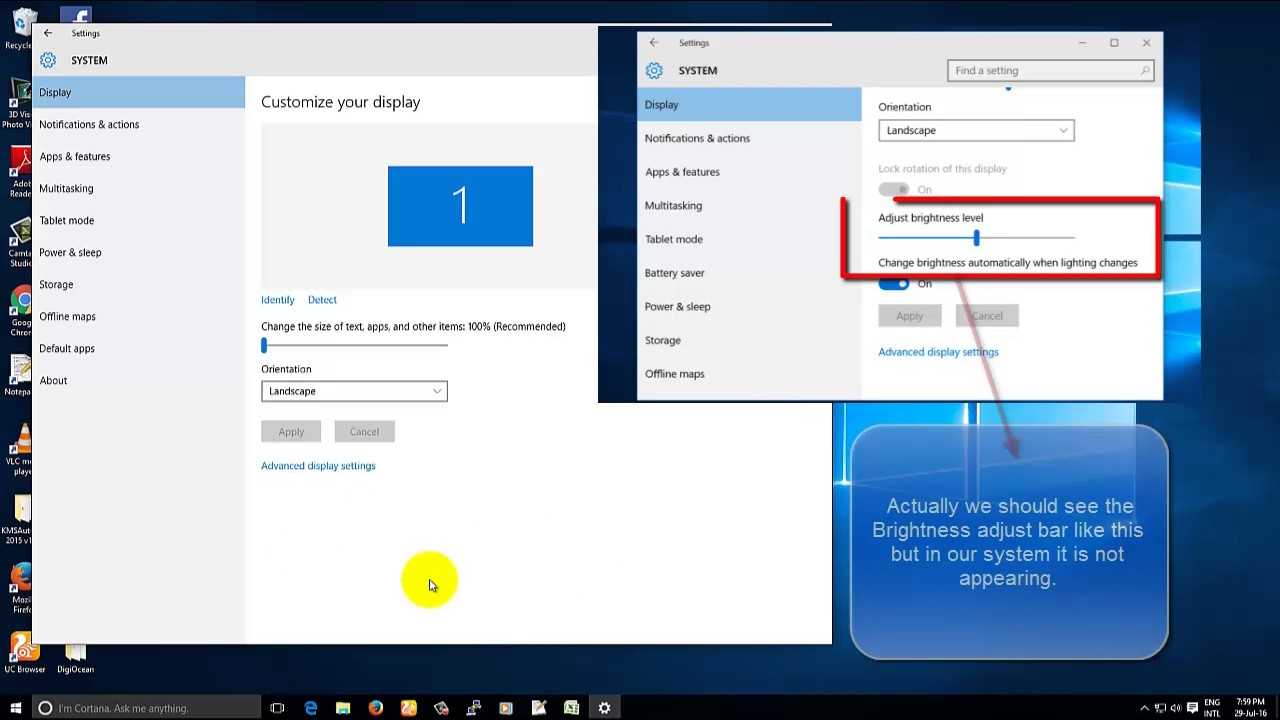
- Go to “System” and then “Display”.
- Find the “Brightness and color” section.
- Adjust the slider to increase or decrease brightness.
If you’re using a desktop computer without a built-in brightness control, you might need to adjust through the monitor’s physical buttons or graphics card software.
Mac Devices
Mac users can adjust brightness through the system preferences or keyboard shortcuts:
- Click the Apple menu and select “System Preferences”.
- Choose “Displays”.
- Use the brightness slider to set your preferred level.
Alternatively, use the brightness keys on your keyboard if available.
3. Using Keyboard Shortcuts
Many laptops and some monitors have dedicated function keys for brightness adjustment. Usually, these keys are marked with a sun icon or similar symbols. To adjust brightness:
- Locate the brightness keys, often F1 and F2 or marked with a sun icon.
- Press the increase or decrease key to change brightness levels.
- Some laptops require pressing the “Fn” key simultaneously with the function key.
This method allows quick adjustments without navigating menus or software.
4. Adjusting Brightness in Graphics Card Software
If your computer uses dedicated graphics card software, you can control brightness settings there. Examples include NVIDIA Control Panel or AMD Radeon Settings. These tools provide advanced options for display calibration.
- Open the graphics card software from your system tray or start menu.
- Navigate to display or color settings.
- Adjust the brightness or gamma sliders accordingly.
This approach offers fine-tuning capabilities for professional tasks like photo editing or gaming.
How to Optimize Brightness for Different Environments
Adjusting brightness based on your environment improves comfort and visibility. For bright rooms, increase brightness to reduce glare. In dark rooms, lower brightness to prevent eye strain.
Here are some environment-specific recommendations:
- Bright Rooms: Maximize brightness but avoid glare by positioning your monitor properly.
- Dim Rooms: Use lower brightness levels to prevent eye fatigue.
- Night Mode: Enable night mode or blue light filters to reduce eye strain during late hours.
Additional Tips for Managing Monitor Brightness
Using Adaptive Brightness Settings
Some devices come with automatic brightness adjustment features that adapt based on ambient light. Enable these options if available to maintain consistent comfort.
Calibrating Your Display
Proper calibration ensures the brightness, contrast, and color balance are optimal. Use built-in calibration tools or third-party software to fine-tune your display settings.
Frequency of Adjustments
Regularly updating brightness settings helps prevent eye fatigue, especially when moving between different lighting environments. Make small adjustments as needed for ongoing comfort.
Common Problems and Solutions
Brightness Slider is Unresponsive
If your brightness slider doesn’t work, update your display drivers or check for software conflicts. Restarting your device can also resolve minor glitches.
Cannot Find Brightness Controls
On desktops or certain monitors, controls may be hidden or disabled. Use the monitor’s physical buttons or update graphics card drivers for better control.
Brightness Changes Too Slowly
Adjusting hardware or software settings might take some time. Ensure your system is up to date and that no background processes interfere with display controls.
Changing your monitor brightness is a simple yet essential step to ensure comfortable viewing and healthy eye habits. Whether you prefer using physical buttons, system settings, or keyboard shortcuts, there are multiple ways to personalize your display. Remember to adjust your brightness based on your environment and activity for the best experience. Regular calibration and awareness of your device’s features will help you maintain an optimal visual setup at all times.
Windows 10 Basics – How to adjust your laptop or tablet screen brightness settings
Frequently Asked Questions
How can I quickly adjust the brightness using my monitor’s physical buttons?
Most monitors have dedicated physical buttons or dials located on the front or side. To adjust brightness quickly, locate these controls, press the button labeled for menu or settings, and navigate to the brightness option. Use the arrow keys or dials to increase or decrease the brightness level until it suits your preference.
What should I do if the on-screen display (OSD) menu is unresponsive when adjusting brightness?
If the OSD menu doesn’t respond, try resetting your monitor by turning it off and unplugging it for a few minutes. Ensure that you are pressing the correct buttons and that there are no obstructions. Sometimes, updating your monitor’s firmware or restarting your computer can resolve the issue, allowing you to access the brightness settings smoothly.
Are there software options to control monitor brightness without using physical buttons?
Yes, many monitors come with manufacturer-specific software that allows you to control settings like brightness directly from your computer. Additionally, operating systems like Windows and macOS offer display settings where you can adjust brightness. These software-based controls provide a convenient way to modify brightness without touching physical buttons.
How does ambient lighting affect how I should set my monitor’s brightness?
In well-lit environments, increasing your monitor’s brightness helps reduce glare and improve visibility. Conversely, in darker rooms, lowering the brightness minimizes eye strain and prevents the display from appearing too harsh. Adjust your monitor’s brightness based on your surroundings to ensure comfortable viewing and reduce fatigue.
What are some tips to optimize brightness for extended computer use?
Set your monitor brightness to match your ambient lighting, avoiding excessive glare. Use lower brightness levels during late-night sessions to prevent eye strain. Take regular breaks to give your eyes rest, and consider enabling blue light filters or night modes that adjust brightness and color temperature for comfortable viewing over long periods.
Final Thoughts
To adjust your monitor brightness, locate the brightness controls on your screen or keyboard. Many monitors have dedicated buttons or a menu accessed via the on-screen display (OSD). You can also adjust brightness through your computer settings for more precision.
Understanding how do I adjust monitor brightness helps reduce eye strain and improves viewing comfort. Keep in mind that the method varies based on your device type and operating system. Practicing these simple steps makes managing brightness quick and easy.
In summary, how do I adjust monitor brightness? Use physical buttons or software settings to find the perfect level for your environment. Adjusting brightness effectively ensures a comfortable viewing experience at all times.



