


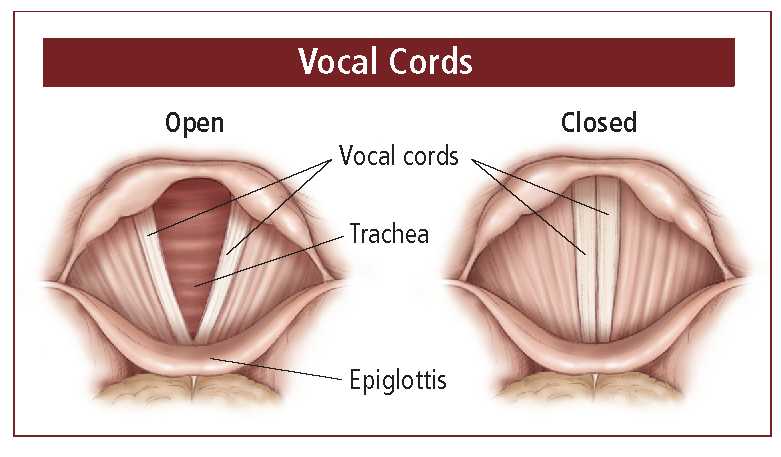
The voice box, or larynx, produces sound by vibrating when air passes through it, creating the musical notes we recognize as speech or singing. When you speak or hum, your vocal cords tighten and loosen, modulating airflow to generate different pitches and tones. This incredible process allows us to communicate, express emotions, and even enjoy music. The voice box acts like a natural musical instrument, transforming breath into sound through a delicate balance of muscle movements and airflow control. Understanding how this tiny, complex structure works reveals the fascinating mechanics behind every voice we hear. Whether you’re chatting with a friend or belting out a song, your voice box is working behind the scenes, transforming your thoughts into the sounds that define human connection.

How Does the Voice Box Produce Sound
The voice box, also known as the larynx, plays a key role in how we speak, sing, and even breathe. It is a complex structure that transforms air into sound, allowing us to communicate effectively. To understand how the voice box produces sound, we need to explore its anatomy and the processes involved.
Understanding the Anatomy of the Voice Box
The larynx is located in the neck and is made up of cartilage, muscles, and tissue. It contains the vocal cords, also called vocal folds, which are essential for sound production. These cords are flexible, elastic bands that can tighten or loosen to change the pitch and tone of the sound.
The Cartilage Structure of the Larynx
The larynx is mainly composed of several cartilages, with the thyroid cartilage being the largest. This cartilage forms the front wall of the larynx and is responsible for its shape. The cricoid cartilage sits below the thyroid cartilage and provides support. Other smaller cartilages help control the movement of the vocal cords.
The Vocal Cords
The vocal cords are two bands of tissue stretched across the larynx. They are attached to muscles that control their tension and length. When air passes through, these cords vibrate, producing sound waves. The tension and length of the cords determine the pitch and loudness of the sound.
The Process of Sound Production in the Voice Box
Sound production begins with the lungs pushing air upward through the trachea. As the air reaches the larynx, it encounters the vocal cords. The process involves several steps that work together to create sound.
Step 1: Airflow from the Lungs
Exhalation causes air to flow from the lungs through the windpipe, or trachea. This airflow supplies the energy needed for vibrations in the vocal cords.
Step 2: Vocal Cord Vibration
When the air reaches the vocal cords, they are brought close together by muscles. The airflow causes the cords to vibrate rapidly, producing sound waves.
Step 3: Pitch Control and Modulation
The tension of the vocal cords influences the pitch of the sound. Tight cords vibrate faster, producing higher notes. Looser cords vibrate slower, resulting in lower sounds. The brain controls these adjustments to produce different pitches and tones.
How the Vocal Cords Vibrate to Create Sound
Vibration is the key to sound creation. When the vocal cords vibrate, they generate pressure waves in the air. These waves travel through the throat, mouth, and nose to shape the sound we hear as speech or singing.
Understanding Vocal Cord Vibration
The vibration frequency determines the pitch. Faster vibrations produce high-pitched sounds, while slower vibrations produce lower-pitched sounds. The amplitude of these vibrations affects the loudness.
Types of Vocal Cord Vibration Patterns
- Modal vibration: The most common pattern used in speech and singing, producing clear and steady sounds.
- Vocal fry: Very slow vibrations, used in specific vocal styles or as a sign of vocal fatigue.
- Falsetto: Tightening of the cords leads to very high pitches, often used in singing.
Shaping the Sound: Resonance and Articulation
After the vocal cords produce initial sound, it is shaped by resonating chambers in the throat, mouth, and nasal passages. These structures modify the sound’s tone and clarity to produce recognizable speech and singing tones.
The Role of the Pharynx and Mouth
The throat (or pharynx) acts as a resonating space, amplifying and modifying the sound. The tongue, lips, and palate shape the airflow to form different vowels and consonants.
The Impact of Nasal Cavities
Nasal passages influence the nasal quality of sounds, especially in speech sounds like “m,” “n,” and “ng.” Adjusting the opening of the nasal passages alters the resonance and tone of the voice.
Controlling Voice Production
Various muscles and nerves work together to control pitch, volume, and tone. This fine-tuning allows us to speak with emotion, expressiveness, and clarity.
Muscles Involved in Voice Control
- thyroarytenoid muscles: Adjust tension in the vocal cords for pitch modulation.
- Cricothyroid muscles: Lengthen and tighten the cords to increase pitch.
- Lateral cricoarytenoid muscles: Help close the vocal cords during phonation.
Neural Control of the Voice
The brain’s motor cortex and other areas send signals through nerves to coordiate muscle movements. This process ensures smooth, precise control of speech and singing.
Factors That Affect Voice Production
A number of elements can influence how well the voice box produces sound. These include health, emotional state, and physical condition.
Health and Vocal Cords
Infections, irritation, or injuries to the vocal cords can impair vibration and sound quality. Proper hydration and avoiding strain protect the voice.
Age and Voice Changes
As we age, the vocal cords may become less elastic, affecting pitch and strength. Young children have smaller, more flexible cords, producing higher pitches.
Emotional and Psychological Factors
Stress or anxiety can tighten muscles or cause vocal tension, impacting the voice. Relaxation techniques may help improve sound production.
Related Topics: Voice Disorders and Improving Voice Quality
Issues like hoarseness, nodules, or paralysis can affect how the voice box produces sound. Voice therapy and exercises can help strengthen the vocal cords and improve voice quality.
Understanding the intricate process of how the voice box produces sound reveals the marvel of vocal communication. From the anatomy of the vocal cords to the control of airflow and resonance, each part plays a vital role. This knowledge helps us appreciate the complexity behind everyday speech and singing, and underscores the importance of caring for our voice health.
How Does the Human Body Produce Voice and Speech?
Frequently Asked Questions
What role do the vocal cords play in producing sound?
The vocal cords, also known as vocal folds, vibrate as air passes through them from the lungs. This vibration generates sound waves, which form the basis of voice. The tension and length of the cords determine the pitch, while the force of the airflow affects the volume of the sound produced.
How does airflow contribute to sound production in the voice box?
Air from the lungs flows through the trachea and passes through the glottis, the space between the vocal cords. As the air pushes through, it causes the cords to vibrate. The quality and strength of this airflow influence how loud and clear the voice sounds, as well as the pitch variations.
In what way do muscle movements affect voice modulation?
The muscles within the larynx adjust the tension and position of the vocal cords. When these muscles contract or relax, they change the length and tightness of the cords, allowing us to produce a wide range of pitches and tones. Precise muscle control enables us to modulate our voice effectively.
Why does the shape of the mouth and throat impact the sound we produce?
The shape and size of the mouth, tongue, and throat modify the resonant properties of the vocal sound. These structures act as chambers that amplify or filter certain frequencies, shaping the unique qualities of each person’s voice and allowing us to produce different sounds and speech patterns.
Final Thoughts
The voice box, or larynx, produces sound by vibrating when air passes through it. The vocal cords tighten and relax to change pitch and volume. As air from the lungs flows over them, vibrations generate sound waves.
How does the voice box produce sound? It involves a coordinated effort of muscles and tissues that control vocal cord movement. These vibrations create the sounds we recognize as speech or singing.



