


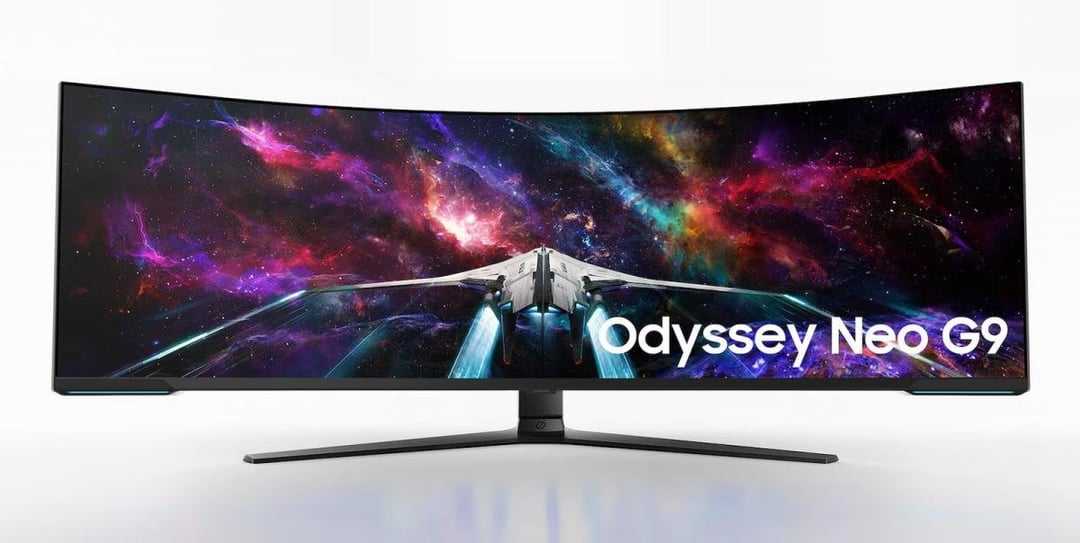
Yes, an 8K monitor can be fantastic for gaming, but it’s not necessarily the perfect choice for everyone. While it offers incredible detail and sharpness, the high demands on hardware and potential latency issues mean it’s best suited for enthusiasts with powerful systems. Overall, an 8K monitor can deliver stunning visuals, but whether it’s right for gaming depends on your setup, games, and what you value most in the gaming experience.
In short, 8K monitors provide incredibly detailed images that can elevate your gaming visuals, but they come with challenges like high hardware requirements and limited game support. For gamers seeking smooth performance and affordability, a 4K or higher refresh rate monitor might be a better fit, though 8K offers unmatched clarity for future-proofing.
Jumping into the world of 8K gaming might sound tempting with its mind-blowing resolution, but it’s not the straightforward upgrade many imagine. While the ultra-high definition is visually stunning, gaming at 8K pushes current hardware to its limits, leading to potential lag or lower frame rates. Plus, most games and GPUs aren’t fully optimized for 8K yet. If you’re a tech enthusiast eager for the cutting edge and have the right system, an 8K monitor can be a game-changer. However, for the average gamer or those seeking smooth, high-performance gameplay, sticking with 4K or higher refresh rates might be more practical. As technology advances, 8K gaming will become more accessible, but for now, it’s more of a complement to serious gaming setups rather than a standard choice.

Is 8K Monitor Good for Gaming? An In-Depth Look
What Exactly Is an 8K Monitor?
An 8K monitor boasts a resolution of 7680 pixels horizontally and 4320 pixels vertically. That means over 33 million pixels on a single screen, offering incredibly detailed images. This level of clarity surpasses 4K and Ultra HD, providing a sharper, crisper picture.
Image Quality and Detail
With such high resolution, 8K monitors deliver stunning visual details. Games with rich textures and intricate environments appear more lifelike and immersive. However, to really benefit from this sharpness, games must have high-quality graphics and detailed assets.
Hardware Requirements for Gaming on 8K Monitors
Running games at 8K demands a powerful setup. You need a top-tier graphics card, like Nvidia GeForce RTX 4090 or AMD Radeon RX 7900 XTX, to handle the high pixel count. Additionally, a fast processor, sufficient RAM, and a high-bandwidth connection are vital for smooth gameplay.
Frame Rate and Refresh Rate Considerations
Most 8K monitors offer refresh rates of 60Hz, which can be limiting for fast-paced games. For smoother gameplay, a higher refresh rate, like 120Hz or more, is preferable. Currently, few 8K monitors provide high refresh rates, making it a challenge for competitive gaming.
Latency and Responsiveness
Latency, or input lag, impacts how quickly your actions are reflected on screen. High-quality 8K gaming monitors aim for low latency, but at such high resolutions, achieving very low input lag can be challenging. Gamers prioritizing responsiveness need to check monitor specifications carefully.
Gaming Experience: Visuals vs. Performance
While 8K offers breathtaking visuals, it often comes at the cost of performance. Many gamers find that 8K gaming requires sacrificing frame rate or graphical settings to maintain smooth gameplay. For most users, 4K provides a good balance between visuals and performance.
Game Compatibility with 8K Displays
Not all games support 8K resolution. Older or less demanding titles may not benefit from such high resolution, and some newer games are optimized mainly for 4K or lower. To maximize your investment, check whether your favorite games can run at 8K.
Upscaling and Image Enhancement Technologies
Many 8K monitors include upscaling features to improve the appearance of lower-resolution games. Technologies like DLSS (Deep Learning Super Sampling) help boost frame rates and image quality, making 8K gaming more feasible on less powerful hardware.
Cost and Accessibility
8K monitors are still quite expensive, often costing more than $3000. Plus, upgrading hardware to support 8K gaming adds further expenses. For most gamers, this makes 8K an aspirational goal rather than a practical choice right now.
Future Proofing and Longevity
Investing in 8K displays can be seen as future-proofing, as content gradually shifts toward higher resolutions. As hardware improves and prices decrease, 8K gaming will become more accessible, but currently, it remains a niche among gamers.
Comparison with 4K and Other Resolutions
| Resolution | Pixels | Typical Gaming Experience | Hardware Requirements | Cost Range |
|————–|——–|—————————-|————————|————–|
| 4K | 3840×2160 | Standard for high-end gaming | Moderate to high | $500–$1500 |
| 8K | 7680×4320 | Exceptional detail but demanding | Very high | $3000+ |
This table highlights how 8K differs significantly from 4K in both visual quality and hardware needs.
Is 8K Gaming Practical Right Now?
For most gamers, 8K gaming is not yet practical due to cost, hardware demands, and limited game support. While technically impressive, it is best suited for enthusiasts with high budgets and powerful systems. Everyday gamers will find 4K or even 1440p more sensible choices.
Potential Benefits of 8K Monitors for Gaming
Despite current limitations, 8K offers future benefits. As technology advances, games will become more optimized for higher resolutions. An 8K monitor provides an ultra-sharp image that enhances virtual immersion and detail.
While 8K monitors bring incredible visual clarity, they are not yet the ideal choice for most gamers. The hardware requirements, costs, and game compatibility issues make 8K gaming a niche market. For now, users should weigh their gaming goals against current technology and budget constraints, considering whether 4K or even 1440p might be better options. As technology continues to develop, 8K could become a mainstream gaming resolution in the future.
8K Gaming is NEVER Happening – RTX 5090 Demo
Frequently Asked Questions
Does an 8k monitor provide better gaming visuals compared to lower resolutions?
While an 8k monitor offers extremely high image clarity, most current games do not fully support such resolutions. Even if they do, the difference in visual quality may be subtle unless you use very large screens at close viewing distances. For most gamers, high-quality 4k monitors still deliver impressive visuals without requiring the same high-end hardware and bandwidth that 8k demands.
How does an 8k monitor impact gaming performance and frame rates?
Running games at 8k resolution requires substantial graphics processing power, which can significantly reduce frame rates. Many gaming PCs struggle with this resolution unless equipped with top-tier GPUs. As a result, gamers often experience lower refresh rates and increased latency, making gameplay less smooth compared to lower resolutions like 4k or 1440p.
Is an 8k monitor suitable for competitive gaming or fast-paced genres?
For competitive gaming and fast-paced genres, responsiveness and high frame rates matter most. Most 8k monitors are optimized for detailed visuals rather than low latency or rapid response times. Therefore, they may not meet the demands of professional or intense gaming sessions, where a 144Hz or higher refresh rate at 4k resolution might serve better.
What hardware is necessary to run games effectively on an 8k monitor?
To run games smoothly at 8k, gamers need a high-end graphics card, a powerful CPU, ample RAM, and fast storage solutions. Even then, achieving consistent frame rates can be challenging. Many users opt for lower resolutions or settings to maintain playable performance unless they upgrade their entire gaming setup.
Are there any benefits to using an 8k monitor for gaming despite current limitations?
Using an 8k monitor for gaming can future-proof your setup and provide exceptional image clarity when viewing content that supports high resolutions. It also offers the potential for more detailed visuals in non-gaming activities like video editing or multimedia consumption. However, the current gaming landscape limits the practical benefits due to hardware and software constraints.
Final Thoughts
A concluding assessment highlights that while 8k monitors offer stunning visuals, their practicality for gaming remains limited. The high resolution demands powerful hardware, often leading to high costs and minimal performance benefits at standard gaming distances.
For casual gamers, an 8k monitor may not be worth the investment, as current titles struggle to leverage such resolution effectively.
Therefore, is 8k monitor good for gaming? It depends on your priorities—if top-tier visuals matter more than smooth gameplay, it could suit your needs.



