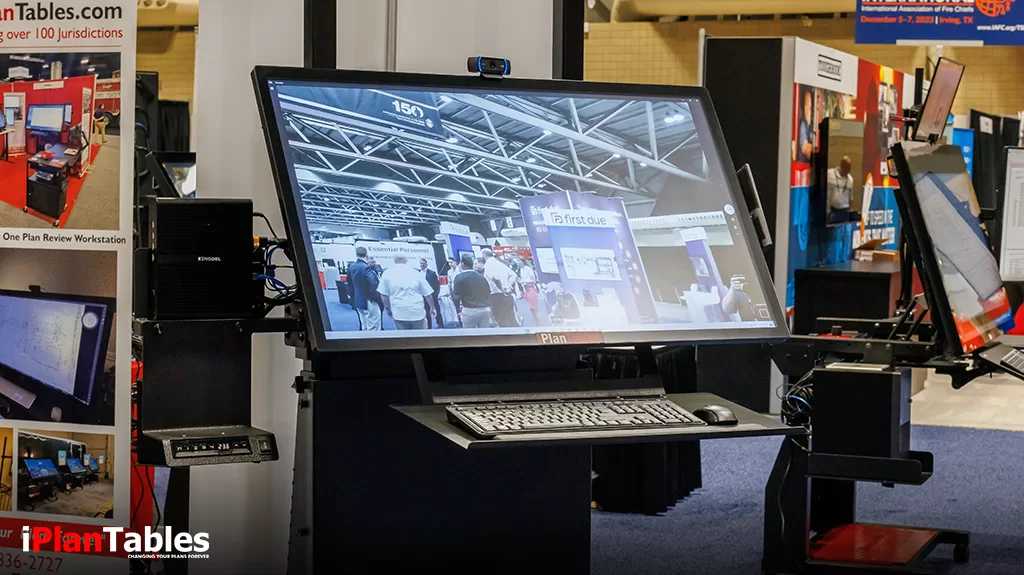
Yes, touchscreen monitors are excellent tools for collaboration, making teamwork more interactive and engaging. They allow multiple users to contribute directly on the screen, speeding up decision-making and fostering creativity. Overall, they enhance communication and streamline the sharing process in group settings.
Touchscreen monitors have revolutionized how teams work together, especially in modern, dynamic environments. They are intuitive and versatile, allowing users to write, draw, and interact directly with content. Whether in meetings, classrooms, or creative studios, these monitors make collaboration more natural and efficient. The ability to quickly manipulate data and ideas on a shared screen encourages active participation and reduces misunderstandings. While they might not replace all traditional tools, they certainly add significant value to collaborative efforts—making teamwork more seamless, engaging, and productive. If you’re looking to boost your group’s interaction, a touchscreen monitor is worth considering as a central hub of collective work.

Is Touchscreen Monitor Good for Collaboration? An In-Depth Look
Understanding How Touchscreen Monitors Support Team Work
Touchscreen monitors allow users to interact directly with content by touching the screen. This feature can make collaboration more interactive and engaging. Instead of using a mouse or keyboard alone, team members can draw, annotate, and highlight content directly on the screen.
How Touchscreen Monitors Enhance Communication
With a touchscreen monitor, visual communication becomes much clearer. Teams can brainstorm ideas by sketching diagrams or marking notes in real time. This immediacy helps prevent misunderstandings and accelerates decision-making.
The Benefits of Touch Interaction During Meetings
During group discussions, being able to interact with the display fosters a more dynamic environment. Participants can easily share their input by touching and manipulating displayed content. This reduces the need for multiple devices and helps keep everyone engaged.
Ease of Use and Learning Curve
Most touchscreen monitors are simple to operate, even for beginners or those unfamiliar with advanced technology. Touch gestures like pinch-to-zoom or swipe are intuitive and require minimal instruction. This ease of use encourages wider adoption within teams.
Touchscreen Monitors in Creative and Design Work
For teams involved in creative tasks, the precision of touchscreen interfaces is valuable. Graphic designers, architects, and marketers can draw directly on the screen, speeding up drafts and edits. The tactile experience closely resembles traditional drawing, which many users find helpful.
Improving Group Engagement and Participation
Touchscreens can involve everyone more equally during meetings. Participants can directly interact with the shared content, making it easier for shy members to contribute. This hands-on approach often results in more productive collaborations.
Compatibility with Collaboration Software and Tools
Modern touchscreen monitors work seamlessly with popular collaboration platforms. Programs like Microsoft Teams, Zoom, and interactive whiteboard apps are compatible. This allows teams to annotate, brainstorm, and share ideas efficiently during remote or in-person meetings.
Mobility and Flexibility of Touchscreen Displays
Many touchscreen monitors are lightweight and portable. Teams can move them to different locations or even switch between conference rooms effortlessly. This flexibility supports varied collaboration styles and spaces.
Integration with Interactive Whiteboards and Accessories
Some touchscreen monitors function well with digital pens and styluses, offering additional precision. Pairing with interactive whiteboard software creates a hybrid workspace where digital and physical ideas merge seamlessly.
The Limitations and Challenges of Touchscreen Monitors
Despite their advantages, touchscreen monitors do have drawbacks. They may require regular calibration to maintain accuracy. In some cases, touch responsiveness can diminish over time or with frequent use.
Cost Considerations in Choosing a Touchscreen Monitor
High-quality touchscreen monitors often come with a higher price tag than traditional displays. Businesses should evaluate whether the increased engagement and productivity justify the investment. Cheaper models might lack durability or precision.
Potential Distractions During Collaboration
Touchscreens can sometimes lead to distractions if not managed properly. Users might unintentionally touch the screen or get sidetracked by non-essential features. Establishing clear usage guidelines can help mitigate these issues.
Ergonomics and Comfort for Extended Use
Prolonged use of touchscreen monitors can cause arm fatigue or neck strain if positioned incorrectly. It’s important to set up displays at eye level and encourage regular breaks to ensure user comfort.
Compatibility with Existing Equipment
Before acquiring a touchscreen monitor, check if it integrates well with current hardware and software. Compatibility issues can hinder collaboration and reduce overall efficiency. Compatibility with operating systems like Windows or Mac is essential.
Environmental and Maintenance Factors
Touchscreen displays are more sensitive to fingerprints, dust, and scratches. Regular cleaning and proper handling are necessary to keep screens clear. Choosing models with scratch-resistant surfaces can extend their lifespan.
Future Trends and Innovations in Collaboration Tech
Advances in touch technology include multi-touch support, higher resolution displays, and improved responsiveness. These innovations will likely make touchscreen monitors even more effective for collaborative work. Integration with multi-user touch capabilities is becoming more common.
Combining Touchscreens with Other Collaboration Technologies
For optimal teamwork, combine touchscreen monitors with videoconferencing tools, digital whiteboards, and cloud-based platforms. This integrated approach offers a comprehensive solution that enhances communication, sharing, and teamwork.
Summary of Key Points
- Touchscreen monitors make collaboration more interactive by enabling direct content manipulation.
- They improve communication clarity and promote equal participation.
- Ease of use encourages widespread adoption across various team types.
- They are especially useful in creative and design tasks, speeding up workflow.
- Potential challenges include cost, distractions, and ergonomic concerns.
- Future innovations promise even better integration for seamless teamwork.
In summary, touchscreen monitors can significantly benefit collaborative efforts when used appropriately. Their ability to facilitate intuitive interaction, increase engagement, and support diverse software makes them a powerful tool. Evaluating your team’s specific needs and setup can determine if they are the right choice for your workspace.
Touchscreen Monitor: The Remote Work Game Changer! #shorts
Frequently Asked Questions
How can a touchscreen monitor facilitate team interactions during meetings?
Touchscreen monitors allow team members to interact directly with content, making discussions more engaging and efficient. Participants can easily annotate, highlight, or modify documents in real-time, fostering clearer communication and collaboration throughout meetings.
What advantages does a touchscreen monitor offer for collaborative brainstorming sessions?
During brainstorming, a touchscreen monitor enables users to quickly jot down ideas, rearrange concepts, or draw diagrams directly on the screen. This immediate interaction encourages spontaneous creativity and helps the team visualize ideas more effectively.
In what ways does using a touchscreen monitor improve remote teamwork?
Touchscreen monitors support seamless sharing of visual content, allowing remote team members to collaborate naturally. By enabling direct manipulation of shared screens, these devices make virtual teamwork more interactive and reduce misunderstandings.
Are touchscreen monitors suitable for group training or workshops?
Yes, they are highly effective in training settings. Facilitators can present content interactively, and participants can actively participate by engaging with the screen. This hands-on approach keeps learners attentive and encourages active participation.
Can a touchscreen monitor help in collaborative project management?
Absolutely. Teams can display project timelines, task boards, or design files on a touchscreen monitor, making it easier to review progress collectively. Direct interaction with the content streamlines decision-making and ensures everyone stays aligned.
Final Thoughts
A touchscreen monitor fosters real-time interaction and encourages teamwork. Its intuitive interface allows multiple users to collaborate seamlessly.
For brainstorming sessions and quick edits, a touchscreen is practical and engaging.
is touchscreen monitor good for collaboration because it boosts participation and speeds up decision-making. Overall, it proves a valuable tool for group work.

With experience in IT support and consumer technology, I focus on step-by-step tutorials and troubleshooting tips. I enjoy making complex tech problems easy to solve.