


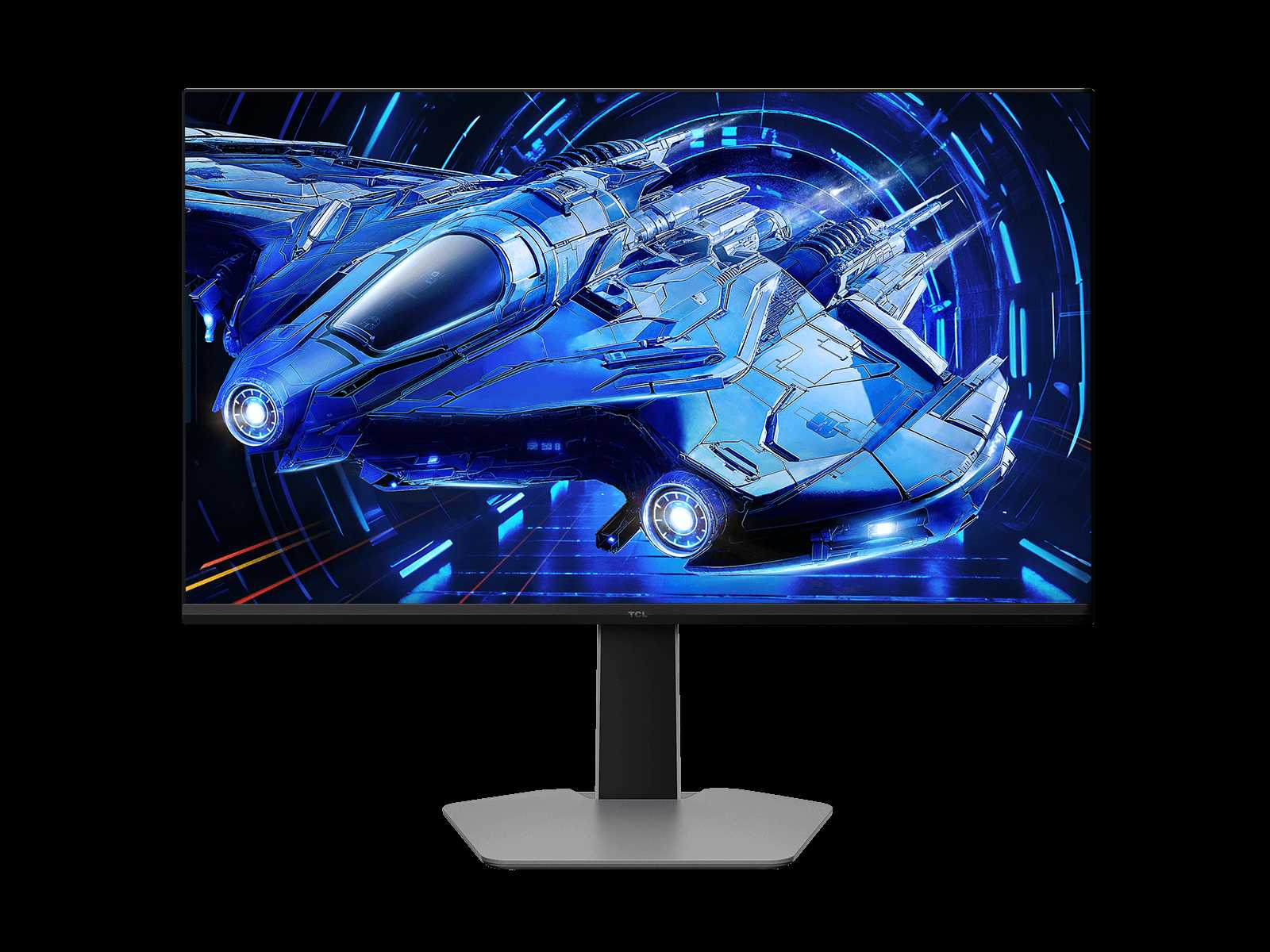
Mini LED monitors typically last between 50,000 to 100,000 hours of use, making them a durable choice for both work and entertainment. Their lifespan depends on factors like usage patterns, build quality, and maintenance, but generally, they are designed to serve for several years without issues. With proper care, these monitors can provide vibrant visuals for an extended period, ensuring great value over time.
Mini LED monitors are gaining popularity because of their impressive brightness, contrast ratios, and color accuracy. If you’re curious about how long you can expect your mini LED display to last, it’s important to understand what influences their longevity. While they are built to last, like any electronic device, their lifespan isn’t indefinite. Typically, a well-maintained mini LED monitor can function well for up to a decade or more, provided it’s kept in good condition. Factors such as brightness settings, usage habits, and environmental conditions all play roles in how long your monitor stays in optimal shape. This article explores what affects the lifespan of mini LED monitors and how you can maximize their durability.

What Is the Lifespan of Mini LED Monitors?
Understanding Mini LED Technology and Its Durability
Mini LED monitors use tiny light-emitting diodes to create vibrant images. These LEDs are smaller than traditional LEDs, allowing for better control of brightness and contrast. Because of their size and design, mini LED screens tend to offer longer life spans compared to older display technologies.
Durability depends on several factors, including the quality of the components and how the monitor is used and maintained. Generally, mini LED monitors are built to last for many years, making them a good investment for both work and entertainment.
Expected Lifespan Range of Mini LED Monitors
Most mini LED monitors have an estimated lifespan of around 50,000 to 100,000 hours. This means in typical use, they can last for approximately 5 to 11 years if used for 8 hours daily.
The actual lifespan can vary based on usage patterns, environmental conditions, and manufacturing quality. High-end models with better components tend to offer longer operational lifespans.
Factors That Affect the Lifespan of Mini LED Monitors
Several factors influence how long a mini LED monitor will last:
- Brightness levels: Higher brightness settings can accelerate component wear.
- Usage duration: Longer daily use reduces overall lifespan.
- Operating environment: Exposure to heat, humidity, or direct sunlight can shorten lifespan.
- Quality of manufacturing: Well-made monitors with high-quality parts tend to last longer.
- Power fluctuations: Sudden surges or unstable power sources can damage internal components.
Maintaining optimal operating conditions can help extend the life of your monitor.
How Brightness Settings Impact Longevity
Running your mini LED monitor at maximum brightness can decrease its lifespan over time. Bright LEDs are under more stress and can experience faster degradation.
Adjusting brightness to suitable levels for your environment not only improves comfort but also preserves the health of the LEDs, resulting in longer device longevity.
Signs of Wear and When to Consider Replacement
Over time, you may notice signs such as decreased brightness, uneven lighting, or flickering. Color accuracy might diminish, or dead pixels could appear.
These indicators suggest that the monitor is nearing the end of its useful life. Replacing it at the right moment ensures optimal viewing experience and prevents further hardware issues.
Maintenance Tips to Extend the Lifespan
Proper care can significantly prolong your mini LED monitor’s life. Regularly cleaning the screen with a soft, lint-free cloth helps prevent dust build-up.
Avoid exposing the monitor to extreme temperatures or moisture. Also, use surge protectors to prevent damage from power fluctuations.
Comparing Mini LED Monitors to Other Display Technologies
Mini LED monitors typically outperform traditional LCDs and OLEDs in lifespan and brightness.
While OLED screens have richer blacks, they tend to have shorter lifespans due to organic material degradation. Standard LCDs may last longer but often lack the brightness and contrast of mini LED models.
Choosing the right monitor depends on your usage and longevity preferences.
Impact of Upgrades and Firmware Updates on Lifespan
Manufacturers often release firmware updates that can enhance performance and fix bugs. These updates can indirectly prolong the monitor’s lifespan by improving stability.
However, hardware-related wear remains tied to the physical components and usage conditions. Keep your monitor updated and well-maintained for the best results.
Future Developments and Expected Improvements in Longevity
Advances in mini LED manufacturing and materials are likely to enhance durability further. Researchers are exploring new ways to improve LED stability and reduce degradation.
As technology improves, future mini LED monitors may last even longer, offering better performance with less maintenance.
Summary of Key Points About Mini LED Monitor Lifespan
– Typical lifespan ranges from 50,000 to 100,000 hours.
– Up to 11 years of use if used for 8 hours daily.
– Environmental factors and usage habits play a significant role.
– Proper maintenance can extend longevity.
– Brightness management and regular updates help preserve the monitor.
Understanding these factors helps you maximize your mini LED monitor’s lifespan.
Related Topics
Choosing a High-Quality Mini LED Monitor
Look for reputable brands and reviews to ensure you get a durable product. Features like good cooling systems and quality LEDs contribute to longer life.
Cost-Benefit Analysis of Mini LED Monitors
While mini LED monitors might cost more upfront, their longevity and superior display quality can save money over time. Consider your usage needs when making a purchase.
Environmental Impact of Display Technologies
Long-lasting monitors reduce electronic waste and energy consumption, making mini LED a more eco-friendly choice compared to shorter-lived options.
By understanding the lifespan of mini LED monitors and following maintenance tips, you can ensure your screen remains vibrant and functional for years to come. Proper care, usage, and choosing quality models make all the difference in enjoying a clear and reliable display throughout its life.
Why THIS New TV Matters! (Mini LED Explained)
Frequently Asked Questions
How does the quality of mini LED panels affect their lifespan?
The durability of mini LED monitors depends heavily on the build quality and the materials used during manufacturing. Higher-quality panels with better components tend to last longer because they can withstand regular use without degrading quickly. Investing in monitors from reputable brands often ensures that the panels are designed to maintain performance over many years, reducing the need for early replacements.
What role does usage intensity play in the longevity of mini LED monitors?
The amount of time you use your mini LED monitor daily directly impacts its lifespan. Constantly displaying bright images or running at maximum brightness levels can accelerate wear and tear on the backlight components. Moderating brightness settings and giving the monitor regular breaks can help extend its operational life, ensuring it remains functional and vibrant for many years.
Are there specific maintenance practices that can prolong the lifespan of mini LED displays?
Routine maintenance, such as keeping the monitor clean and ensuring proper ventilation, can significantly impact its longevity. Avoid exposing the device to extreme temperatures or humidity, and use gentle cleaning methods to prevent damage to delicate components. Proper care minimizes stress on the display and can help maintain optimal performance over an extended period.
What technological improvements influence the lifespan of mini LED monitors?
Advancements in mini LED technology have led to more durable components and better thermal management solutions. These improvements help prevent overheating and reduce the risk of early failure. As manufacturers continue to innovate, future mini LED monitors are likely to feature longer operational lifespans due to improved manufacturing processes and materials.
How does the lifespan of mini LED monitors compare to traditional LED or OLED displays?
Mini LED monitors generally offer a longer lifespan than OLED displays because they are less prone to burn-in and organic material degradation. Compared to traditional LED monitors, mini LED panels provide enhanced brightness and contrast while maintaining durability. Proper usage and maintenance can help these displays last for over 50,000 hours of active use, making them a reliable choice for long-term use.
Final Thoughts
The lifespan of mini LED monitors typically ranges from 30,000 to 50,000 hours, depending on usage and build quality. Proper maintenance can extend their longevity, ensuring optimal performance over time.
What is the lifespan of mini LED monitors? It mainly depends on usage patterns and care, but generally, they last several years before needing replacement. Choosing reputable brands and handling them carefully can maximize their lifespan.



