


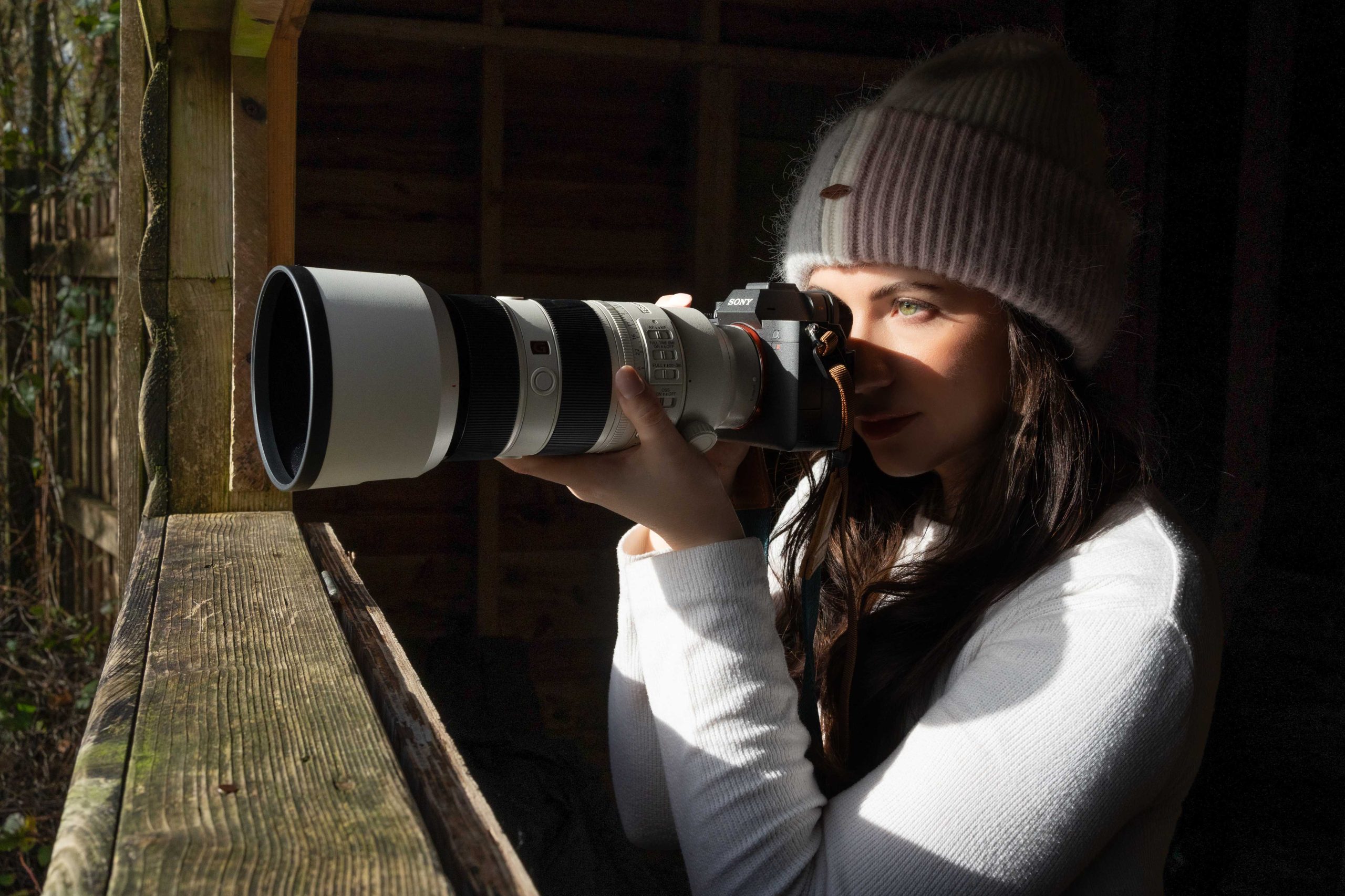
The best resolution for photographers depends on their specific needs, but generally, opting for a higher resolution, such as 24-36 megapixels, offers the flexibility to print large images and crop without losing detail. For most photographers, a balance between resolution and file size ensures quality without overwhelming storage.
In short, a resolution around 24-36 MP is ideal for most professional and enthusiast photographers, providing sharp images suitable for printing and editing. However, the best choice ultimately hinges on your photography style, whether you’re focusing on large prints, online sharing, or quick snapshots.
Choosing the right resolution can feel overwhelming with so many options available. High-resolution cameras capture incredible detail, making them perfect for enlargements and intricate editing, while lower resolutions may be sufficient for everyday use or casual photography. Understanding your specific goals and how you’ll use your images helps determine the ideal resolution. Whether you’re a professional wanting top-notch quality or a hobbyist aiming for convenience, selecting the right resolution ensures your photos look stunning across all formats.

What Resolution Is Best for Photographers
Understanding Resolution in Photography
Resolution describes the amount of detail an image holds, measured in pixels. It determines how clear and sharp a photograph appears, especially when viewed on different screens or printed. Higher resolution images contain more pixels, offering better quality but also requiring more storage space.
Pixels, Megapixels, and Image Quality
Most digital cameras specify resolution using megapixels, with one megapixel equaling one million pixels. For example, a 24-megapixel camera captures images with 6000 pixels in width and 4000 pixels in height. It’s important to recognize that more megapixels generally mean greater potential for detail and larger prints, but other factors also influence final image quality.
Factors That Influence the Ideal Resolution for Photographers
Several elements determine which resolution works best for photographers. These include the intended use of images, printing needs, storage considerations, and the camera’s sensor size. Matching the camera’s resolution to your specific photography goals ensures optimal results.
Low Resolution Cameras: Suitable Uses and Limitations
Entry-level cameras with fewer megapixels are ideal for casual photography, social media sharing, and web use. They are lightweight and affordable but may lack the detail needed for large prints or professional work. These cameras perform well in well-lit situations but can struggle with low-light conditions.
Medium Resolution Cameras: Balancing Quality and Performance
Cameras with 12 to 20 megapixels offer a good balance for most photographers. They deliver sufficient detail for printing up to 16×20 inches and handle online sharing efficiently. These models are popular among hobbyists and semi-professional photographers due to their versatility and manageable file sizes.
High Resolution Cameras: Professional-Grade Options
Professional photographers often choose cameras with 24 megapixels or higher. These cameras excel at capturing fine details, making them perfect for large-format printing, commercial work, and landscape photography. They also provide the flexibility to crop images without sacrificing quality.
Resolution and Photography Genres
Different photography styles demand varying resolutions to achieve the best results. Here’s a quick look at common genres:
- Portrait Photography: Often benefits from medium to high resolutions to capture detail in skin and hair.
- Landscape Photography: Typically requires high resolution for detailed wide scenes and large prints.
- Street Photography: Can use lower or medium resolutions for quick shots and manageable file sizes.
- Commercial Photography: Usually demands high resolution to ensure clarity and detail in advertising materials.
Impact of Sensor Size on Resolution
Sensor size influences the effective resolution and image quality. Larger sensors (like full-frame) generally produce better images with less noise at higher resolutions. Smaller sensors (like crop sensors) might have fewer megapixels but can still produce excellent images suited for many purposes.
Megapixels vs. Image Quality: What Matters More?
While more megapixels can be beneficial, image quality depends on factors like sensor quality, lens sharpness, and processing algorithms. A camera with fewer megapixels but a high-quality sensor can outperform a higher-megapixel camera with inferior optics.
Storage and Processing Considerations
High-resolution images require more storage space and faster processing power. Photographers should ensure their computers and storage solutions can handle large files efficiently. Managing file sizes is crucial for workflow speed and data backup.
Future Trends in Camera Resolution
Recent advances indicate that camera manufacturers continue pushing resolutions higher, with some professional models exceeding 50 megapixels. However, larger files necessitate better hardware, increased storage, and improved processing capabilities. Balancing resolution with usability remains key for most photographers.
Choosing the Right Resolution for Your Needs
To select the ideal resolution, consider your typical projects and end-use. For social media and web images, lower resolutions suffice. For large prints and commercial work, investing in higher megapixel cameras makes sense. Tailor your equipment to match your creative goals and workflow.
Summary and Practical Tips
– Match your camera resolution to your intended output size and application.
– Opt for a resolution that balances image quality with storage and processing capabilities.
– Remember that higher megapixels are not always necessary for every project.
– Use excellent lenses and proper lighting to maximize image clarity regardless of resolution.
– Regularly assess your needs as your photography skills and requirements evolve.
In conclusion, the best resolution for photographers hinges on understanding the specific needs of their work and choosing a camera that offers the right balance of detail, storage, and usability. Whether you’re shooting for social media or creating large-scale art prints, selecting the appropriate resolution helps ensure your images look sharp, vibrant, and professional.
🎥🤔 What Resolution should You Choose?
Frequently Asked Questions
How does image detail and quality benefit from higher resolutions in photography?
Higher resolutions capture more details, resulting in sharper images with richer textures and finer elements. This is especially important for large prints or cropping images without losing quality, ensuring the final output remains clear and professional-looking.
What considerations should photographers make when choosing a resolution for different types of projects?
Photographers should consider the final use of their images, such as online sharing, printing, or commercial applications. For high-quality prints, a higher resolution is essential, whereas lower resolutions may suffice for web use where file sizes and loading times matter more.
How do sensor size and resolution work together to influence image quality?
Sensor size and resolution both impact image quality. Larger sensors combined with high resolutions produce images with better dynamic range and less noise, particularly in low-light settings. Photographers should balance these factors based on their specific needs and camera capabilities.
What are some common resolution standards used by professional photographers?
Professional photographers often work with resolutions ranging from 20 to 50 megapixels, depending on their equipment and project requirements. Medium-format cameras with resolutions above 50 megapixels are common for large-scale commercial work, providing exceptional detail and color accuracy.
How does file size relate to resolution, and how should photographers manage storage for high-resolution images?
Higher resolutions produce larger file sizes, which can quickly consume storage space. Photographers should use appropriate storage solutions and consider compressing images without sacrificing quality. Managing file formats and regularly backing up files also helps maintain an efficient workflow.
Final Thoughts
The best resolution for photographers depends on their specific needs and goals. Higher resolutions offer more detail, ideal for large prints and professional work. However, they also require more storage and processing power. For casual shooting or web use, a moderate resolution often suffices, saving space and resources. Ultimately, choosing the right resolution balances image quality with practical considerations, ensuring you capture stunning images without unnecessary complexity.



