


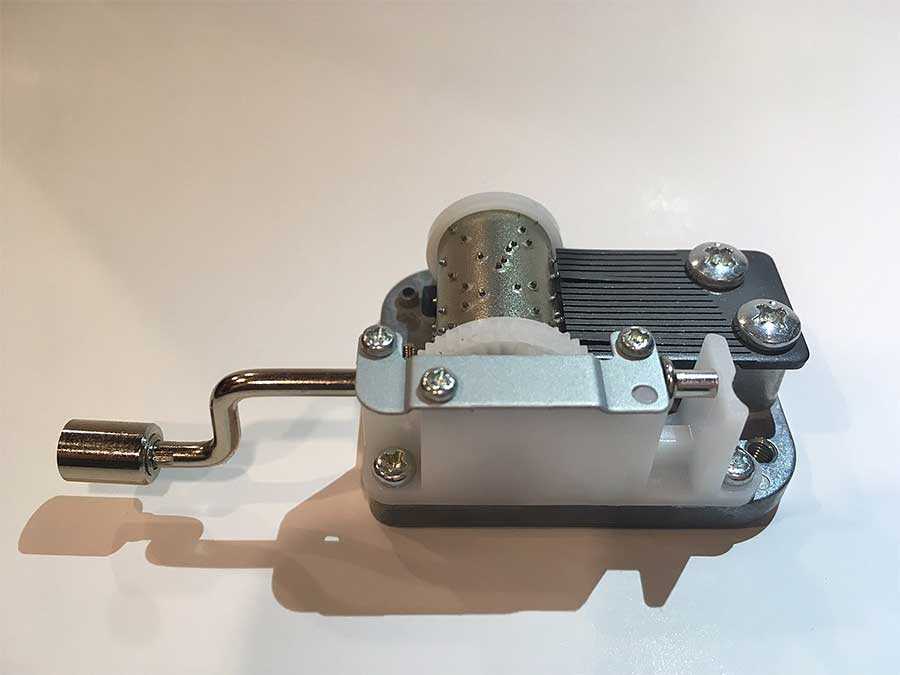
A music box produces a charming, tinkling melody that often feels like a gentle whisper from the past. Its sound is characterized by delicate, rhythmic notes that evoke nostalgia and wonder. When you turn the key or lift the handle, tiny metal cylinders or discs pluck tiny tuned teeth, creating a distinctive, soothing tune that dances softly through the air. This sound is unlike any other, blending simplicity with enchantment, and instantly transporting listeners to a world of innocence and elegance. In essence, a music box makes a light, melodic sound—think of a gentle chime or a soft, tinkling song—that’s both relaxing and magical. Whether playing a lullaby or a classical tune, its sound remains timeless and universally heartwarming.
A music box makes a soft, tinkling melody with delicate notes that seem to dance in the air. Its sound is gentle, graceful, and instantly nostalgic, often reminding us of childhood or special moments. The unique, soothing quality of its music is created by tiny metal components that pluck tuned teeth, producing a charming, repetitive tune that can soothe or delight anyone who listens.
The sound of a music box is captivating and instantly recognizable. It creates a gentle, tinkling melody that feels both relaxing and whimsical. This beautiful sound is produced by small metal parts inside the box, which are plucked to produce harmonious notes. The overall effect is soothing, enchanting, and timeless, making the music box a cherished keepsake for many.

What Sound Does a Music Box Make?
The sound of a music box is one of its most charming features. When it plays, it produces a gentle, whirling melody that evokes feelings of nostalgia and warmth. This sound is distinctive and instantly recognizable, making the music box a treasured keepsake for many people.
The Unique Timbre of Music Box Music
Music boxes produce a soft, delicate tone that feels soothing and calming. The timbre, or tone quality, is defined by the way the metal teeth vibrate to create music. The sound combines simplicity with richness, giving it a nostalgic quality that many find magical.
The Role of the Reeds and Cylinders in Sound Production
The primary components responsible for a music box’s sound are the metal combs and the rotating cylinder or disc. The metal comb has tiny teeth that vibrate when plucked, producing musical notes. The cylinder, which is covered with tiny pins, triggers these teeth in a specific sequence.
How the Metal Comb Creates Musical Notes
The metal comb contains different teeth of varying lengths and thicknesses. Each tooth corresponds to a specific note. When the cylinder’s pins lift or press down on teeth, they vibrate at different frequencies, creating a melody. The size and shape of each tooth determine the pitch produced.
The Function of the Cylinder or Disc
The cylinder, covered with small pins, acts like a musical program. As it rotates, pins bump against the teeth of the comb in a precise order. This action results in a sequence of notes that form a melody. The length of the cylinder and the placement of pins influence the tune played.
Variations in Sound Quality Among Different Music Boxes
Not all music boxes sound the same. Variations in size, materials, and craftsmanship create different tonal qualities. Handcrafted boxes tend to have a warmer, more nuanced tone. Mass-produced ones might sound brighter or more uniform.
The Impact of Material on Sound
Materials like brass, steel, and sometimes even plastic affect the sound quality. Brass and steel tend to produce clearer, brighter sounds, while softer metals may add a mellow tone. The quality of the comb’s teeth directly influences how pure and rich the notes sound.
How Volume and Distance Affect Sound Perception
The volume of a music box’s sound depends on the size of the comb and the force used to pluck the teeth. Larger boxes with bigger components tend to be louder. Additionally, the perceived sound diminishes with distance, so a music box sounds softer the farther you move away.
The Effect of the Environment on the Sound
Room acoustics also influence how a music box sounds. Soft furnishings may absorb some sound, making the melody feel muffled. Hard surfaces reflect sound waves, which can amplify the music’s clarity and brightness.
The Characteristics of the Melodies Produced
Music boxes typically play simple, repetitive tunes. The melodies are often cheerful or nostalgic, like “Twinkle, Twinkle Little Star” or “Silent Night.” Their repetitive nature makes the sound calming and easy to recognize.
How the Speed of Rotation Changes the Sound
The speed at which the cylinder rotates affects the tempo. Turning it faster produces a livelier sound, while slower rotation results in a more relaxed melody. Some modern music boxes have adjustable speed settings to customize the listening experience.
The Role of Winding and Mechanical Motion
Turning the key or winding mechanism powers the music box. Once wound, the internal spring drives the rotation of the cylinder. This mechanical motion is smooth and steady, contributing to the consistent sound quality during playback.
Additional Sound Elements in Vintage and Modern Music Boxes
Vintage music boxes sometimes include additional sounds like chimes or bells, adding layers to the primary melody. Modern versions might integrate electronic enhancements, but the core sound remains a gentle, enchanting tune.
Listening Tips to Enhance the Experience
To truly appreciate a music box’s sound, listen in a quiet environment. Position yourself close enough to hear the full richness of the notes. Gently winding the box slowly can reveal more nuances in the melody.
Related Topics: How Sound Adds to the Charm of Music Boxes
Understanding the sound helps appreciate the craftsmanship behind each music box. The tone, volume, and melody all contribute to the unique charm that makes many collectors and enthusiasts love them. The more you learn about the sound, the more magic you’ll discover in each piece.
From the metallic twang of the comb to the gentle rotation of the cylinder, every element combines to create a sound that continues to inspire wonder. Whether vintage or modern, each music box’s sound tells a story, inviting listeners into a world of melody and memory.
Inside a music box: how it works
Frequently Asked Questions
What kind of sound does a music box produce?
A music box creates a gentle, melodic sound characterized by clear, resonant tones produced by a tuned cylinder or disc with tiny pins. These pins pluck small steel teeth or tines as the cylinder rotates, generating a soothing and harmonious melody that varies depending on the design and tune selected.
How does the material of a music box affect its sound?
The materials used in a music box, such as the metal comb, cylinder, and casing, influence the quality and tone of the sound. High-quality metal components tend to produce brighter, more resonant notes, while older or lower-quality materials might yield softer or less precise sounds. The craftsmanship also plays a significant role in the clarity and richness of the music.
Can the sound of a music box change with different tunes?
Yes, the sound varies depending on the tune set inside the music box. Each melody requires a specific arrangement of pins on the cylinder or disc, which determines the sequence of notes played. Consequently, different tunes produce unique sound patterns, ranging from simple lullabies to intricate compositions.
What influences the volume of a music box’s sound?
The volume depends on the size of the music box, the design of its sound chamber, and the tension of the internal mechanism. Larger boxes with well-designed resonator chambers typically produce louder sounds, while smaller or more compact models emit softer melodies. The condition of the components also affects volume and clarity over time.
Final Thoughts
A music box produces a gentle, melodic sound that soothes the listener. The sound resembles a series of clear, tinkling notes that float softly through the air. Its tone is warm and nostalgic, often evoking feelings of comfort.
When asked what sound does a music box make, the answer is a delicate, repetitive melody played on tiny, tuned metal pins. Its sound creates a calming atmosphere that lingers long after the music stops.



