


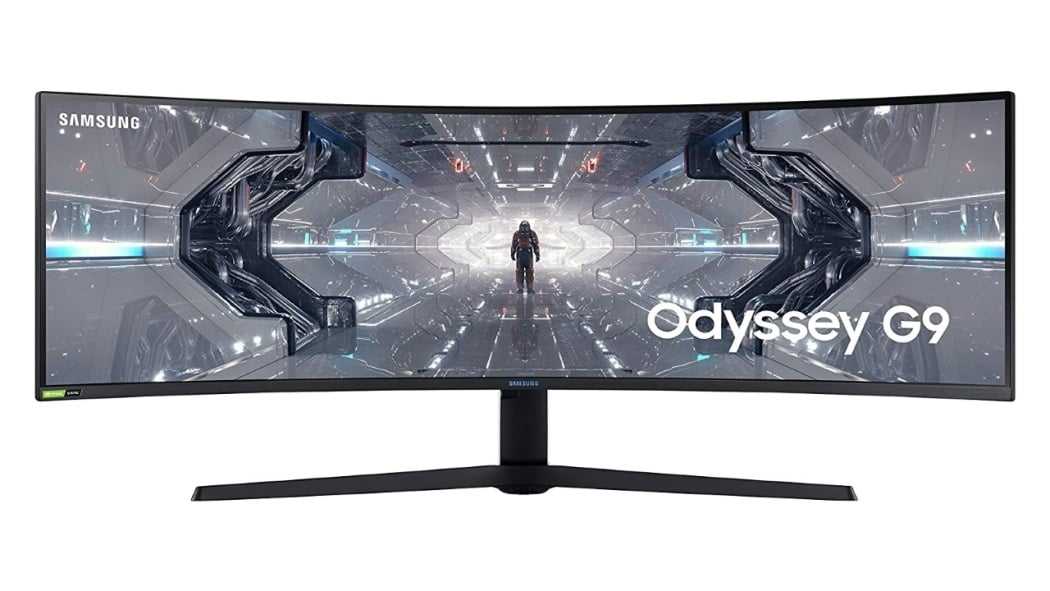
Gaming monitors tend to be pricey because they combine cutting-edge technology with premium features designed to enhance gameplay. From ultra-fast refresh rates to stunning visuals, these monitors are built for an immersive experience, which drives up production costs. Additionally, high-end gaming displays often incorporate specialized hardware and materials to ensure smooth performance and durability, adding to their price tag.
In short, gaming monitors are expensive due to their advanced technology, quality components, and features tailored explicitly for gamers. These elements create a more responsive and visually impressive experience, but they also come with higher manufacturing costs that gamers pay for.
Gaming monitors cost more than regular screens because they are engineered with high-performance hardware, fast refresh rates, low response times, and superior image quality—features that gamers need for competitive and immersive play. The demand for these top-tier specifications, combined with the cost of developing new display technologies, makes gaming monitors a significant investment. This article explores why these advanced features come at a hefty price and what makes gaming monitors stand out compared to standard displays.

Why Are Gaming Monitors Expensive?
Gaming monitors are known for their high prices, but many gamers wonder what makes them so costly. Several factors contribute to the high cost of these displays. Understanding these reasons can help you decide if investing in a gaming monitor is worth it for your gaming needs.
Advanced Technology and Features
One key reason gaming monitors are expensive is the latest technology they incorporate. Features like high refresh rates, low response times, and adaptive sync technologies require sophisticated hardware components. These advancements deliver smoother gameplay and reduce lag, but they also increase production costs.
High Refresh Rates
Many gaming monitors offer refresh rates of 120Hz, 144Hz, or even 240Hz. These rates ensure that images are updated quickly, making fast-paced games look smoother. Creating panels that can sustain such high refresh rates involves complex manufacturing processes, which add to the overall price.
Low Response Times
Response time refers to how fast pixels can change from one color to another. Gaming monitors often boast response times less than 1 millisecond. Achieving such rapid response times requires precise technology and high-quality materials, which come with a higher cost.
Adaptive Sync Technologies
Technologies like G-SYNC and FreeSync help eliminate screen tearing and stuttering during gameplay. Incorporating these features involves licensing fees and specialized hardware, making the monitors more expensive.
Display Quality and Resolution
The clarity and detail of a gaming monitor depend on its display quality. Higher resolution screens provide crisp images, but they require more advanced panels. The quality of these screens impacts the price significantly.
4K and Ultrawide Resolutions
4K monitors offer four times the resolution of Full HD, providing sharper images. Ultrawide screens give a broader field of view, enhancing immersion. Producing such high-resolution displays involves complex fabrication and expensive materials, driving up costs.
Panel Types
TN, IPS, and OLED panels each offer different benefits and price points. IPS panels, known for better color accuracy and wider viewing angles, tend to be more expensive than TN panels. OLED screens, with their superior contrast and color depth, are even pricier.
Build Quality and Design
A gaming monitor’s physical construction adds to its price. Premium materials, sturdy stands, and sleek designs require precision manufacturing. Additionally, features like adjustable stands and customizable aesthetics increase both cost and appeal.
Materials and Durability
High-quality metals and plastics ensure longevity and a premium feel. These materials are more costly than basic components, affecting the overall price of the monitor.
Design Features
Ergonomic stands, bezel-less designs, and customizable lighting options enhance user experience but also raise production expenses. These features are common in high-end gaming monitors and contribute to their higher prices.
Additional Technologies and Enhancements
Many gaming monitors include extras that improve gameplay but also increase costs. These enhancements are designed to give gamers an edge and a more immersive experience.
HDR Support
High Dynamic Range (HDR) offers better contrast and vibrant colors. Producing HDR-compatible screens requires advanced backlighting and precise calibration, which add to manufacturing costs.
Built-in Speakers and Ports
While not essential, added features like high-quality speakers, multiple HDMI, DisplayPort, and USB ports improve usability. These components are extra costs that reflect in the final price.
Supply Chain and Manufacturing Costs
Creating gaming monitors involves sourcing high-quality components, which can be expensive. Manufacturing in countries with higher labor costs also impacts the retail price.
Component Sourcing
Suppliers of advanced panels, processors, and other critical parts charge premium prices for top-tier materials. These costs are reflected in the retail price of the monitors.
Manufacturing and Logistics
Efficient manufacturing processes are crucial, but complex components require careful assembly and quality control. Shipping and logistics further add expenses, especially for global distribution.
Market Demand and Brand Reputation
High-end gaming monitors are targeted at enthusiasts willing to pay extra for the best experience. Brands with strong reputations and loyal customers can charge premium prices for their products.
Customer Expectations
Gamers expect state-of-the-art features and durability. Meeting these demands drives manufacturers to develop premium products, which come with higher price tags.
Brand Premium
Leading brands like ASUS, Alienware, and Samsung often set higher prices due to their reputation for quality and innovation. Consumers are willing to pay more for trusted brands.
Research and Development Costs
Developing cutting-edge gaming monitors involves significant investment in research. These costs are factored into the final retail price, especially for models with new technologies.
Innovation and Patents
Investments in new display technologies and patents drive up development costs. These innovations can benefit gamers but also contribute to higher prices.
Quality Control and Testing
Rigorous testing ensures monitors meet high standards. Although essential, these procedures add to manufacturing expenses, thus increasing retail prices.
The high cost of gaming monitors results from a blend of advanced technology, superior display quality, premium build materials, additional features, and manufacturing costs. Gamers seeking the best performance and visual experience are often willing to pay a premium. As technology continues to improve, prices might decrease over time, making high-quality gaming monitors more accessible. For now, understanding these factors helps buyers appreciate what they are investing in and why gaming monitors command such high prices.
Choosing the Right Gaming Monitor Type
Frequently Asked Questions
What specific components contribute to the high cost of gaming monitors?
Gaming monitors often feature advanced components such as high-refresh-rate panels, rapid response times, and specialized graphics processing technology. These elements require precise manufacturing and high-quality materials, which drive up production costs. Additionally, features like adaptive sync technologies and low input lag capabilities demand sophisticated engineering, further increasing the monitor’s price.
How does the display technology in gaming monitors impact their price?
The use of cutting-edge display technologies, such as OLED or quantum dot panels, enhances image quality with better contrast, color accuracy, and deeper blacks. These technologies involve complex manufacturing processes and expensive materials, making monitors that incorporate them more costly. High-resolution screens, like 4K or ultrawide displays, also add to the price due to their increased pixel density and processing requirements.
In what ways do additional features add to the cost of gaming monitors?
Gaming monitors equipped with features like customizable RGB lighting, programmable buttons, built-in speakers, and multiple connectivity options tend to cost more. These extras enhance the gaming experience but require extra hardware and design considerations, leading to higher manufacturing expenses. Monitors with ergonomic designs, tear-free technology, and higher build quality also contribute to overall costs.
Final Thoughts
Gaming monitors tend to be expensive because they incorporate advanced technology like high-refresh-rate screens and low latency responses, which require specialized components. Manufacturers invest in superior build quality and innovative features to enhance gamers’ experiences. These factors drive up production costs, making such monitors more costly. Ultimately, the expense reflects the combination of cutting-edge performance and durable design that gamers demand. Why are gaming monitors expensive? The answer lies in the sophisticated technology and premium features that justify the higher price tags.



