


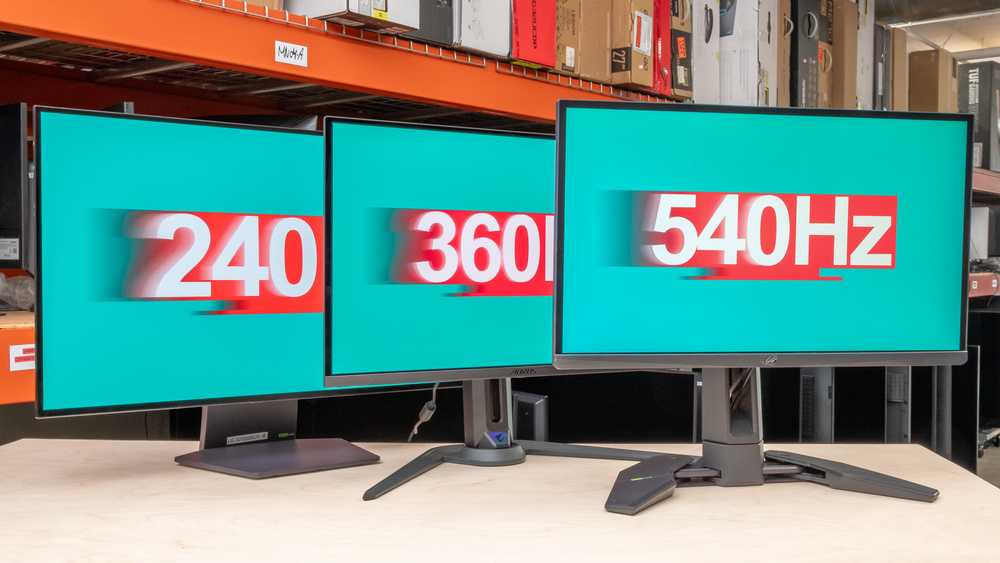
Gamers flock to higher refresh rate monitors because they want every flicker and movement to be smooth and responsive. A faster screen refresh rate makes gameplay feel more natural, giving gamers a competitive edge and a more immersive experience. Unlike standard screens, higher refresh rates reduce motion blur and lag, making fast-paced action easier to follow and react to. This leads to better aim, quicker responses, and an overall more enjoyable gaming session. Simply put, the more frames per second a monitor can display, the more fluid and seamless the gameplay appears, providing a significant advantage in competitive environments. Whether you’re into first-person shooters, racing games, or action-packed adventures, high refresh rate monitors can transform your gaming experience by delivering sharper visuals and smoother movements.

Why do gamers prefer higher refresh rate monitors
Understanding Refresh Rate and Its Importance
Higher refresh rates mean the monitor updates the image more often each second. This results in smoother visuals, making gameplay look more fluid. Games feel more responsive, which can give players a slight edge over others using standard refresh rates.
What Is Refresh Rate?
Refresh rate is measured in Hertz (Hz). It tells you how many times a monitor refreshes its display per second. Common refresh rates are 60Hz, 120Hz, 144Hz, 165Hz, and even 240Hz or higher.
Why Gamers Choose Higher Refresh Rates
Gamers prefer monitors with higher refresh rates because they notice the difference in motion clarity. Fast-paced games like first-person shooters or racing games benefit greatly from smoother visuals, helping players react quicker.
The Impact of Higher Refresh Rate on Gaming Experience
A higher refresh rate makes movements look more natural. It reduces motion blur and lag, making fast actions appear sharper. This enhances overall gameplay experience by providing a clearer view of what’s happening on the screen.
Enhanced Responsiveness and Reduced Motion Blur
With higher refresh rates, images update more frequently. This means that fast-moving objects appear clearer and less blurry. Players can track moving targets more easily, improving aiming and timing.
Quicker Reaction Times
In fast-paced games, split-second decisions are crucial. Higher refresh rates allow players to see game events sooner, giving them a competitive advantage. This reduces the delay between on-screen action and player response.
Connection Between Refresh Rate and Frames Per Second (FPS)
Frames per second (FPS) is how many frames a game renders each second. To maximize a monitor’s potential, FPS should match or be close to the monitor’s refresh rate. For example, a 144Hz monitor performs best when the game runs at around 144 FPS.
How Refresh Rate and FPS Work Together
If FPS exceeds the monitor’s refresh rate, the monitor can’t display every frame. This can cause screen tearing or stuttering. Conversely, if FPS is lower than the monitor’s refresh rate, the gameplay may feel choppy. Ideally, gamers aim to synchronize FPS and refresh rate for smooth performance.
Gamer Preferences for High Refresh Rates
Many gamers now prioritize high refresh rate monitors because they want the most responsive and smooth gaming experience. Competitive players especially rely on high refresh rates to stay ahead in multiplayer battles.
Competitive Gaming and High Refresh Rate Monitors
In professional eSports, every millisecond matters. Players train with high-refresh-rate monitors because they provide quicker visual feedback. This can make the difference between winning and losing.
Advantages for Esports Players
High refresh rate monitors help athletes spot movement faster and react more swiftly. They reduce input lag, boosting precision during critical moments. This advantage is why top-tier gamers choose 240Hz or higher monitors.
Best Monitors for Gaming: Comparing Refresh Rates
Choosing the right monitor depends on the game type and the gamer’s preferences. Here’s a simple comparison:
| Refresh Rate | Ideal For | Advantages |
|---|---|---|
| 60Hz | Casual gaming, watching videos | Lower cost, decent for basic use |
| 120Hz | Intermediate gamers, casual competitive gaming | Smoother gameplay, better responsiveness |
| 144Hz | Serious gamers, competitive gaming | Good balance of price and performance |
| 165Hz | High-level players, fast-paced shooters | Very smooth visuals, minimal lag |
| 240Hz or higher | Professional eSports, extreme gaming | Minimal latency, unmatched fluidity |
The Evolution of Refresh Rates in Gaming Monitors
Initially, 60Hz monitors were standard. As gaming grew more competitive, manufacturers introduced 120Hz and 144Hz options. Today, monitors with 240Hz and even 360Hz are available for top-tier gamers.
Technological Advances Brought by Higher Refresh Rates
Higher refresh rates have driven improvements in graphics cards and processing power. They also encouraged the development of adaptive sync technology, such as G-Sync and FreeSync, which help eliminate screen tearing.
Role of Adaptive Sync Technologies
Adaptive sync coordinates the refresh rate with FPS, creating smoother gameplay. This synergy is especially important for gamers with variable FPS, ensuring no tearing or stuttering occur during play.
How Higher Refresh Rate Monitors Affect Hardware Needs
To fully experience high refresh rates, gamers need powerful graphics cards that can produce high FPS. A weaker GPU might limit the benefits of a 144Hz or 240Hz monitor.
Compatibility and Requirements
To enjoy the advantages of high refresh rate monitors, gamers should look for compatible hardware. Modern GPUs like NVIDIA’s GeForce RTX series or AMD’s Radeon RX series are well-suited.
Price Range and Value of High Refresh Rate Monitors
High refresh rate monitors cost more but offer better gaming experiences. Prices range from affordable options under $300 to premium models over $1000. Choosing the right monitor depends on budget and gaming needs.
Additional Features to Consider
Other features that complement high refresh rates include low input lag, excellent color accuracy, and good response times. These elements further improve gameplay clarity.
Design and Ergonomics
Consider monitors with adjustable stands and low blue light features to reduce eye strain during long gaming sessions.
Summary of Benefits for Gamers
To sum up, higher refresh rates produce smoother visuals, faster reactions, and less input lag. They significantly improve the overall gaming experience, especially in fast-paced and competitive games.
Final Thoughts on Why Gamers Favor Higher Refresh Rate Monitors
Choosing a higher refresh rate monitor offers a noticeable upgrade over standard displays. It enhances responsiveness, clarity, and competitiveness, making it a worthwhile investment for serious gamers.
The move towards higher refresh rates in gaming continues to grow as technology advances and gamers seek better performance. Whether for casual play or professional esports, these monitors help players perform at their best.
FPS VS Refresh Rate
Frequently Asked Questions
How does a higher refresh rate enhance gameplay responsiveness?
Higher refresh rates allow monitors to display more frames per second, reducing the delay between a game’s input and what appears on the screen. This results in snappier visuals and more immediate feedback, making gameplay feel more responsive and precise. Gamers can react faster to in-game events, gaining an advantage during fast-paced scenarios.
What impact does a higher refresh rate have on visual fluidity during fast movements?
With increased refresh rates, movements on the screen appear smoother and less choppy, especially during rapid actions like shooting or driving. This visual fluidity helps players track fast-moving objects better, reducing motion blur and making on-screen action clearer, which can improve overall gameplay experience.
Why do competitive gamers prefer monitors with higher refresh rates?
Competitive gamers seek every possible edge to improve their performance. Higher refresh rates minimize input delay and provide a smoother visual experience, allowing them to respond quicker to opponents’ actions. This precision can make a significant difference in fast multiplayer environments where split-second decisions matter most.
How does a higher refresh rate affect eye strain during long gaming sessions?
Monitors with higher refresh rates reduce flickering and provide smoother visuals, which can lessen eye fatigue over extended periods of gameplay. When visuals are steady and fluid, players experience less strain and discomfort, enabling them to enjoy longer gaming sessions without feeling fatigued.
Can a higher refresh rate improve multiplayer online gaming experiences?
Absolutely. Higher refresh rates deliver more consistent and fluid visuals, enabling players to perceive in-game events more accurately. This clarity helps in identifying opponents’ movements more swiftly and reacting promptly, leading to a more competitive edge in multiplayer scenarios.
Final Thoughts
Gamers prefer higher refresh rate monitors because they provide smoother gameplay and reduce motion blur. This clarity allows players to react faster and make more precise movements. The quick response times create a competitive edge in fast-paced games.
Higher refresh rates also minimize input lag, making the experience more responsive. Players enjoy a more immersive and enjoyable gaming session with these monitors.
In conclusion, why do gamers prefer higher refresh rate monitors? They offer superior clarity, responsiveness, and competitive advantage, making gameplay more engaging and efficient.



