


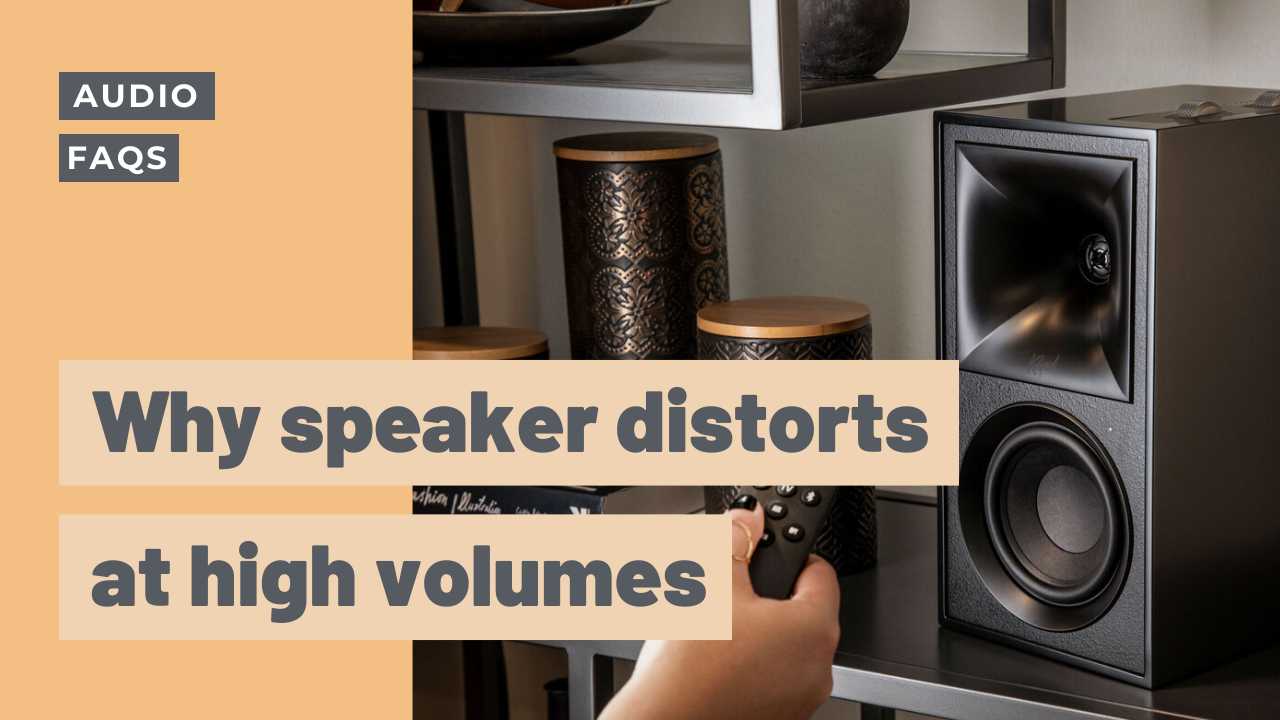
A sound box distorting at full volume can be frustrating, disrupting your listening experience when you want to crank up the music. The main reason for this distortion is that the speakers are being pushed beyond their power limits, causing the audio to become muddled and unclear. When you turn up the volume too high, the internal components struggle to handle the increased energy, leading to distortion. This can also be caused by poor quality components, damaged speakers, or inadequate amplification. To fix this, ensure you’re not exceeding the recommended volume, check for any damage, and consider upgrading to a speaker with better capacity. Understanding why your sound box distorts helps you enjoy clear, powerful sound without damaging your device.
Sound boxes distort at full volume because they are pushed beyond their designed power capacity, causing internal components to struggle and produce unclear sound. Overdriving the speakers, poor quality parts, or damage can also contribute. Properly managing volume and maintaining your device can prevent distortion and extend its lifespan.
If your sound box distorts at full volume, it’s usually because the speakers are being overpowered or are damaged, which causes an imbalance in sound quality. This issue can be mitigated by keeping the volume within recommended levels, checking for damage, or upgrading to a more robust system. Recognizing these cause-and-effect relationships helps ensure you get the best sound without risking damage.

Why Does Sound Box Distort at Full Volume
Understanding Sound Distortion
Sound distortion occurs when the sound produced by your sound box loses clarity or becomes muffled as volume increases. This happens because the speakers are pushed beyond their designed capacity. When speakers cannot handle the volume, they start to produce uneven or fuzzy sounds.
How Speakers Work
Speakers convert electrical signals into sound waves that we hear. These signals drive a diaphragm that moves back and forth, creating sound. To produce loud sounds, the speaker needs to move more vigorously, which can sometimes lead to distortion if the components can’t keep up.
Why Do Sound Boxes Distort at Full Volume?
Distortion at full volume mainly happens because of limitations within the speaker’s components. When pushed to the maximum, the speaker’s materials and design might not support the high energy levels. This overload causes the speaker to produce distorted sounds instead of clear audio.
Overloading the Speaker Components
The most common reason for distortion is overloading the speaker’s internal parts, especially the cone and voice coil. Excessive power causes the cone to move too much, leading to a loss of control and resulting in fuzzy or crackling sounds. This overexertion can damage the speaker if sustained over time.
Speaker Size and Power Handling
Larger speakers generally handle higher power levels better, but they also require proper amplification. If a small speaker is used with a powerful amplifier, it may be overwhelmed at high volumes. Matching the power output of your sound system with the speaker’s capacity is crucial to prevent distortion.
Clipping and Distortion
Clipping happens when the amplifier reaches its maximum output and can no longer accurately reproduce the signal. This causes the sound to become distorted, especially at high volumes. Clipping is a common culprit in sound box distortion when volume is turned all the way up.
Role of the Amplifier in Sound Distortion
The amplifier boosts the audio signal sent to the speakers. If the amplifier is too powerful for the speakers, it can push them beyond their limit. Using an incompatible or low-quality amplifier increases risk of distortion at high volume levels.
Amplifier Quality and Settings
A high-quality amplifier with proper settings ensures clean power delivery. Incorrectly configured amplifiers can introduce additional distortion, even if the speakers are capable of handling high volume. Adjusting gain and volume controls correctly helps prevent this issue.
Impact of Overdriving the Amplifier
Overdriving the amplifier causes it to produce a distorted, clipped signal. This, in turn, pushes the speakers too hard. Always ensure your amplifier matches your speaker’s power specifications and avoid running it at maximum volume constantly.
Speaker Damage and Ageing
Older or damaged speakers are more prone to distortion when volume is increased. Components like the cone, surround, or voice coil may degrade over time, reducing their ability to handle high power. Regular maintenance and replacing worn parts can help reduce distortion.
Signs of Speaker Damage
If your sound box produces crackling, buzzing, or fuzzy sounds even at moderate volume, it might have damaged components. Persistent distortion at all volume levels indicates that the speaker may need repair or replacement.
Effects of Ageing on Sound Quality
Speakers naturally degrade with use, especially if exposed to high volume often. The materials become brittle or lose their flexibility, making distortion more likely when pushed at full volume.
Design and Build Quality of Sound Boxes
The quality of the internal design impacts how well a sound box handles high volumes. Well-built speakers with quality materials and engineering are less likely to distort when volumes are turned up.
Material Choices
High-quality materials like treated paper cones, rubber surrounds, and sturdy voice coils help speakers withstand high power. Cheaper materials tend to deteriorate faster, leading to earlier distortion.
Enclosure Design
The enclosure or cabinet plays a significant role in sound quality. Properly designed enclosures prevent sound waves from canceling each other out and improve overall clarity at high volume levels.
Frequency Response and Distortion
Every speaker has a specific range of frequencies it can reproduce accurately. Pushing a speaker beyond its frequency response limits can cause distortion, especially at high volumes.
Low and High Frequencies
Lows and highs require different speaker components. When volume increases, some speakers struggle to produce these sounds cleanly, resulting in distortion. Ensuring your sound box has a balanced frequency response helps maintain sound quality at all levels.
Impact of Bass and Treble Boosts
Boosting bass or treble can cause a speaker to distort if not supported by appropriate hardware. Excessive equalization increases the load on the speaker, leading to fuzzy or crackling sounds at high volumes.
Environmental Factors and Setup
Placement and environment influence how well a sound box performs at high volumes. Improper setup or environment can contribute to distortion.
Room Size and Acoustics
Large rooms or areas with reflective surfaces can cause sound waves to overlap, creating distortion or muddiness. Proper positioning and acoustic treatment improve clarity at higher volumes.
Speaker Placement
Placing speakers too close to walls or corners amplifies certain frequencies and can lead to distortion. Positioning speakers correctly ensures a balanced sound and prevents overload.
Preventing Distortion in Your Sound Box
Maintaining your sound system helps prevent distortion. Simple practices like avoiding max volume use, proper setup, and regular maintenance prolong the lifespan and sound quality.
Use the Correct Power Settings
Always match your amplifier’s output with your speaker’s power handling capacity. Avoid pushing your system to maximum volume unless it’s designed for it.
Keep the Volume Moderate
Listening at moderate levels reduces strain on components. Reserve full volume for brief moments or specific situations to avoid damage and distortion.
Regular Maintenance and Inspection
Check for visible damage, loose connections, or worn parts regularly. Replace or repair damaged components promptly to maintain sound clarity.
Upgrade When Necessary
If distortion persists even at moderate volumes, consider upgrading your speakers or amplifier. Better hardware often handles high volumes more cleanly.
Understanding why sound boxes distort at full volume involves analyzing their components, design, and environment. Pushing speakers beyond their limits causes internal overloads leading to fuzzy sounds and potential damage. Matching the power capacity of your system, maintaining it properly, and avoiding excessive volume help ensure clear sound quality and longevity. Paying attention to these factors allows you to enjoy your music without sacrificing sound clarity, even at higher volumes.
Why Do My Speakers Sound Bad at High Volume? | Car Audio Q & A
Frequently Asked Questions
What causes the distortion when increasing the volume on a sound box?
Distortion occurs when the speakers are pushed beyond their power handling capacity. As the volume increases, the audio signal becomes too intense for the internal components to handle properly, resulting in a distorted sound. This can happen if the amplifier is too powerful or if the speakers are not designed to handle high volumes.
How does the speaker’s power rating influence sound quality at high volumes?
The speaker’s power rating indicates how much energy it can safely handle. If you set the volume beyond this limit, the internal components can become overwhelmed, leading to clipping and distortion. Ensuring your speaker’s power rating matches your usage helps maintain clarity even at higher volumes.
Can poor quality components contribute to sound distortion at maximum volume?
Yes, lower-quality components often lack the durability to sustain high-volume output without distorting. Cheap materials may not handle the heat and stress during loud playback, causing the sound to become unclear and distorted as the system struggles to operate efficiently.
Does the design of the enclosure affect how sound box distortion occurs at high volume?
The design and construction of the enclosure influence how sound waves are contained and projected. An improperly sealed or poorly designed enclosure can cause vibrations and resonances at high volumes, leading to distortion. Properly designed enclosures help evenly distribute sound and reduce unwanted distortions.
How can I prevent my sound box from distorting when I turn up the volume?
To avoid distortion, stay within the recommended volume range specified by the manufacturer. Use amplifiers that match the speaker’s power capacity and check for any loose connections or damages. Additionally, avoid playing audio at maximum volume for extended periods and consider upgrading to speakers designed for high-volume output if needed.
Final Thoughts
Sound box distortion at full volume occurs mainly due to speaker overload. When volume rises, the speakers push beyond their capacity, causing internal distortion. Poor quality components or damaged parts can also contribute to this issue.
Wiring issues and inadequate power supply may worsen the problem, making the sound less clear. Using the device within its limits prevents damage and maintains audio quality.
In conclusion, why does sound box distort at full volume? Because excessive power and compromised components strain the system, resulting in distortion. Staying mindful of volume levels preserves sound clarity and device longevity.



