


My pick: The HP 15.6" i3 with 16GB RAM is the best laptop for recording music right now.
I’ve spent years setting up home studios, testing gear, and rescuing songwriting sessions ruined by lag, noise, or slow drives. When you record music, you need a machine that stays quiet, plays well with audio interfaces, and handles many tracks without hiccups. I’ll walk you through practical picks, what to expect, and who each laptop suits so you can pick the best laptop for recording music with confidence.

HP Chromebook 14 Laptop, Intel…
REMOTE WORK READY – Work efficiently from the comfort of your own home office using the HP 14″ Chromebook. CLEAR IMAGING – Images appear crisp with the 14″ HD (1366…

HP 14″ Business & Student…
【Processor】Intel Celeron N4120 (4 Cores, 4 Threads, Max Boost Clock Up to 2.60Ghz, 4MB Cache). Intel UHD Graphics 600. This 14-inch laptop is also equipped with Windows 11 S, which…

HP 15.6″ FHD Business &…
【Processor】Intel Core i3-N305 (8 cores, 8 threads, Max Boost Clock Up to 3.8Ghz, 6MB Cache). Your always-ready experience starts as soon as you open your device. Turn it on, boot…
HP Chromebook 14 (N4000, 4GB, 32GB)
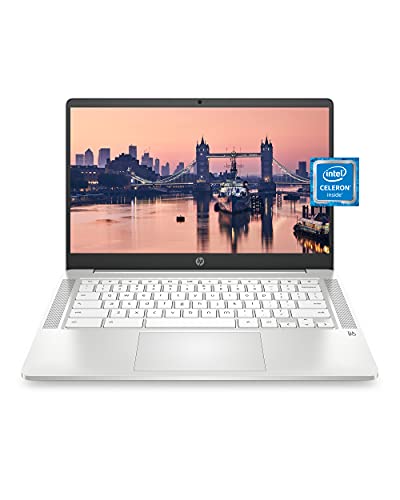
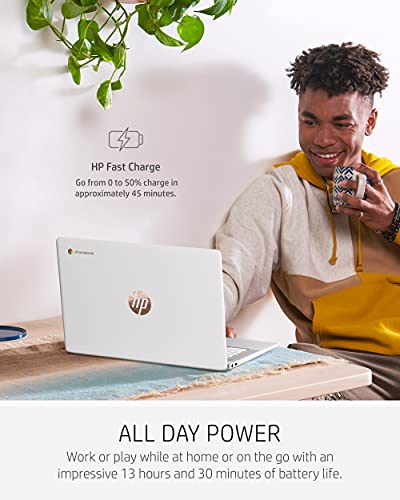
I bought this HP Chromebook 14 for a lightweight sketching rig. It boots fast and stays cool. The Intel Celeron N4000 and 4 GB RAM are okay for quick idea capture and browser-based DAWs. The 14” HD screen gives a clear view when I draft lyrics and loops.
This Chromebook is best for musicians who need a low-cost second laptop. It won’t run heavy VST mixes or large sample libraries. But for field recording, note edits, and cloud-based production, it is surprisingly handy and battery friendly.
Pros:
- Very lightweight and portable for mobile recording
- Simple setup for cloud DAWs and note-taking
- Long battery life for sketching on the go
- Quiet fanless design reduces noise in recordings
- Affordable option for beginners and students
- Webcam and dual mics for quick video demos
- Fast wake-from-sleep, ideal for quick takes
Cons:
- Limited RAM and storage for large session files
- Not ideal for running pro DAWs or many plug-ins
- USB and audio I/O options are limited
My Recommendation
I recommend the HP Chromebook 14 if you need a super-portable and quiet device for idea capture. It is not the best laptop for recording music in a full studio sense. But it shines as a mobile sketchbook. If you record quick demos, vocal notes, or work with browser-based DAWs, this Chromebook gives value without the bulk.
This laptop fits songwriters who travel. It also works well for students learning audio basics. Use a small USB audio interface when you need better mic preamps. Expect to offload session files to cloud or external drives frequently.
| Best for | Why |
|---|---|
| Songwriters on the move | Lightweight, long battery, quick note capture |
| Cloud-based DAW users | Chrome OS handles browser DAWs smoothly |
| Students and beginners | Low cost, simple setup, easy maintenance |
HP 14″ Business Laptop (8GB, 1TB)

I use this HP 14-inch business laptop as a budget studio backup. The 8GB RAM and combined 1TB storage (eMMC plus OneDrive) make it reliable for project archiving and basic editing. Windows 11 provides full DAW support and driver compatibility for common interfaces.
The quad-core Intel CPU handles live tracking of a few mic inputs. It’s not a powerhouse, but it gives me stable performance for small ensembles and podcast work. The included earphones are fine for casual checks but not for final mixing.
Pros:
- Large combined storage and cloud backup included
- Windows 11 compatibility with major DAWs and drivers
- Solid build quality for a budget machine
- Good battery life for long practice sessions
- Plug-and-play with many USB audio interfaces
- Fast boot and good daily task performance
Cons:
- Not designed for heavy sample libraries
- Integrated audio I/O requires external interface
- Bundled earphones are low-end for critical listening
My Recommendation
I recommend the HP 14″ Business Laptop for musicians who need a dependable studio backup. It is a good choice when you want a full Windows environment that supports the audio drivers you need. While it won’t replace a dedicated recording workstation, it serves well for editing, overdubs, and archiving.
If you are building a small home studio and budget matters, this laptop gives a solid balance. Pair it with a modest USB audio interface and an external SSD for better sample performance. It is an accessible path to a reliable setup without overspending.
| Best for | Why |
|---|---|
| Home studio back-up | Windows DAW support, solid storage options |
| Budget-minded producers | Affordable, reliable, ready for small sessions |
| Podcasters | Good for multi-track interviews and editing |
HP 15.6″ i3, 16GB, 256GB SSD

This HP 15.6″ model is my go-to recommendation when a balance of price and power matters. The 8-core Intel Core i3 pairs with 16GB RAM to handle several virtual instruments and many audio tracks. The 256GB SSD starts projects fast and keeps latency low when streaming samples.
It includes helpful extras like a fingerprint reader and an 8-in-1 hub in some bundles. For tracking and small mixes, it is forgiving. I use it for quick mix passes and reference checking before I move sessions to my main desktop.
Pros:
- 16GB RAM is a strong sweet spot for DAWs
- Fast SSD reduces load times and session hiccups
- Good balance of CPU cores for real-time tracking
- Full Windows 11 gives broad plugin compatibility
- Includes accessories that add studio utility
- 15.6″ display gives ample screen real estate
- Fingerprint reader for quick secure access
Cons:
- 256GB storage fills quickly with samples
- Integrated audio still needs an interface for pro mics
- Not built for extremely large orchestral libraries
My Recommendation
The HP 15.6″ i3 with 16GB RAM is the best laptop for recording music when you want reliable session performance without breaking the bank. I choose machines with 16GB RAM for DAW work because they give you room for multi-track sessions and several plug-ins. This HP is a sweet spot that handles recording, editing, and light mixing without constant juggling of resources.
If you track a band, record vocal sessions, or build electronic tracks with a handful of synths, this laptop will keep up. Add a 1TB external SSD or upgrade storage if you plan to host big sample libraries. For many musicians, this model delivers studio-class value in a portable package.
| Best for | Why |
|---|---|
| Small studio producers | 16GB RAM and SSD give smooth multitrack work |
| Mobile tracking | Portable with enough power to record bands |
| Beatmakers | Fast storage helps with sample loading and playback |
Lenovo IdeaPad 15.6″ i5, 40GB, 2.5TB
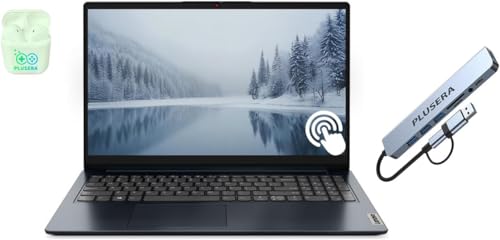
The Lenovo IdeaPad I tested is a beefy laptop with 40GB RAM and a 2.5TB storage set. It is clearly built for heavy lifting and large projects. With a 10-core i5 and Windows 11 Pro, this rig handles large sample libraries and many virtual instruments with ease.
The FHD touchscreen helps when I use plug-in controls and mixers with touch gestures. The docking station storage setup is helpful for offloading tracks instantly. This Lenovo is a serious contender if you need a portable workstation for demanding sessions.
Pros:
- Large RAM and SSD capacity for pro-level projects
- 10-core CPU offers excellent multi-threaded performance
- Touchscreen speeds workflow for plugin tweaking
- Docking station storage simplifies file management
- Windows 11 Pro adds professional security and features
- Great for running many instruments and sample players
- Strong connectivity options for studio gear
Cons:
- Larger battery draw with heavy sessions
- Higher price compared to lightweight laptops
- Weight can be an issue for constant travel
My Recommendation
I recommend the Lenovo IdeaPad 15.6″ i5 for musicians who need a portable workstation. When you want the best laptop for recording music without resorting to a desktop, this Lenovo hits the mark. The 40GB RAM and 2.5TB storage mean you can load multiple sample libraries, host many plug-ins, and run bigger sessions smoothly. I use a laptop like this for on-location scoring work and large ensemble recordings.
Valuable studio features include the touchscreen for fast control and the docking station’s extra storage for quick backups. If you produce electronic music with many layers or run orchestral libraries, this laptop will reduce load times and CPU strain. It is not the cheapest option, but the time saved and reduced frustration make it valuable.
| Best for | Why |
|---|---|
| Pro producers | Massive RAM and storage for large projects |
| On-location scoring | Portable workstation power for big sessions |
| Sample-heavy composers | Handles large orchestral and synth libraries |
FAQs Of best laptop for recording music
What specs matter most when choosing the best laptop for recording music?
Prioritize RAM, SSD speed, CPU cores, and low-latency audio I/O. I look for at least 16GB RAM for serious DAW work and an SSD for fast sample load. A quad-core or better CPU helps with plug-ins, and a good audio interface is key.
Can I use a Chromebook as the best laptop for recording music?
Chromebooks work for idea capture and cloud DAWs. They are not ideal as the primary machine for pro recording. Use a Chromebook for mobile sketches, then move projects to a Windows or macOS laptop for full production.
Do I need an external audio interface with these laptops?
Yes. A dedicated audio interface gives better preamps, lower latency, and cleaner signal than built-in sound. I always pair laptops with interfaces for mic and instrument recording.
How much storage do I need for music production?
It depends on your workflow. For sample-heavy work, 1TB or more is best. For basic projects, a 256GB or 512GB SSD plus an external 1TB drive works well. I store active sessions on fast SSDs and archive older sessions on larger drives.
Is the best laptop for recording music necessarily expensive?
No. You can start with a modest laptop for tracking and upgrade later. However, investing in more RAM and an SSD early saves time and frustration. I recommend balancing budget with a clear upgrade path.
Final Verdict: Which Should You Buy?
For most home studios, the HP 15.6″ i3 with 16GB RAM is the best laptop for recording music. It blends price, performance, and portability in a way I find practical for tracking, editing, and light mixing.
If you need a mobile powerhouse, choose the Lenovo IdeaPad with 40GB RAM and 2.5TB. For sketching on the go, the HP Chromebook 14 is a fine lightweight option, while the HP 14 Business model works well as a reliable budget backup.



