


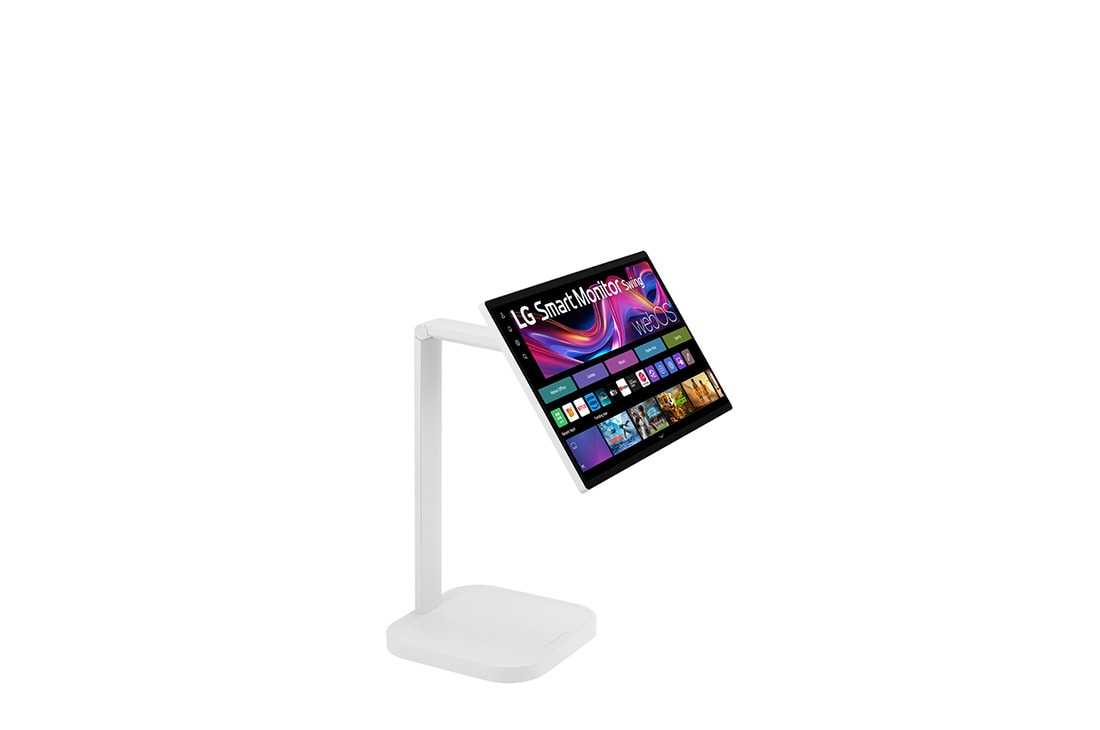
Yes, many touchscreen monitors come with stands included, but it varies depending on the model and brand. Typically, they are designed to be user-friendly right out of the box, with stands that allow for easy adjustments. Some models include adjustable or ergonomic stands, while others may require additional purchases for stands.
In short, most touchscreen monitors do come with stands, making setup quick and hassle-free. However, for specialized or more advanced models, you might find that stands are sold separately or need to be customized. It’s always best to check the product details before purchasing to ensure the monitor includes a stand that suits your needs.
Touchscreen monitors have become increasingly popular for both work and entertainment, offering an intuitive way to interact with digital content. If you’re contemplating getting one, you might wonder whether you’ll need to buy a separate stand or if it’s included with the monitor. The good news is that many touchscreen monitors are sold with stands that support various viewing angles and ergonomic positions, making them ready for immediate use. On the other hand, some high-end or ultra-thin models might require you to purchase a stand separately or use a compatible mounting solution. Understanding what’s included can save you time and money, ensuring your setup is comfortable and functional right from the start.

Do Touchscreen Monitors Come with Stands?
Many people ask whether touchscreen monitors include a stand in their package. The answer varies depending on the model and brand, but generally, most touchscreen monitors do come with stands. This feature is important because it helps users set up their screens quickly and comfortably without needing extra accessories.
Are Stands Included with All Touchscreen Monitors?
Not every touchscreen monitor includes a stand. While some models come with a built-in or attached stand, others require you to purchase a stand separately. Always check the product details before buying to see if a stand is included.
Why Do Some Touchscreen Monitors Lack Stands?
Manufacturers sometimes exclude stands from the package to reduce costs or offer more flexible options. This approach allows consumers to choose a stand that fits their specific needs, such as adjustable or fixed positions.
Types of Stands That Come with Touchscreen Monitors
The type of stand included helps determine how you can use and position the monitor. Some common stand types are built-in, tiltable, height-adjustable, or VESA-compatible.
Built-In Stands
Many touchscreen monitors feature integrated stands that offer basic tilt adjustments. These stands are popular because they are simple and quick to set up. They often provide a stable base for everyday use.
Detachable or Adjustable Stands
More advanced models may include stands that are adjustable in height, tilt, or rotation. These provide a more customizable experience and can improve ergonomics for long-term use. Some monitors come with stands that are detachable, allowing you to add third-party mounts.
VESA-Compatible Stands
VESA compatibility allows you to attach the monitor to third-party mounts or arms. Monitors with VESA mounting options often do not come with stands but give users the flexibility to choose their preferred setup.
Advantages of Monitors with Included Stands
Having a stand included offers several benefits for users. It simplifies the setup process, saves money, and ensures you have a stable platform for your touchscreen device.
Easy Setup and Immediate Use
With the stand included, you can set up your touchscreen monitor right out of the box. This is especially helpful for those who want a quick and straightforward setup.
Cost Savings
Purchasing a monitor with an included stand can save money compared to buying a separate stand or mount. It offers good value, especially for home and office use.
Enhanced Stability and Ergonomics
A well-designed stand provides stability and allows you to position the monitor comfortably. Adjustable options can reduce neck and eye strain during extended use.
Considerations When Choosing a Touchscreen Monitor with a Stand
Not all stands are created equal. When selecting a monitor, consider the stand’s adjustability, compatibility, and build quality. These factors influence how well the monitor fits your workspace and usage needs.
Adjustability Features
Look for stands that offer tilt, height, swivel, or rotation adjustments. These features improve ergonomics and make it easier to find a comfortable viewing position.
Compatibility and Mounting Options
If you prefer a custom or more flexible setup, ensure the monitor supports VESA mounting. This gives you the option to use a wall mount or alternative stand.
Build Quality and Stability
The stand should be sturdy and stable to prevent wobbling or accidental tipping. A high-quality stand provides peace of mind and durability.
Top Features to Look for in Touchscreen Monitors with Stands
While focusing on whether a stand is included, consider additional features that may enhance your experience. These include screen size, resolution, touch sensitivity, and connectivity options.
Screen Size and Resolution
A larger screen with high resolution improves visual clarity and multitasking. For example, a 27-inch monitor with 4K resolution offers sharp and detailed images.
Touch Sensitivity and Response
Responsive touch capabilities make interactions seamless. Look for monitors with multi-touch support and high accuracy for better usability.
Connectivity Options
Ensure the monitor has sufficient ports such as HDMI, DisplayPort, USB-C, and USB hubs. These features facilitate easy connection to other devices.
Additional Accessories for Touchscreen Monitors
Besides the stand, you might consider accessories to enhance your touchscreen experience. These include screen protectors, styluses, or anti-glare filters.
Styluses and Touch Pens
Many touchscreens work well with styluses, which improve precision for drawing or detailed tasks. Choose a compatible stylus if your work involves fine control.
Screen Protectors and Anti-Glare Films
Protection and glare reduction options help maintain display quality and reduce eye strain. These accessories are beneficial for long-term usage.
Summary
Most touchscreen monitors do come with stands, especially those designed for desktop use. The type and quality of the stand vary, but they all aim to provide ease of use and comfortable viewing angles. Always verify the specific model details to ensure your chosen monitor includes the stand features you need. Remember to consider adjustability, compatibility, and build quality when selecting your touchscreen monitor setup.
Amazon Back To School Favorite Find💥Portable Touch Screen Monitor
Frequently Asked Questions
Are stands included with all touchscreen monitors upon purchase?
Most touchscreen monitors come with a stand included in the package, making setup easy. However, some models, especially those designed for commercial or specialized use, may require you to purchase a stand separately. Always check the product specifications before buying to confirm whether a stand is included.
Can I replace the stand that comes with my touchscreen monitor?
Yes, many touchscreen monitors feature VESA compatibility, allowing you to use third-party or custom stands and mounts. If you prefer a different setup or need a more ergonomic solution, you can replace the original stand with a compatible one that suits your workspace.
What types of stands are typically included with touchscreen monitors?
The stands that come with touchscreen monitors generally include adjustable, tilt, or固定 options. Some models feature ergonomic designs with height adjustment, swivel, and pivot functionalities to enhance user comfort during extended use.
Are there options to get a touchscreen monitor without a stand for specific setups?
Yes, you can find touchscreen monitors sold without a stand, especially for commercial or industrial applications. These models often focus on compatibility with custom mounting solutions or multi-monitor setups where stands are unnecessary or replaced by wall mounts or other fixtures.
How does the stand impact the overall usability of a touchscreen monitor?
The stand plays a significant role in setting the monitor at an optimal viewing angle and height, reducing strain during prolonged use. A well-designed stand enhances usability by providing flexibility in positioning, which can improve comfort and productivity.
Final Thoughts
Touchscreen monitors often come with stands, making setup quick and easy. Many models include adjustable stands that provide flexible viewing angles. This eliminates the need to purchase separate mounts or supports.
In conclusion, do touchscreen monitors come with stands? Yes, they typically do, ensuring users can start using them right away without additional accessories.



